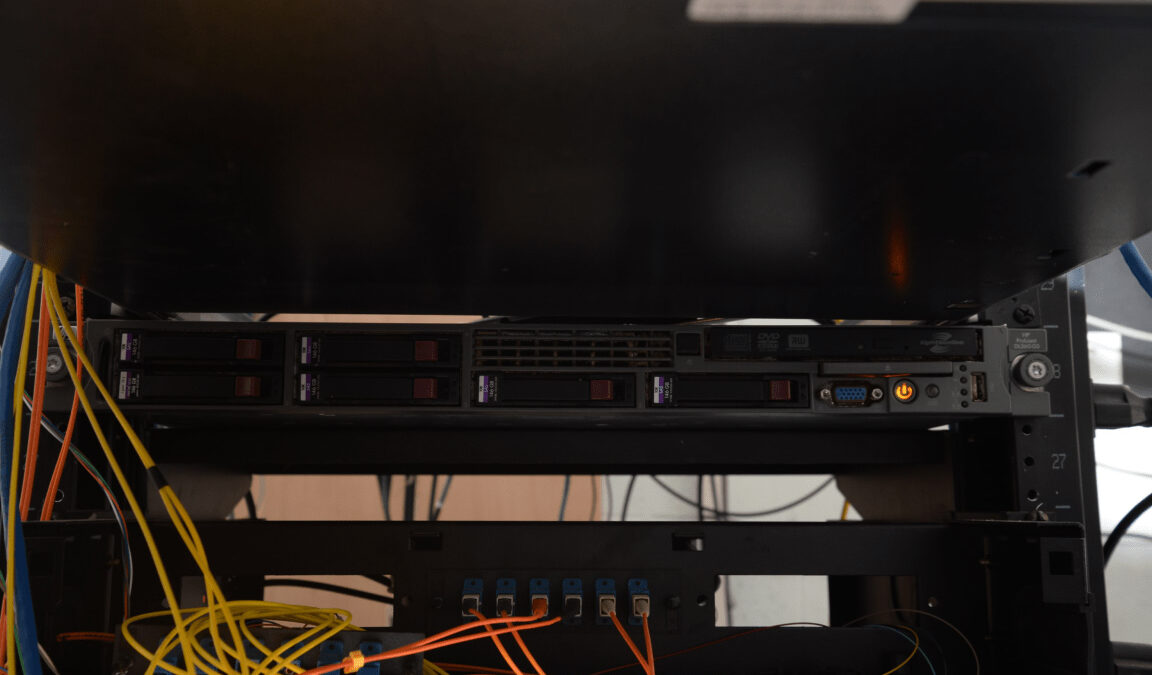
Here’s a sentence that would have sounded absurd two years ago: Meta, one of the four companies racing hardest to build frontier AI, is in talks to become a landlord for its rival Anthropic. According to reporting from the New York Times, Meta is negotiating a deal worth up to $10 billion over two years to lease Anthropic — the maker of Claude — access to its own data center capacity. The companies compete directly for AI talent, enterprise customers, and mindshare. Now one of them might be paying the other’s power bill.
Wait, why would competitors do this?
The talks reportedly began in June 2026, and the proposal came from Anthropic’s side, not Meta’s — which tells you something about how tight the compute market has gotten. Anthropic needs GPU capacity faster than it can build or lease it from traditional cloud providers, and it’s not alone: it already struck a parallel deal earlier this year with Elon Musk’s SpaceX for access to GPU clusters, an equally strange pairing when you think about it.
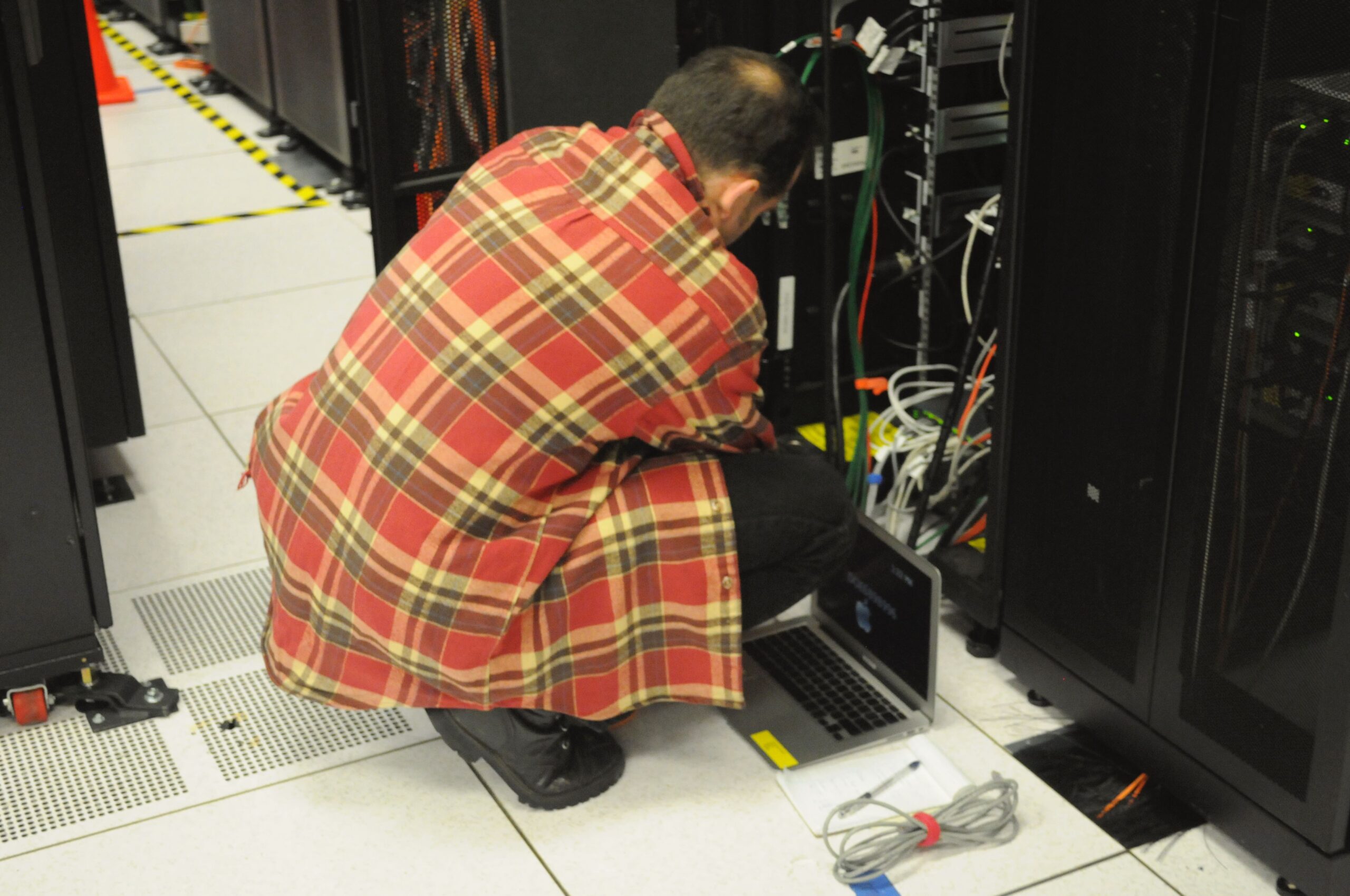
Meta, meanwhile, is sitting on an enormous and growing pile of AI infrastructure — projected 2026 capital expenditure in the $125–145 billion range, most of it hardware and data centers — that it isn’t using at full capacity around the clock. Internally, the effort to monetize that spare capacity reportedly has a name: “Meta Compute.” If the deal goes through, Anthropic would make structured monthly payments over roughly two years, with an early-exit option on both sides.
The interesting tangent: hyperscalers are becoming landlords
This isn’t really a story about Meta and Anthropic specifically — it’s a preview of where the entire AI industry is heading. Building a data center takes years and billions of dollars, and demand for AI compute has outpaced even the most aggressive build-out schedules from Microsoft, Google, Amazon, and Meta combined. That mismatch creates an opening: whoever has spare capacity, even temporarily, can rent it out at a premium to whoever needs it most urgently, regardless of whether they’re a “competitor” in the traditional sense.
We’re already seeing versions of this play out elsewhere. Anthropic’s Google/Broadcom compute partnership and its SpaceX GPU access are both examples of the same underlying pressure — AI labs increasingly buying capacity wherever it exists rather than exclusively from a chosen cloud partner. The old assumption that you pick one cloud provider and stay loyal is breaking down under the sheer scale of what training and running frontier models requires.
What this means for Anthropic’s IPO math
The timing isn’t a coincidence. Anthropic is reportedly preparing to file for an IPO as early as October 2026, and predictable, locked-in compute costs make a business dramatically easier to value for public investors. A structured two-year lease with defined monthly payments is exactly the kind of arrangement that turns “we might run out of GPUs” into a line item a Wall Street analyst can model. Anthropic’s run-rate revenue has already surpassed $30 billion, up from roughly $9 billion at the end of 2025 — but revenue growth means nothing to investors if the compute underneath it is unpredictable or scarce.
What this means for Meta
For Meta, the calculus is different but just as pragmatic. The company has taken heat from investors over the sheer size of its AI capex without an obviously proportional return in its core ad business. Turning excess data center capacity into a billion-dollar-a-year revenue stream — from a company Meta doesn’t have to build, market, or compete against for enterprise customers directly in that transaction — is a relatively low-risk way to put a number next to all that spending. It’s the AI-era equivalent of a mall developer renting out a food court stall.
The part that should give you pause
Here’s the surprising reveal buried in this story: the fact that Anthropic needs to go to a direct competitor for compute at all is a signal about just how constrained the GPU and data center supply chain really is right now. We’ve covered how chip stocks fell into a bear market even as physical component shortages keep pushing prices up — the two aren’t contradictory. Investor sentiment about AI spending can sour even while the underlying hardware remains scarce and expensive. Deals like this one are the industry quietly admitting that no single company, not even Meta, can build data centers fast enough to keep up with demand alone.
Does this actually change anything for Claude or Meta AI users?
Not directly, and not immediately. Renting data center capacity doesn’t change which company owns or trains which model — Anthropic still builds Claude, Meta still builds its own Llama-based systems, and neither is getting a peek at the other’s training data or model weights as part of this. What it could change, indirectly, is reliability and pricing. More predictable compute supply tends to mean fewer capacity-driven outages and rate limits during high-demand periods, which Claude users have occasionally run into during major model launches. It could also, in theory, help Anthropic keep API pricing more stable if compute costs stop being the wildcard they’ve been for the past two years.
The bigger shift is structural rather than visible: data centers are quietly becoming the oil pipelines of the AI economy — nobody buying gasoline cares whose pipeline it traveled through, and increasingly, nobody using an AI chatbot will know or care whose servers actually ran the query. The compute layer and the model layer are decoupling, the same way the airline you fly and the jet engine manufacturer that built the plane are two different business relationships you never think about as a passenger.
Nothing is signed yet
It’s worth being clear that this deal is still in early, confidential talks — nothing has been finalized, and either side could walk away. But the fact that the conversation is happening at all, between two companies that are supposed to be racing each other to the same finish line, says more about the state of AI infrastructure in 2026 than almost any product announcement could. We’ve tracked Anthropic’s other big infrastructure moves too, including its $1.5 billion bet with Blackstone on AI implementation — a different kind of infrastructure play, but part of the same pattern of an AI lab spending aggressively on the physical and financial scaffolding behind its models, not just the models themselves.
Whether or not this specific $10 billion deal closes, the underlying dynamic isn’t going away: as long as demand for AI compute keeps outrunning the industry’s ability to build data centers, expect more of these odd-couple partnerships between companies that are, on paper, supposed to be enemies.
Deixe um comentário