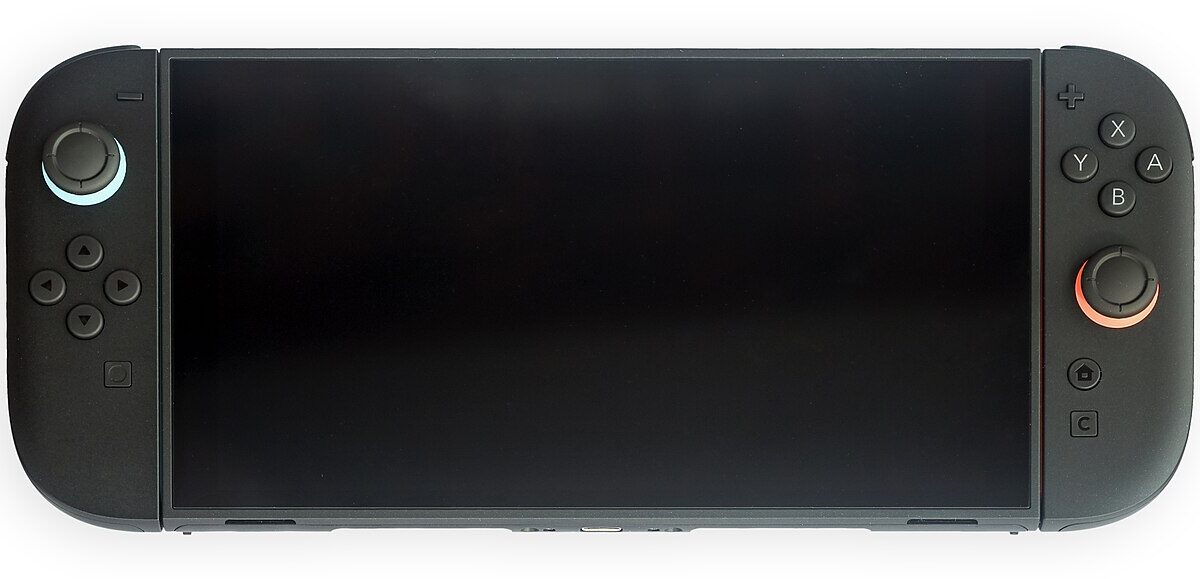
Here’s a sentence you don’t get to write about game consoles very often: Nintendo is voluntarily making the Switch 2 easier to fix, more than a year before any law forces its hand. That’s not how this usually goes.
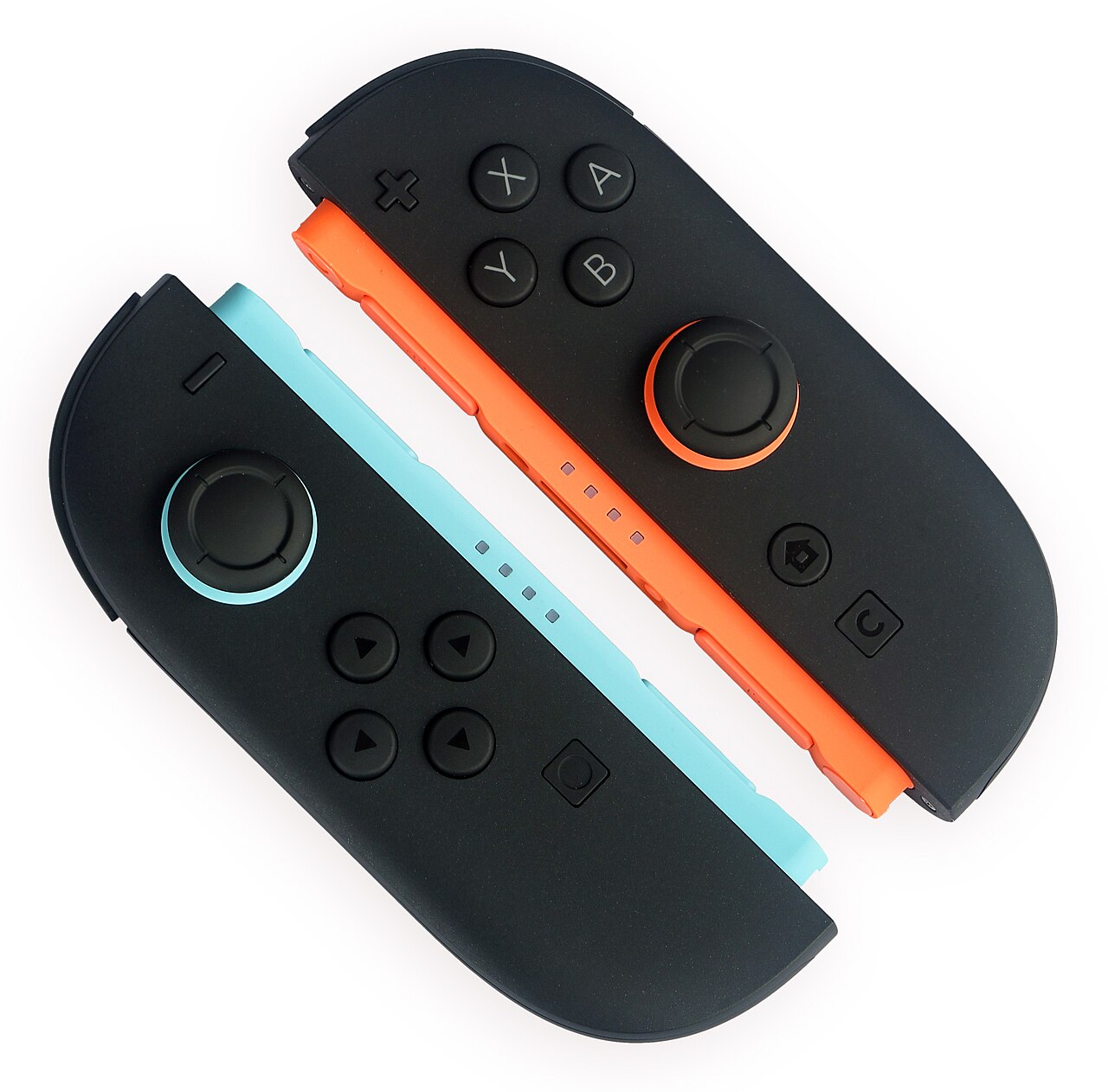
Starting this summer, Joy-Con 2 controllers (plus the Pro Controller, N64, and GameCube controllers) get a revision with a user-replaceable battery. The Switch 2 console itself follows in autumn 2026. Nintendo says there’s no functional difference between the old and new units — swap the battery, keep playing, no asterisks. It’s rolling out across 30-plus European countries plus Saudi Arabia, Oman, the UAE, and South Africa.
Wait — Isn’t This Already the Law?
Not yet, and that’s the interesting part. The EU’s Batteries Regulation (2023/1542) requires user-replaceable batteries in covered devices starting February 18, 2027. Most of the coverage around that rule has been about phones and tablets — it’s genuinely unclear from current reporting whether handheld game consoles are even squarely in scope. Nintendo is making the change in 2026, ahead of a deadline that might not have applied to it at all. iFixit — which has spent two decades yelling at manufacturers about glued-in batteries — points to the Switch 2 and the Kindle as evidence that the regulatory pressure is working even on companies that could probably still find a loophole.
The Catch Nobody’s Advertising
Repairability isn’t free, physically speaking. The revised battery holds slightly less charge — 5172mAh versus the original — and the console itself gets about 10 grams heavier to accommodate a housing that opens without cracking. Nintendo isn’t hiding this, but it’s also not the headline. It’s the classic trade-off of designing for serviceability instead of pure density: you give up a sliver of battery life and add a little weight so the thing can be opened with a screwdriver instead of a heat gun and a prayer.
That tension is exactly why most manufacturers don’t do this unless they’re forced to. A sealed, glued unibody is lighter, thinner, and marginally more efficient — everything a spec sheet rewards. A serviceable one is a worse spec sheet and a better decade-long ownership experience. Nintendo picked the second option here, in a market where nobody was demanding it yet.
The Part That’ll Annoy You
If you’re reading this from outside Europe, the Middle East, or South Africa: no, you’re not getting this — at least not yet, and not on any confirmed timeline. This is a regional revision, not a global one. It’s the same pattern we’ve seen with Nintendo’s other region-specific moves this year, where pricing and policy diverge sharply depending on which market you’re standing in. Whether US units eventually get the same battery redesign is genuinely unannounced — Nintendo hasn’t said no, but it also hasn’t said yes.
The broader context makes this land differently than a one-off PR gesture. The EU’s separate Right to Repair Directive takes effect July 31, 2026, adding pressure on manufacturers across categories to offer repair parts, tools, and manuals — not just for batteries. Nintendo’s timing lines up suspiciously well with a moment when “easy to repair” is becoming a real competitive and regulatory signal, not just an enthusiast talking point from the iFixit crowd.
Interesting Tangent: Nintendo Is Still Making N64 and GameCube Controllers in 2026
Buried in the same announcement is a detail that’s easy to skip past: the replaceable-battery revision also covers the N64 and GameCube-style controllers Nintendo sells as Switch Online peripherals. That means in 2026, Nintendo is actively manufacturing and revising controllers modeled on hardware from 1996 and 2001 — not as collector’s reissues, but as current-catalog accessories getting real engineering updates. Sony isn’t revising DualShock 2 controllers. Microsoft isn’t quietly upgrading original Xbox pads. Nintendo’s retro-controller program has quietly become permanent infrastructure rather than a nostalgia stunt, and this battery change is proof someone on the hardware team is still actively maintaining it, two console generations later.
The Kindle Comparison Is More Telling Than It Sounds
iFixit, which has spent roughly two decades publicly grading manufacturers on repairability, specifically pairs the Switch 2 battery revision with Amazon’s Kindle in its commentary — two companies not historically known for prioritizing user repairs, both making the same kind of change around the same regulatory window. That’s the actual story here: not that Nintendo had a change of heart about consumer rights, but that a piece of EU paperwork aimed mostly at smartphones created enough uncertainty and reputational risk that companies outside its clear scope decided compliance-by-default was safer than waiting to find out. Regulation doesn’t have to name your product category to change how you design it.
Why Doesn’t Everyone Just Do This?
That’s the question worth sitting with. Sony and Microsoft haven’t announced equivalent battery-replacement programs for their handhelds or controllers. Most premium smartphones still ship with batteries that require professional disassembly. The honest answer is probably some mix of manufacturing cost, design complexity, and the fact that a battery that degrades in three years quietly nudges people toward buying a new device — which is a fine business model right up until a regulator or a viral teardown video makes it look bad.
Nintendo choosing to get ahead of that story, in a market where the console isn’t yet legally required to change, reads less like altruism and more like a company that watched how badly “right to repair” fights have gone for other electronics makers and decided to not be the next headline. Whether that instinct spreads to Xbox and PlayStation controllers is the thing to actually watch here — not whether Nintendo’s press release sounds nice.
If battery health and longevity is something you think about beyond just this one console, it’s worth reading how the same pressures are reshaping battery design and longevity expectations on the laptop side — the underlying economics are more similar than the two product categories let on.
There’s also a quieter number worth sitting with: a console battery typically loses meaningful capacity somewhere around 500 charge cycles, which for a heavily-used Switch works out to roughly two to three years of daily play. Under the old sealed design, a battery that degraded that far meant living with shorter play sessions or sending the console in for a paid repair. Under the new design, it’s a part swap — closer to how people already think about phone batteries than how they’ve ever thought about console batteries. That’s a bigger shift in expectations than the press release language (“no functional difference between units”) really lets on, and it’s the reason this is worth paying attention to even if you’ll never personally own a European Switch 2.
Deixe um comentário