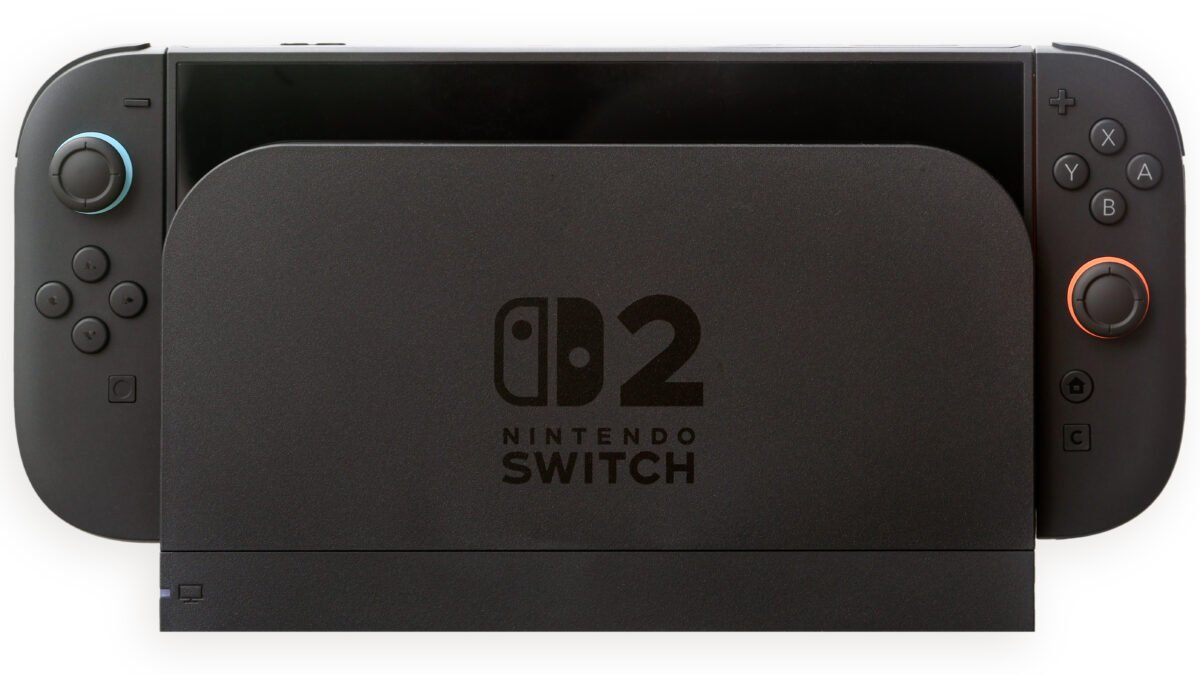
Every console maker has raised prices in 2026, so it’s tempting to file the whole story under “memory shortage, everyone’s affected, nothing to see here.” But that framing hides the actual story, which is in the gap: Nintendo raised the Switch 2’s price by $50. Sony raised the PS5 by $150. Microsoft raised the Xbox Series X by $150 too — on top of an already higher base price. Same shortage, same headlines about DRAM and NAND, wildly different math. Something other than “the market made us do it” is going on here, and it’s worth being skeptical of the simple explanation.
The Three Hikes, Side by Side
Line them up and the disparity is hard to miss:
- Nintendo Switch 2: $449.99 → $499.99, a $50 increase (about 11%), effective September 1, 2026
- Sony PlayStation 5 (disc): roughly $499 → $649.99, a $150 increase (about 30%), effective earlier this year
- Microsoft Xbox Series X (disc): $649.99 → $799.99, a $150 increase (about 23%), effective August 1, 2026
Nintendo’s president, Shuntaro Furukawa, pointed to memory component costs, currency exchange rates, and oil prices as drivers. Microsoft was blunter, stating that console storage and memory prices have increased by more than 2.5x. Both companies are describing the same underlying shortage we broke down in detail here — DRAM manufacturers have reportedly already sold out their 2027 production capacity, which is why nobody in the industry is treating this as a short-term blip. And yet Nintendo’s response to that shortage was a third of the size of its competitors’, proportionally.
It’s Not Just “Everyone Raised Prices”
The lazy read is that all three companies are passing the same cost increase on to consumers, and the differences are just rounding. That doesn’t hold up. If component costs were the whole story, you’d expect roughly comparable percentage increases across similarly specced machines facing the same global memory market. Instead, Nintendo’s increase is proportionally less than half of Xbox’s and barely a third of Sony’s. Either Nintendo is eating a much bigger margin hit than its rivals, or its hardware simply isn’t exposed to this shortage the same way — and the second explanation is the one that actually survives scrutiny.
Our coverage of the Xbox hike noted Microsoft explicitly blaming storage and memory costs “more than 2.5x” higher than before. Nintendo cited the same underlying pressures in vaguer terms, and stopped at less than half the dollar increase of its rivals.
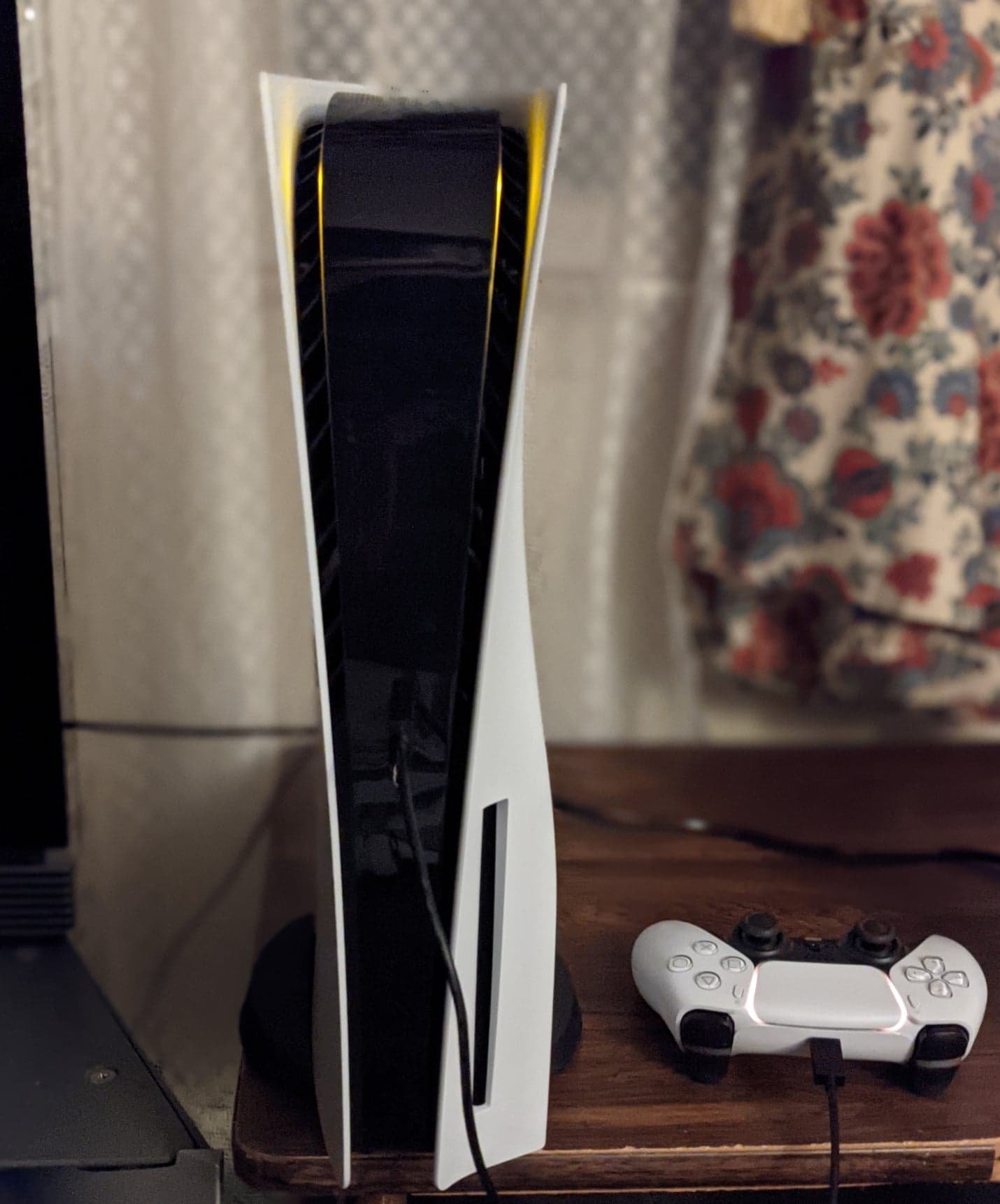
The PS5, whose price rose about 30% in 2026 — the steepest percentage jump of the three. Photo: Osh33m, CC BY-SA 4.0, via Wikimedia Commons.
Why Switch 2 Is Less Exposed to the Memory Crisis
Here’s the mechanical reason, and it’s not really about corporate generosity. The Switch 2 uses game cartridges rather than a large internal SSD as its primary storage-and-loading pipeline, and it runs at meaningfully lower RAM capacity and bandwidth than a PS5 or Series X, which are built to push native 4K rendering and fast SSD streaming for AAA titles. Less RAM per unit and a smaller fast-storage footprint means less exposure per console to a shortage that’s specifically hitting DRAM and NAND flash the hardest.
Timing likely matters too. Nintendo’s price move landed earlier in the year than Xbox’s August hike, which means at least some of Nintendo’s component contracts may have locked in pricing before the worst of the Q2 DRAM spike hit. Sony and Microsoft, negotiating supply later into a worsening shortage, had less room to avoid passing the full cost through.
It’s Not Just the Flagship Models Either
The pattern holds across each company’s cheaper tier, too. Microsoft’s 512GB Series S rose to $499.99 and the 1TB model to $599.99 in the same August round of hikes — both roughly matching what a base Switch 2 costs, despite the Series S being positioned as Xbox’s budget option. Sony’s cheaper PS5 configurations moved up in step with the flagship rather than staying flat to protect the entry price point. Nintendo didn’t touch its accessory or peripheral pricing at all in this round, which suggests the company drew a hard line specifically around the console itself rather than passing costs through its whole product line the way its competitors did across their tiers.
That detail matters because it undercuts a simpler theory some analysts floated: that Nintendo just has less brand pressure to protect an “affordable” price perception since the Switch 2 was never marketed as the budget option the way, say, the Series S was. If that were the whole story, you’d expect Nintendo’s accessories and lower tiers to move too. They didn’t.
The Counterargument: Is Nintendo Just Delaying the Inevitable?
It’s fair to push back here. A $50 increase framed as restraint could just as easily be framed as a company one price cycle behind its competitors, not one immune to the problem. If the shortage genuinely persists into 2027 and 2028 as manufacturers’ production commitments suggest, Nintendo’s lower current exposure doesn’t mean zero future exposure — it may just mean a second increase is still coming, on a longer fuse. Skepticism should cut both ways: don’t assume Nintendo cracked some secret, but also don’t assume this is purely altruism. It’s a company with a fundamentally lower-spec, lower-cost bill of materials catching a smaller version of the same wave everyone else is riding.
What It Means for Your Next Purchase
If you’re deciding between platforms right now, price stability shouldn’t be the deciding factor on its own — but it’s a legitimate data point. Nintendo’s hardware economics currently insulate it better from a shortage that, as we’ve covered, has no clear end before 2028. That doesn’t make the Switch 2 a “safer” purchase in some absolute sense, but it does mean the console most likely to see a third price hike this cycle is whichever one is most reliant on the exact chips in shortest supply — and right now, that’s not Nintendo.
The honest takeaway isn’t that Nintendo is the hero of this story and Sony and Microsoft are price-gouging villains. It’s that “the memory shortage made everyone raise prices” is a lazy summary of a situation where the actual specs inside each box determine how much that shortage actually costs. Read the percentage increases, not just the headline that a hike happened, and the story gets a lot more interesting than it first looks.
Leave a Reply