
Meta released Muse Glimmer on August 10 — a 30-billion-parameter AI model that runs entirely on a single consumer graphics card, no cloud subscription or data-center GPU cluster required. It’s open-weight, free under an Apache 2.0 license, and built specifically for AI “agent” tasks: planning, executing multi-step actions, and recovering from its own mistakes without a human re-prompting it at every turn.
That last part matters. Most AI agents today live behind an API call to a company’s servers. Muse Glimmer is Meta’s bet that agentic AI doesn’t need to.
What Muse Glimmer Actually Does
Muse Glimmer is a distilled version of Meta’s larger, closed Muse Spark model — the frontier system stays in-house, but a smaller, purpose-built copy ships to anyone who wants it. Key specs:
- 30 billion parameters, dense (not a mixture-of-experts model)
- Fits on a 24GB consumer GPU (think a high-end gaming card, not a data-center accelerator) using 4-bit quantization
- Uses “DFlash” speculative decoding to keep responses fast despite running locally
- Released under Apache 2.0 — free to use, modify, and deploy commercially
- Purpose-built for agentic workflows, not general chat — it’s tuned to plan tasks, take actions, and self-correct rather than just answer questions
Why Meta Is Doing This
Two things are happening at once in AI right now: models keep getting more capable, and the hardware needed to run the biggest ones keeps getting more expensive and scarce. Muse Glimmer is Meta’s answer to the second problem — a model good enough to be useful, small enough that a single GPU you might already own can run it.
It’s also a talent and ecosystem play. Every open-weight release Meta ships pulls developers, researchers, and hobbyists into building on Meta’s stack instead of a rival’s closed API. The agentic focus specifically targets the space where OpenAI, Anthropic, and Google have mostly kept their most capable agent tools cloud-only and metered by usage.
What This Means for You
If you’re not fine-tuning open-weight models yourself, Muse Glimmer won’t change your day-to-day tools directly — you won’t find it bolted into a consumer app tomorrow. But it matters for two reasons. First, it lowers the bar for smaller companies and independent developers to build agent-based tools (browser automation, coding assistants, research bots) without paying per-token API fees or shipping user data to a third party. Second, it’s a signal of where the open-source AI race is heading: not just bigger open models, but ones deliberately shrunk to run on hardware people already own.
If you’re curious how this stacks up against the low-cost cloud alternatives from Chinese labs, we broke down that price-vs-risk tradeoff here — Muse Glimmer sidesteps the “which cloud API” question entirely by not needing one. And if custom silicon for running models like this is your interest, Anthropic’s move to build its own AI chip team is part of the same broader shift toward controlling more of the AI stack in-house.
How It Compares to Other Open Models
Meta isn’t the only company shipping open-weight models sized to run outside a data center — Chinese labs like DeepSeek and Alibaba’s Qwen team have released dense and mixture-of-experts models in similar parameter ranges over the past year, and Meta’s own Llama line has long served as the default open baseline. What sets Muse Glimmer apart is the explicit agentic focus: it’s tuned for planning and executing multi-step tasks rather than optimized purely for chat benchmarks or raw reasoning scores. A 30B dense model is also a deliberate middle ground — small enough for a single 24GB card, but well above the 7B–13B range where most “runs on your laptop” open models have historically lived.
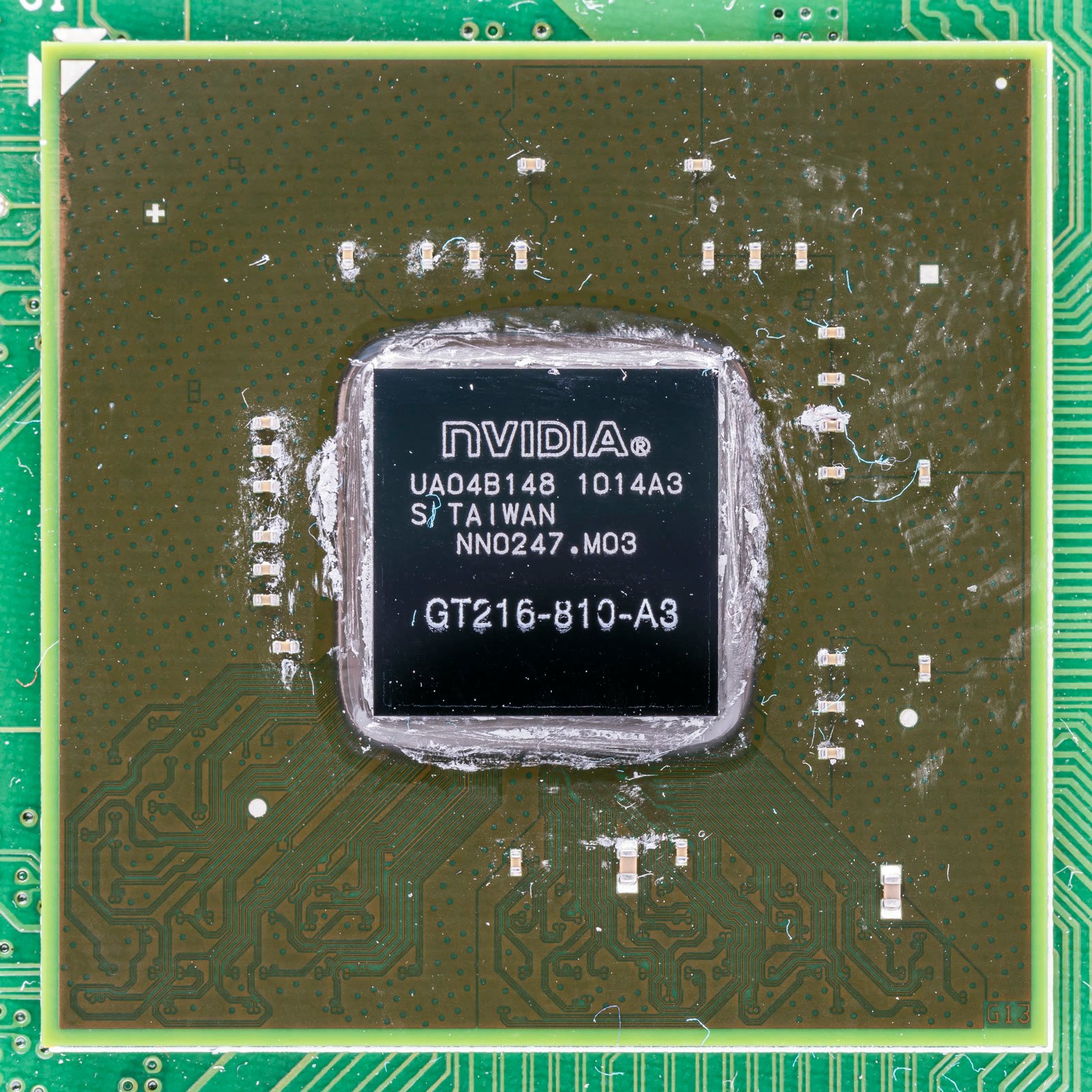
The catch with any locally-run model is hardware. A 24GB GPU still means something like an RTX 4090 or a workstation card — not the GPU in a typical off-the-shelf laptop. Meta’s framing of “a single consumer GPU” is accurate but assumes a fairly high-end one.
What’s Next
Weights and documentation are already live for developers to download and self-host from Meta’s usual open-model channels. Expect the typical next wave for a release like this: community fine-tunes tailored to specific agent tasks (coding, browser automation, research), independent benchmark comparisons against similarly-sized open models, and a handful of consumer-facing tools built on top of it within weeks. Meta hasn’t said whether a larger or smaller sibling model is coming, but its pattern with prior open releases — shipping a family of sizes rather than a single checkpoint — suggests more variants are likely before the end of the year.
Source: Meta Superintelligence Labs release notes; reporting from MarkTechPost, Ghacks, and Forbes on the August 10, 2026 launch.
Leave a Reply