
The 2026 Steam Summer Sale is over, and once again, the headline everyone repeated was the discount depth — up to 90% off, four thousand-plus titles, the usual fireworks. Nobody’s talking about what people actually bought. That’s not an accident, and honestly, it’s the more interesting story.
Here’s the position: discount percentages are marketing theater. What matters — and what almost nobody covers — is the gap between what gamers wishlist and what they actually click “buy” on. That gap tells you more about the real state of PC gaming spending than any “90% off” banner ever will.
The Verified Numbers on the 2026 Steam Summer Sale (And the Suspicious Silence Around Them)
Here’s what we can actually confirm: the sale ran June 25 through July 9, 2026, covered more than 4,000 titles, and averaged roughly 45% off across the board — with steep cuts up to 90% concentrated on older, back-catalog games. That much is well-documented across outlets like PC Gamer and TechTimes.
Here’s what nobody has published: an actual “what sold” list. Not from Valve, not from SteamDB, not from any credible analytics outlet we could find. There’s exactly one site floating a GMV figure — something in the $900 million to $1 billion range — and it cites no primary source, blocked our attempts to verify its methodology, and reads like a content-mill recap dressed up as reporting. We’re not using that number, and you should be skeptical of anyone who does.
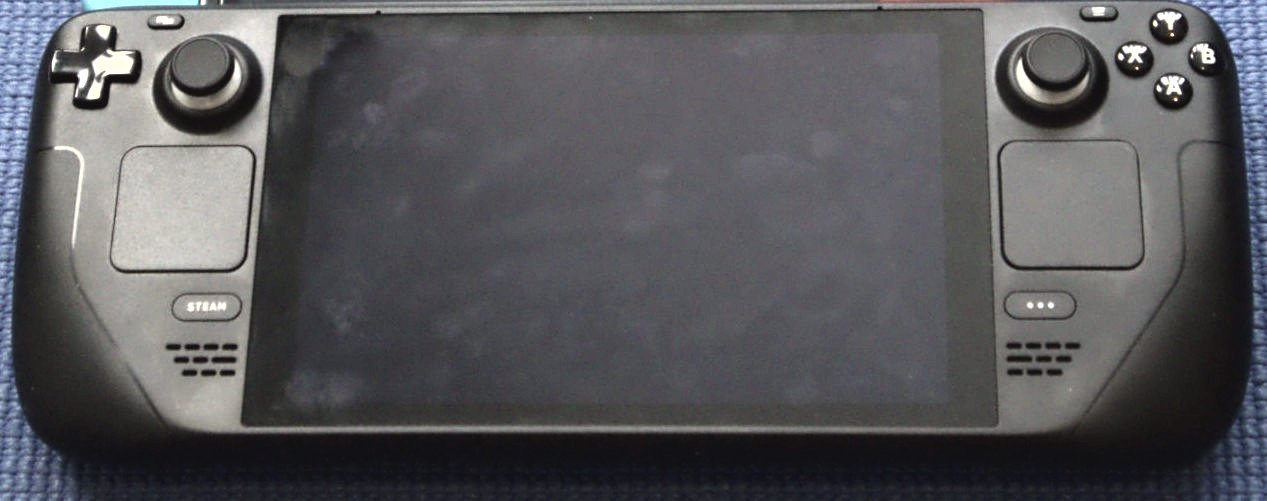
That silence is itself the point. Valve makes more money than almost any company in gaming and discloses almost none of it. The “biggest sale of the year” narrative runs entirely on vibes and screenshotted discount banners, because the one party with the actual purchase data has zero incentive to publish anything that might complicate the story.
The Real Pattern — Deep Cuts on Old Games, Modest Cuts on New Ones
What we can verify is a structural pattern, and it’s a useful one: games one to three years old routinely get discounted 80-95%, while AAA titles from late 2025 or early 2026 typically land in the 20-60% range during their first Summer Sale appearance. That’s not random — it’s Valve and publishers segmenting the catalog by purchase psychology. Deep discounts on old inventory are designed to catch impulse buys from people who never quite got around to a game. Modest discounts on recent releases are aimed at people who were already planning to buy, just waiting for a nudge.
Put those two behaviors side by side and you get a much more honest picture of “what sold” than any single sales chart could: the back-catalog moves on price alone, and the new releases move on intent that existed before the sale even started. The discount didn’t create the sale in that second case — it just captured demand that was already there.
The Wishlist-to-Purchase Gap — Why Huge Wishlists Don’t Convert Like Valve Wants You to Think
Steam wishlists get treated in gaming media as a leading indicator — “500,000 wishlists!” is a headline in itself. But conversion research across the industry has landed all over the map: some analysts cite figures as low as 5-10% industry-wide, others point to 10-25% in a launch week, still others claim 30-40% over a title’s first three months with spikes during sales. None of those numbers are specific to this sale, and the spread between them should tell you something on its own — nobody actually has a reliable, consistent answer, including the people whose job is to track it.
What that spread does confirm is the underlying behavior: a wishlist is an intention, not a commitment, and sales exist specifically to close that gap for a fraction of the list. The 90%-off banner isn’t converting new demand out of nowhere — it’s harvesting a small slice of intentions that were already sitting there, waiting for a price that finally felt low enough.
Devil’s Advocate — Maybe Deep Discounts Still Work, Just Not the Way Publishers Assume
To steelman the other side: this year’s sale did change its format in a way that matters. Discounted prices held for the entire two-week window instead of rotating through daily “flash” deals, which several outlets noted removes the old fear-of-missing-out mechanic that used to pressure impulse purchases. If Valve engineered that change on purpose, it suggests the company itself may agree that discount-chasing behavior isn’t healthy for the platform long-term — even if it’s good for a single sale’s optics.
It’s also fair to say deep discounts genuinely do move real units on back-catalog titles, even without a published sales chart to prove it — publishers keep running 90%-off promotions because they work well enough to repeat, not because of inertia. The honest conclusion isn’t “discounts don’t matter.” It’s that discounts matter most exactly where intent already existed, and matter far less as a standalone growth lever than the marketing implies.
Why Valve Can Afford to Stay Quiet
It’s worth sitting with why this data gap even exists. Steam isn’t a scrappy indie storefront that might struggle to track its own numbers — it’s the dominant PC storefront, the default install on most gaming rigs, sitting comfortably ahead of every competitor that’s tried to chip away at it (Epic Games Store, GOG, itch.io) for years now. A platform with that much market position doesn’t need a “biggest sale ever” press release to keep the lights on. The silence isn’t an oversight; it’s a company that has already won the distribution war choosing not to hand critics or competitors a data set to pick apart.
Compare that to how retail and streaming companies behave. Amazon publishes Prime Day topline numbers every year, partly because it wants the bragging rights and partly because investors expect it. Valve has no public shareholders demanding that transparency, and no real rival forcing its hand. So we get discount banners instead of dashboards, and everyone downstream — us included — is left inferring behavior from format changes and back-catalog pricing patterns instead of an actual report.
What This Means for Your Next Sale
If you want to actually spend your money well during the next Steam sale — Autumn or Winter — ignore the discount percentage as your primary filter. A 90%-off five-year-old game you were never going to play isn’t a deal; it’s clutter. Instead, work backward from your own wishlist and ask which titles you were already planning to buy at full price. Those are the ones worth grabbing the moment the discount appears, because you’re capturing real value, not manufactured urgency. If you’re building out a PC gaming setup around these sales rather than just buying games, our handheld gaming PC buying guide is worth a look — especially after Valve’s own hardware price increase made a lot of shoppers reconsider what “the Steam ecosystem” costs beyond just the games. And if you’ve been eyeing a bigger rig instead, we covered the same spending-pattern shift in our piece on why gamers are spending $5,000+ on “ultimate” builds — the discount-chasing instinct and the never-discount-anything instinct turn out to be two sides of the same story.
The discount percentage was never the story. What people actually clicked “buy” on — quietly, without a press release — is. Until Valve decides to publish that data, every “biggest sale ever” headline is a guess dressed up as a fact, and the smarter move is to stop treating the size of the discount as a proxy for how good the deal actually is.
Leave a Reply