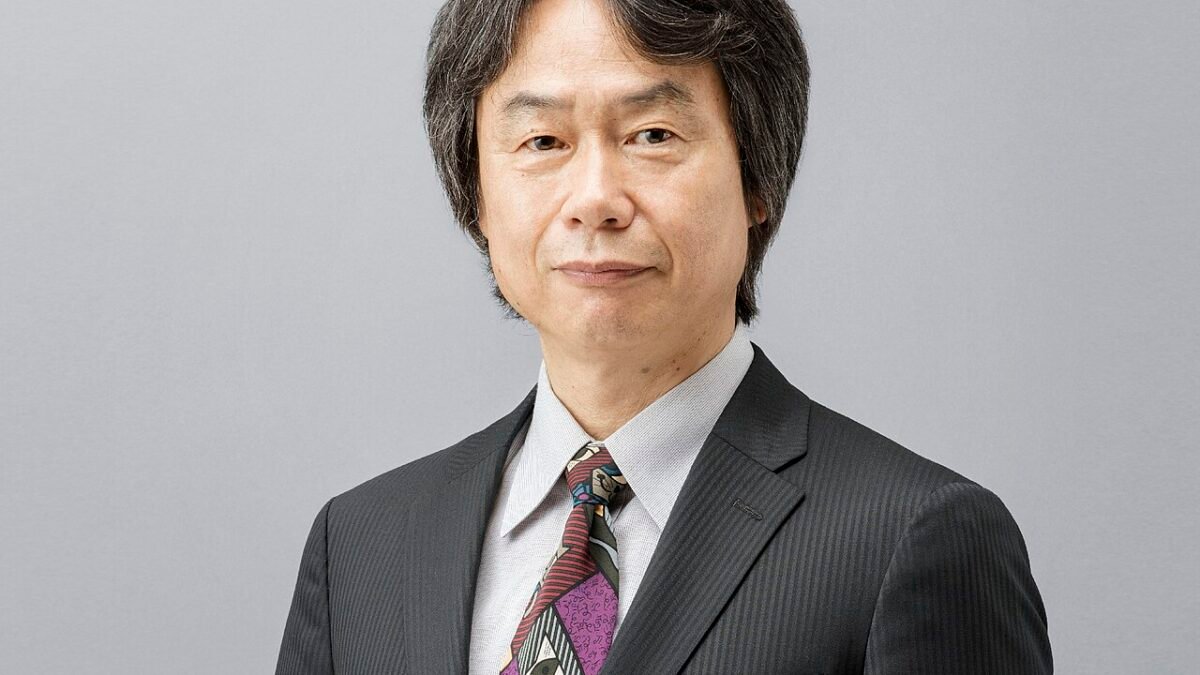
The man who helped make one of the least powerful consoles of its generation a runaway hit just said the quiet part out loud: specs don’t matter nearly as much as the industry pretends. Coming from Shigeru Miyamoto, that’s not spin — it’s a decade of receipts talking.
What Miyamoto Actually Said
In a recent interview with Japanese gaming outlet Famitsu, later translated and picked up by outlets including Gamereactor, Kotaku, and My Nintendo News, Miyamoto reflected on the original Switch’s surprisingly long run: “First of all, I was happy that the Switch lasted for 8 to 9 years. I think that customers are no longer just looking for specs. I think the ideal is that ‘if you buy the software, you can play it on the device you have at home.'”
He went further, pointing to smartphones as the model he actually admires — not for their power, but for being everywhere. His argument is that Nintendo’s edge isn’t a chip on a spec sheet; it’s owning one hardware architecture cleanly enough that the company can move fast and take creative risks a fragmented platform like mobile never could. Notably, he’s the only Nintendo executive quoted making this specific case — it reads as personal philosophy, not an official corporate strategy memo.
The Receipts: An Underpowered Console That Refused to Die
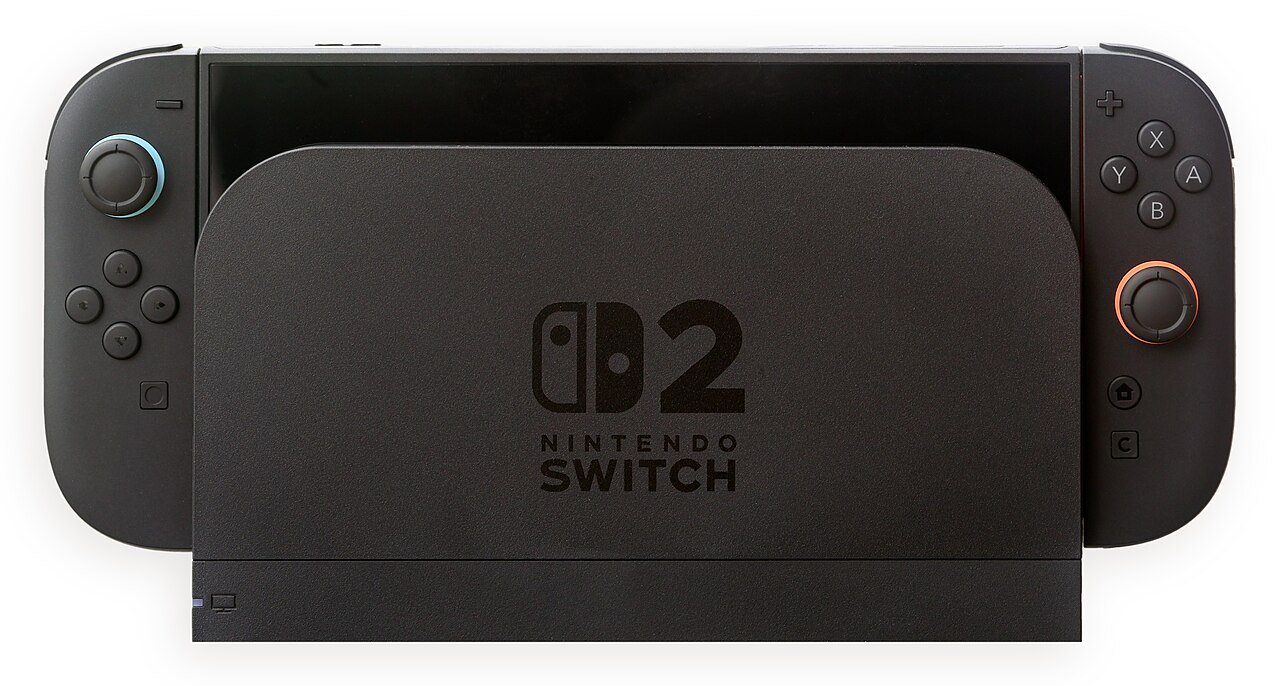
Here’s the part that’s hard to argue with. The original Nintendo Switch launched in 2017 with hardware that was already behind the PS4 and Xbox One — consoles that were themselves multiple years old. And yet it stayed on shelves and in active development for eight to nine years, outliving console generations that had it beaten on paper from day one. Raw teraflops did not decide that outcome. Mario Kart, Zelda, and Animal Crossing did.
It’s also worth remembering that Nintendo has tested the opposite bet before and lost. The GameCube shipped genuinely competitive hardware for its era and still finished dead last in that generation’s console race, behind the PS2 and original Xbox. More power didn’t save it. If anything, Nintendo’s own history argues that a strong spec sheet is neither necessary nor sufficient — what actually moves units is the software library and the price tag, in roughly that order.
Interesting Tangent: Nintendo Has Run This Play Before
If this sounds familiar, it should. The Wii — arguably the weakest console of its generation, technically — sold north of 101 million units, beating the PS3’s 87.4 million and the Xbox 360’s 85.7 million combined market share within its own era. It did it on a $250 price tag against a $600 PS3 launch price and a control scheme nobody else had. Nintendo didn’t win that generation by out-speccing Sony. It won by making Sony’s hardware advantage irrelevant to the people actually buying consoles.
Speaking of hardware gaps that mattered less than expected, we’ve covered how Switch 2 quietly outsold the PS5’s entire first year — a modern data point for the same argument, decades apart.
The Part That Complicates the Story
Here’s where it gets less tidy. Switch 2 itself has had real, well-documented hardware-limit problems — not vague ones. Elden Ring: Tarnished Edition was shown running as low as 15fps in handheld mode at Gamescom, a mess Digital Foundry traced to a CPU bottleneck rather than the GPU. We covered Elden Ring’s rocky 15fps performance disaster on Switch 2 in detail — FromSoftware ultimately patched it toward a stabilized 30-40fps ahead of its August 28 release, but the fact that it needed fixing at all undercuts a clean “specs never mattered” reading of Miyamoto’s comment. Sometimes they mattered enough to nearly break a AAA port.
And the irony gets sharper: leaks about the rumored Switch 3 describe a custom Nvidia chip targeting performance in the neighborhood of an RTX 3060 — genuinely serious silicon, not a philosophy statement. If Nintendo truly believed specs were irrelevant, it’s investing an awful lot of engineering effort in ones that aren’t. The more consistent read is probably that Nintendo wants enough power to stop apologizing for ports, while still marketing itself as the company that never needed to chase the number on the box.
What Reddit Actually Thinks
The reaction on r/NintendoSwitch skews more toward agreement than mockery, but not for the reason you’d expect. It’s less “gameplay over graphics, always” and more “we genuinely cannot afford a $1,000 console anymore.” One widely echoed sentiment, paraphrased from the thread: gaming may have to push hardware limits creatively again simply because most people aren’t willing to pay four figures for a box, regardless of what’s inside it. That’s economic fatigue wearing the costume of design philosophy — and it’s worth being honest about the difference.
Context worth sitting with: elsewhere in the industry, nobody’s actually abandoned the specs pitch. Sony is still marketing the PS5 Pro’s roughly 37% compute advantage over the Xbox Series X in 2026, even as outlets note the real-world difference is barely visible on a screen. Miyamoto’s comment isn’t describing the whole industry’s mood — it’s describing Nintendo’s bet that it doesn’t have to play that game.
So Is He Right?
Mostly, yes — with an asterisk. History backs him twice over: the Wii and the original Switch both won by making hardware specs a non-factor for the audience that actually buys consoles in the tens of millions, while the GameCube shows the reverse bet doesn’t automatically pay off either. But “specs don’t matter” is easier to say from a company that’s also quietly building a next console rumored to punch well above its predecessor’s weight. The real lesson isn’t that power is meaningless — it’s that Nintendo has figured out how to make “good enough” power invisible behind games people actually want to play, right up until a CPU bottleneck makes it visible again in a 15fps boss fight. If you’re curious how that next generation of hardware ambition is already showing up in ports, the wave of major RPG ports landing on Switch 2 is a good next read — it’s the flip side of this exact tension, and worth reading if you’ve wondered whether the Switch 2 can actually keep up with what’s being ported to it.
Frequently Asked Questions
Did Miyamoto say Nintendo will never build powerful hardware again?
No — his comments were about consumer priorities and Nintendo’s software-first philosophy, not a pledge to avoid stronger chips. Switch 3 leaks reportedly point the opposite direction, toward a significantly more powerful chip than Switch 2’s.
Was this an official Nintendo strategy announcement?
Not exactly. It came from a Famitsu interview with Miyamoto personally, without another Nintendo executive quoted alongside him — it reads as his own reflection rather than a formal corporate roadmap statement.
Does this mean specs don’t matter for any console?
Not universally — Sony and Microsoft are still actively marketing raw performance numbers for the PS5 Pro and Xbox Series X in 2026. It’s specifically Nintendo’s audience and business model where this pattern has repeatedly held up.
Leave a Reply