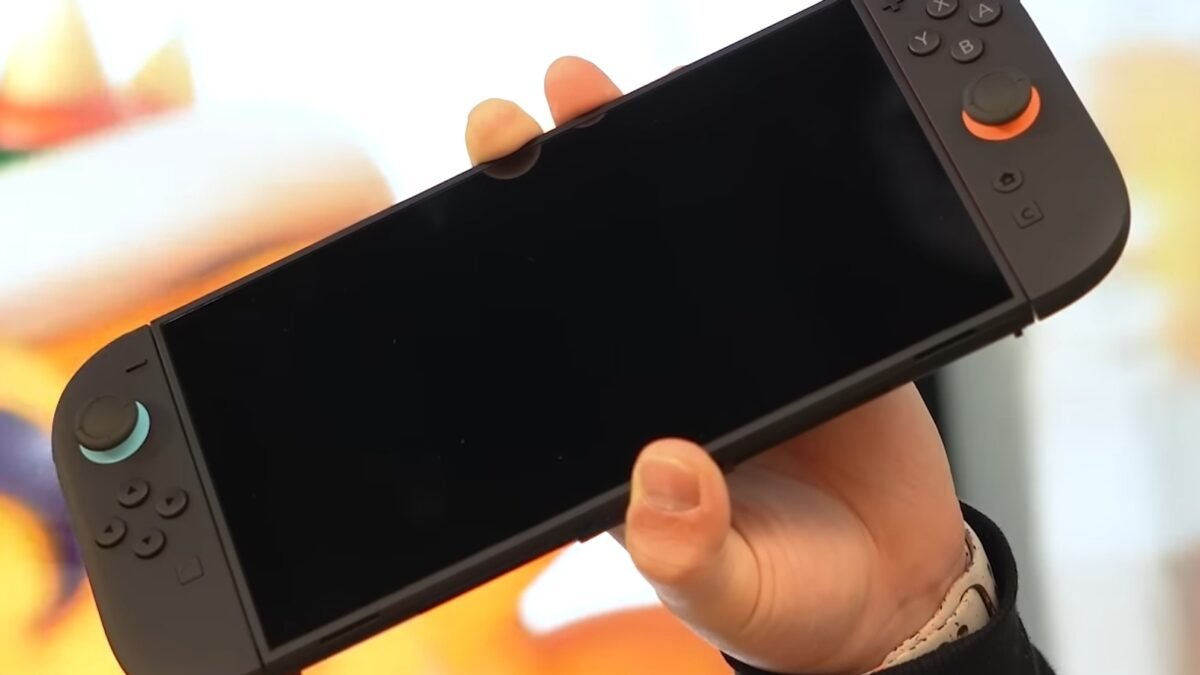
A year ago, the best-case scenario for Elden Ring on Switch 2 looked shaky. Attendees at Gamescom 2025 walked away from the demo booth describing a port that dropped to 15 frames per second in handheld mode — barely playable, let alone a fair representation of one of the biggest games of the decade. Twelve months later, FromSoftware is shipping it anyway, on August 28, 2026, with a launch trailer that looks nothing like that demo. Here’s what actually happened in between.
The Gamescom 2025 Demo That Worried Everyone
When Elden Ring’s Switch 2 port first went hands-on at Gamescom 2025, the reaction wasn’t subtle. Reports described frame rates collapsing to around 15fps in handheld mode, with the game failing to hold even its target 30fps during open-world traversal and boss fights — exactly the moments where a Soulslike game can least afford to stutter. For a franchise built on split-second dodge timing, a hitchy frame rate isn’t a cosmetic complaint; it’s the difference between landing a parry and eating a combo that costs you your runes.
The demo was bad enough that it became a talking point well beyond Elden Ring itself — a data point in the broader question of whether Switch 2 could actually handle ambitious third-party ports, or whether the console’s hybrid design (a handheld first, a home console second) would always force compromises publishers weren’t willing to make.
The Original Switch Never Stood a Chance
It’s worth remembering that Elden Ring never came to the original Nintendo Switch at all — not even a cloud-streaming version, the workaround Nintendo used for other demanding titles like Hitman 3 and Control. FromSoftware and Bandai Namco simply skipped that hardware generation entirely, which is part of why the Switch 2 port carried so much weight the moment it was announced. This wasn’t a game catching up on old hardware; it was the first real attempt to bring Elden Ring to a Nintendo console at all, on hardware that was supposed to finally be capable enough. A 15fps demo a year before launch threatened to repeat the same story with a new console instead.
What Actually Went Wrong
The instinct is to blame the GPU — Switch 2’s graphics hardware is, after all, the weakest link compared to a PS5 or Xbox Series X. But the real bottleneck traced back to the ARM-based CPU, not the graphics chip. Elden Ring’s open world leans heavily on CPU-side work — enemy AI, physics, streaming assets in and out as you ride Torrent across the Lands Between — and Switch 2’s CPU simply couldn’t keep pace with that workload at a stable frame rate, no matter how the GPU settings were tuned.
That’s a more interesting failure than “the hardware is too weak,” because it points to something specific and, as it turned out, fixable without a hardware revision.
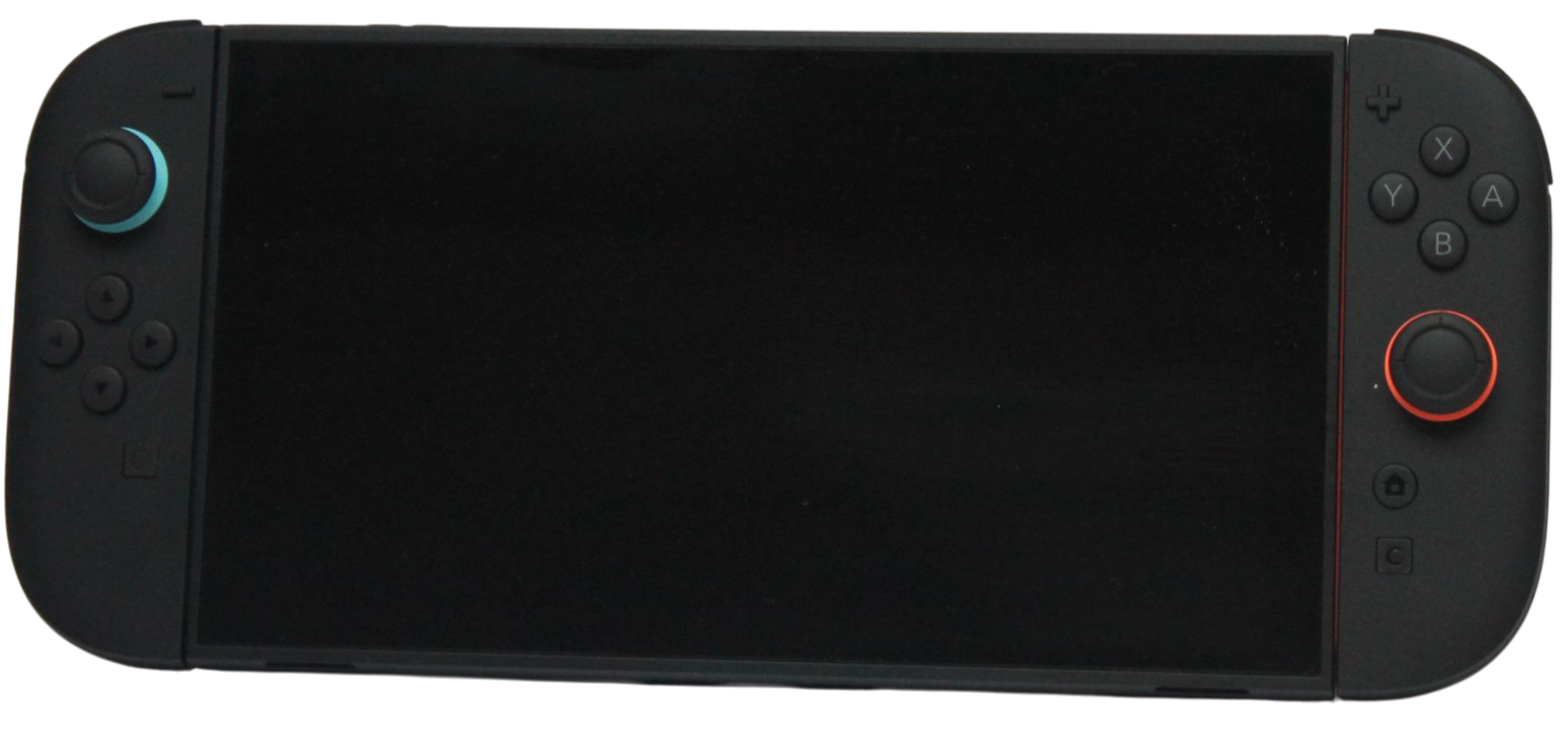
How FromSoftware Fixed It — Upscaling Does the Heavy Lifting
The fix leaned on a tool the original Nintendo Switch never had access to: DLSS-style upscaling. Instead of forcing the CPU and GPU to render the full target resolution natively, the game renders at a lower internal resolution and reconstructs a higher-quality output image on the way to the screen. That reconstruction step reduces the processing load without a proportional drop in visual sharpness — and critically, it doesn’t touch the CPU-bound systems that were actually causing the slowdown, it just buys the rest of the pipeline more headroom.
It’s a workaround, not a magic fix — no amount of upscaling rewrites how much CPU work an open-world boss fight requires. But paired with months of engine-level optimization on FromSoftware’s side, it was enough to turn things around. By the most recent public previews in March 2026, handheld mode was running in a 30–40fps range at a resolution close to native 1080p, and docked mode was holding a steadier 30fps at a higher output resolution — a turnaround detailed in RPG Site’s hands-on preview. That’s not a benchmark-chasing showcase — it’s a genuinely playable version of a notoriously demanding game, running on a handheld.
What You’re Actually Getting on August 28
The version launching August 28, 2026 is called the Tarnished Edition, officially confirmed on June 4, 2026. It bundles the base game with the Shadow of the Erdtree expansion, plus a new character class and a set of Torrent outfits exclusive to the Switch 2 release. Players on PS5, Xbox Series X|S, and PC aren’t shut out of the new content either — the same additions ship the same day as a paid add-on called the Tarnish Pack, so the Switch 2 version isn’t quietly becoming the definitive edition by default.
Why This Matters Beyond Elden Ring
The specific fix here — DLSS-style reconstruction covering for a CPU that can’t brute-force its way through a demanding open world — isn’t a one-off trick. It’s a preview of the playbook every ambitious third-party Switch 2 port is going to lean on going forward, because the underlying hardware trade-off (handheld power budget vs. desktop-class CPU performance) isn’t unique to Elden Ring. We’ve already covered why GTA 6 still isn’t getting a Switch 2 port, and the honest answer traces back to the same category of problem — some games are going to need this exact kind of software workaround before they’re viable on the hardware, and some won’t clear the bar even with it.
Elden Ring’s turnaround also lands as part of a bigger wave of RPG ports landing on Switch 2 this year, though its story is a little different from the rest of that group — this wasn’t a straightforward port of a lighter game, it was one of the most technically demanding releases of the last five years, on hardware that visibly struggled with it in public a year ago.
Closing Thought
A 15fps demo a year out from launch would sink most games’ credibility. Elden Ring’s Switch 2 version surviving that and landing at a stable 30fps says less about this one port and more about how much runway software optimization still has on relatively young hardware — worth remembering the next time a rough early demo has you writing off a port for good. If Switch 2’s blockbuster first year is any indication, publishers have every incentive to keep doing the hard work to get their biggest games running on it.
Leave a Reply