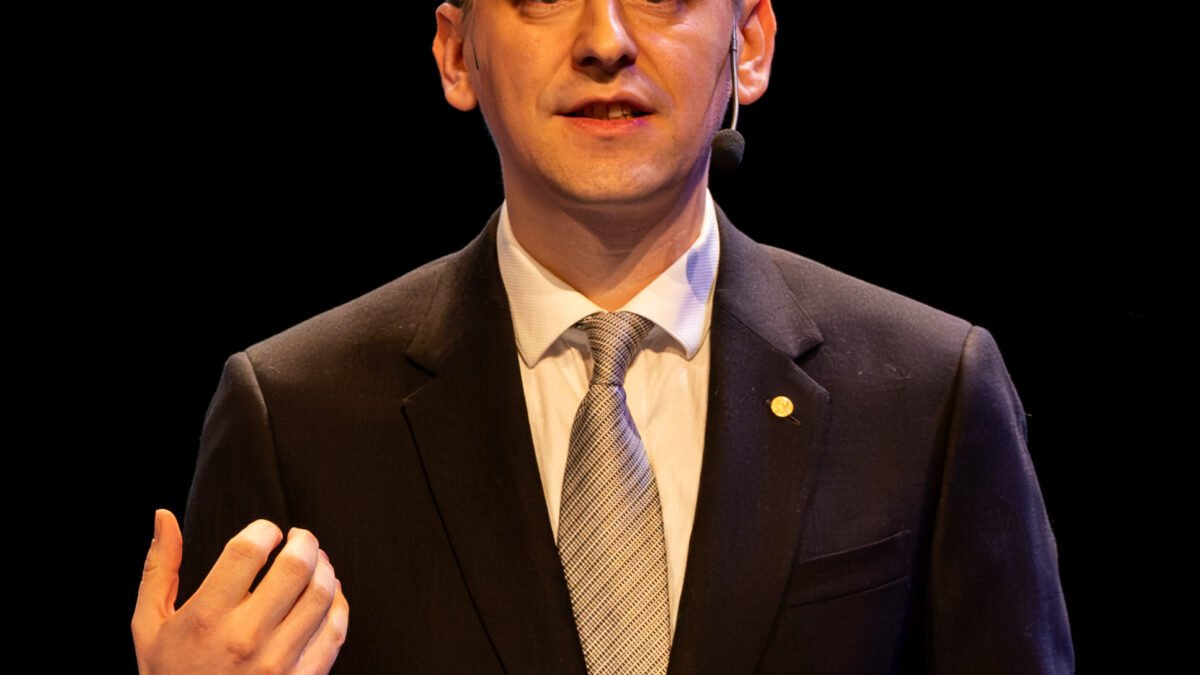
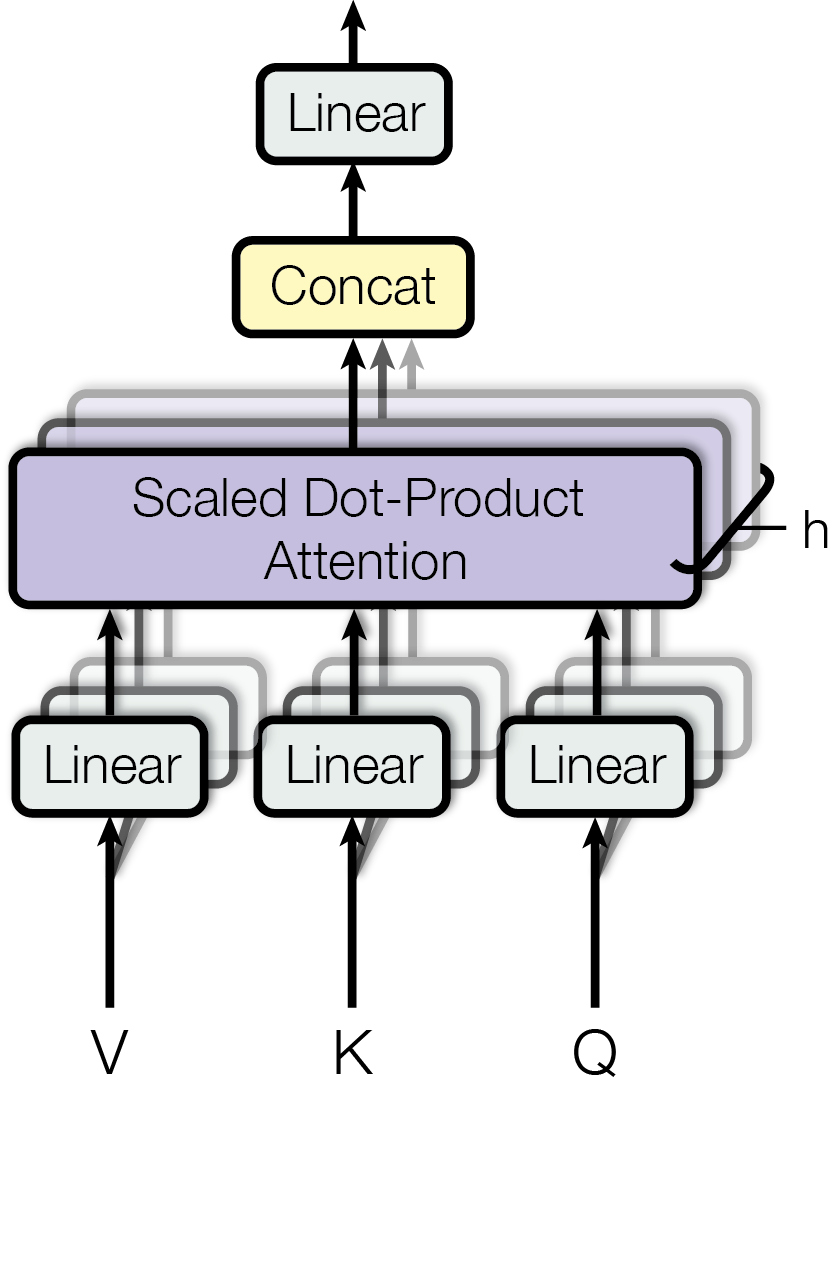
In one single week this June, Google lost two of the people most responsible for its entire AI program. First, Gemini co-lead Noam Shazeer — the engineer who co-wrote “Attention Is All You Need,” the 2017 paper that basically invented the architecture every modern AI model runs on — announced he was leaving for OpenAI. A day earlier, John Jumper, who won a Nobel Prize for AlphaFold, walked out the door to Anthropic after nearly nine years at DeepMind.
A Nobel laureate and a co-inventor of the transformer, gone in seven days. And that’s not even the wildest part. Right now, the top handful of AI labs are locked in a hiring war so aggressive that researchers are treated less like employees and more like free agents mid-bidding-war — and a lot of them are switching teams again within months of signing.
The Week Google Lost Its Nobel Winner and Its Transformer Co-Inventor
Jumper’s exit stung the most on paper. He’d spent nearly a decade building AlphaFold, the protein-folding model that reshaped biology research and earned him a share of the 2024 Nobel Prize in Chemistry. Shazeer’s departure was arguably worse strategically — he wasn’t just a researcher, he was co-leading Gemini, Google’s flagship response to GPT and Claude. Alphabet’s stock actually dipped on the news, which tells you how much the market has started pricing individual researchers into a company’s competitive position, the same way it prices a star quarterback.
Here’s the thing that made it sting more: this wasn’t a one-off. It’s part of a much bigger pattern of musical chairs happening across every major lab this year, and once you see the shape of it, the Google exits look less like a fluke and more like a symptom.
Why Meta’s Billion-Dollar Offers Keep Backfiring
Meta has thrown more money at this problem than anyone. Reports this year put some individual offers as high as $300 million over four years, with compensation front-loaded so heavily that it beats most people’s entire stock package elsewhere. Mark Zuckerberg reportedly offered one researcher $1.5 billion to join Meta’s superintelligence group. That offer was rejected.
Meta’s team has since pulled in researchers poached straight from Google, OpenAI, and Anthropic. And yet — several of those expensive hires have already left again, some straight back to OpenAI. Money bought Meta a roster. It didn’t buy loyalty.
That’s the part most coverage of the “AI talent war” glosses over: paying someone $200 million to switch labs doesn’t neutralize the reasons people switch labs in the first place — access to compute, a mission they actually believe in, or just wanting to work with a specific team. If those things don’t hold, the person leaves again, expensive signing bonus and all.
The Real Reason Talent Keeps Circulating
Part of this is simple scarcity. There are only a few hundred researchers on Earth who’ve actually shipped a frontier-scale model, and every lab racing toward the next generation needs more of them than exist. When supply is that tight, price stops being the only lever — and it starts looking a lot like professional sports free agency, where a player’s whole career is a sequence of short stints at whichever franchise offers the best combination of money and mission at that moment.
But there’s a second, less obvious driver: burnout on the “chase the paycheck” hires. Anthropic CEO Dario Amodei has reportedly told colleagues internally that he worries new hires are increasingly joining for compensation rather than Anthropic’s safety mission — a notable admission from a company that has spent years positioning itself as the mission-driven alternative to Big Tech AI labs. If even Anthropic is seeing pay-driven hires who might bolt the moment a bigger offer lands, it says something about how commoditized “top AI researcher” has become as a job title, regardless of the company writing the check.
Universities are feeling the squeeze too. Reports this year describe OpenAI, Anthropic, Google, and Meta collectively pulling more than 20 professors out of academia in 2026 alone — not postdocs, tenured faculty. That’s a pipeline problem for the next generation of AI research, not just a corporate reshuffling story.
Who’s Actually Winning — and It’s Not Who You’d Guess
Here’s the surprising part: despite Meta’s checkbook getting all the headlines, Anthropic appears to be the quiet winner of the retention game. Industry data circulating this year puts Anthropic’s two-year retention rate at roughly 80%, compared to about 67% at OpenAI — and engineers reportedly leave OpenAI for Anthropic at something like an eight-to-one ratio in the other direction. Meanwhile, ByteDance has taken an entirely different approach with its Seed AI division, granting employees monthly stock option grants specifically designed to make leaving expensive on a rolling basis, rather than relying on one enormous signing bonus.
None of these strategies are really “solving” the talent war — they’re just different bets on what keeps a researcher from taking the next call from a recruiter. Bigger checks. Better retention structures. A mission people actually buy into. Right now, no lab has cracked all three at once.
What This Actually Means for the AI Products You Use
This isn’t just industry gossip — it shapes the products landing in your apps this year. When a lead researcher walks from Google to OpenAI, entire roadmaps shift with them. It’s part of why OpenAI’s model rollout strategy has looked more aggressive lately, and it’s tangled up with the broader trend of AI labs racing to control every layer of their stack, from chips to compute to now, apparently, headcount.
It also explains some of the volatility around who’s backing whom. When Nvidia bets billions on a lab like Safe Superintelligence, part of what it’s buying is the specific team inside it — and that team is exactly the kind of group Meta or Google might try to poach six months later.
The honest takeaway: the AI talent war isn’t going to cool off in 2026. If anything, the fact that even Anthropic — the lab that built its entire brand on not being a mercenary operation — is worried about pay-chasers joining its ranks suggests the entire industry has shifted into a phase where loyalty is temporary and the best researchers know exactly what they’re worth. The next surprising defection is probably already being negotiated somewhere right now. You just won’t hear about it until the resignation email goes out.
Leave a Reply