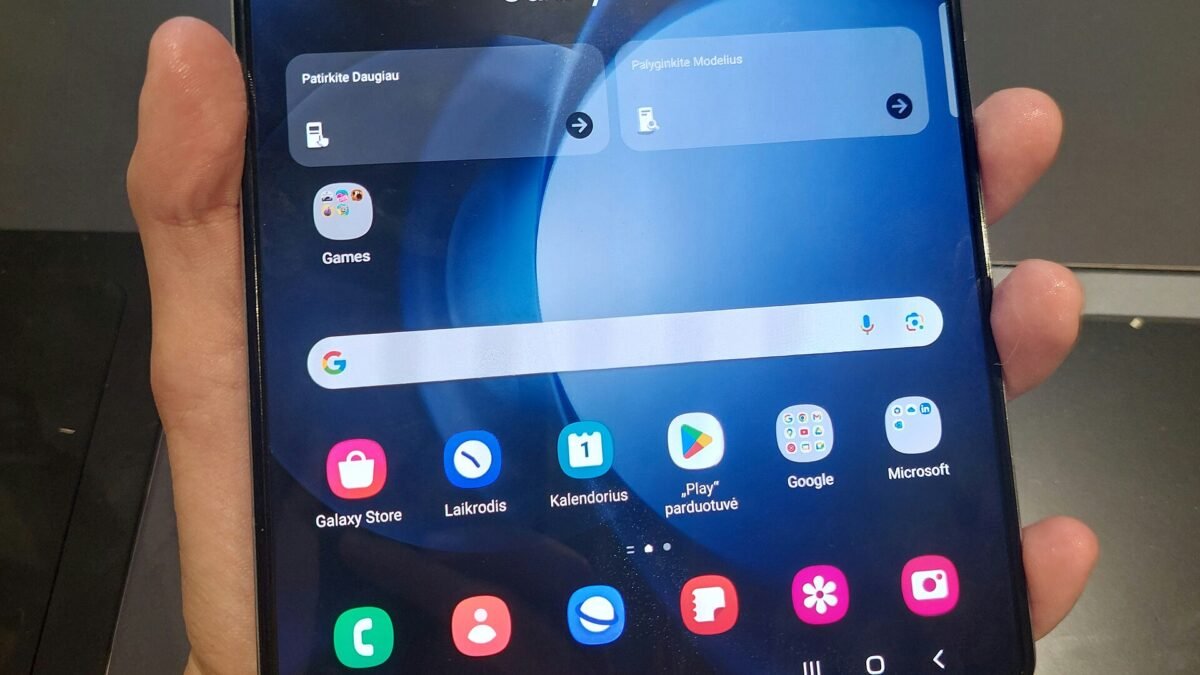
Samsung wants you to believe 2026 is the year foldable phones went mainstream. The marketing has the receipts to back it up: a new Z Fold8 lineup, a hinge that finally survives daily abuse, and a global market growing faster than smartphones as a whole. Look past the press release, though, and the numbers tell a messier story — one where “growing fast” and “mainstream” are two very different claims, and the industry keeps blurring them on purpose.
Here’s the honest read: foldables are the fastest-growing segment in smartphones, and they’re still nowhere close to mainstream. Not by price, not by market share, and not yet by the one metric that actually matters — whether normal people, not early adopters, are buying them.
The Growth Numbers Are Real
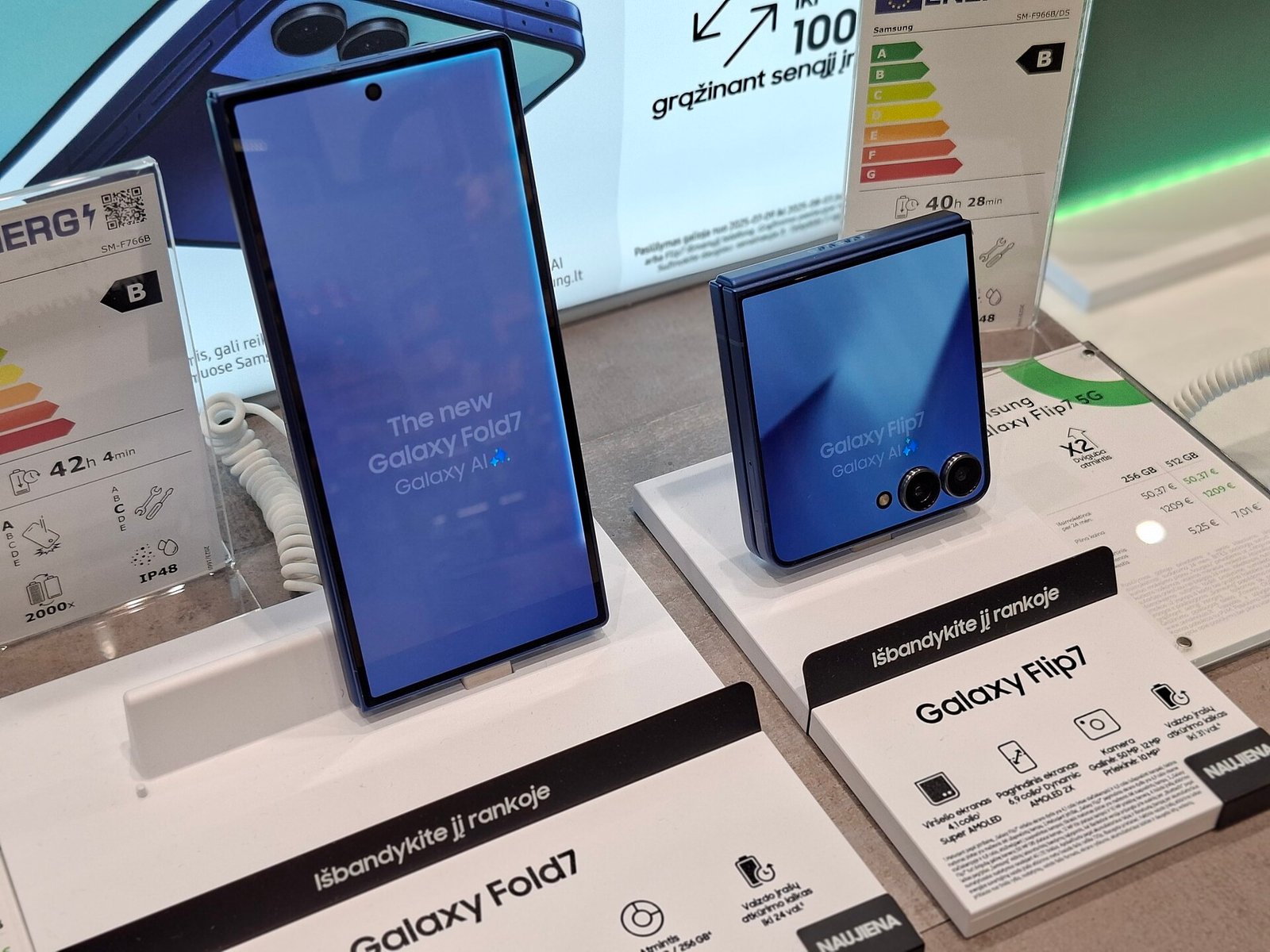
Start with what the data actually supports. DSCC and Counterpoint Research both put global foldable shipments at roughly 51 million units for 2026, up 21% year-over-year — a growth rate most of the broader smartphone market would kill for. Samsung’s July 22 Unpacked event pushed that momentum further, launching the Z Fold8, Z Fold8 Ultra, and Z Flip8, which went on sale August 7 — we broke down everything Samsung announced in our Unpacked recap if you missed the keynote. Book-style foldables — the Fold shape, not the flip-phone clamshell — are also pulling ahead of clamshells inside the category, expected to hit 65% of foldable shipments in 2026, up from 52% the year before. That’s a real signal: buyers who do choose a foldable are increasingly choosing the “serious productivity” shape over the fashion-flip one.
But Growth From a Tiny Base Isn’t the Same as Mainstream
Here’s the part the press releases leave out. Fifty-one million foldables against a global smartphone market that ships somewhere around 1.2 to 1.3 billion units a year works out to roughly 4% of all smartphones sold. A category can post 21% growth and still be a rounding error next to the mainstream. “Mainstream” implies your neighbor, your parent, and your coworker are all plausibly carrying one — not that a highly online, high-income sliver of buyers upgraded twice as fast as last year.
The Hinge Is Fixed. The Price Tag Isn’t.
To be fair to Samsung and its rivals, the technical objections that kept foldables niche for years are genuinely fading. Current-generation hinges from Samsung, Google, OPPO, and HONOR are rated for 200,000 to 500,000-plus folds — three to ten years of daily use before failure risk becomes a real concern. Google’s Pixel 10 Pro Fold is the first foldable with full IP68 dust and water resistance, and HONOR’s Magic V6 claims similar protection through what it calls a “Super Steel Hinge.” The crease, once the category’s most-mocked flaw, is thinner and less visible than it’s ever been.
None of that touches the actual barrier to mainstream adoption: price. The Z Flip8 — Samsung’s cheapest new foldable — starts at $1,199.99. The standard Z Fold8 runs $1,899.99, and the Ultra tops out at $2,099.99. That’s not a premium over a mainstream flagship; it’s double or triple the price of one. A PCQuest headline framed this tension almost too well: “foldables finally fixed the hinge — so why aren’t people buying them?” The hinge was never the whole problem. It just made a convenient scapegoat while price sat there, mostly unmoved, for five straight years.
More Players, Less Consolidation
If foldables were actually mainstreaming, you’d expect the category to consolidate around one or two dominant, trusted options — the way flagship slab phones did around Apple and Samsung years ago. Instead, the opposite is happening. Samsung’s own share of the foldable market is projected to shrink from 40% in 2025 to 32% in 2026, as Huawei (24%), Motorola (8%), and HONOR (3%) all carve out pieces. Apple is forecast to grab 25% of the category “in year one” of a rumored foldable iPhone — a figure worth treating with real caution, since no launch has been confirmed and the number is an analyst model, not a sales result. Fragmentation like this usually means a category is still figuring out what it is, not that it’s settled into the mainstream.
Steelmanning the Other Side
The strongest case against everything above goes like this: 21% year-over-year growth, in any consumer electronics category, is not a niche’s growth rate — it’s what a market looks like right before it tips. Durability objections that were legitimate in 2022 are functionally solved in 2026. More manufacturers entering isn’t fragmentation, it’s competition doing exactly what it’s supposed to do: forcing prices down and quality up over time, the same path folding-screen TVs, early smartphones, and early laptops all took before they went mainstream too.
It’s a fair argument, and it might even be right eventually. But “eventually” is doing a lot of work in that sentence. The Fold8 and Flip8 only went on sale August 7 — three days before this article was written — so there’s no post-launch sales data yet, only pre-order interest and announcement-cycle hype. Treating early demand signals as proof of mainstream arrival is exactly the mistake that got foldables over-hyped in 2019, when the original Galaxy Fold’s screen problems set the category back years. Growth from a small base, price that hasn’t moved, and a fragmenting field of competitors is a company doing well in a niche — not a niche becoming the mainstream.
Where That Leaves the Verdict: Are Foldable Phones Mainstream Yet?
Foldables in 2026 deserve real credit: the hinge, the crease, and the durability complaints that defined the category’s first five years are genuinely closer to solved than not. That’s progress worth acknowledging. But mainstream is a specific claim, and it requires specific evidence — price convergence with flagship slabs, market share in the double digits of the total smartphone market, and a settled field of two or three trusted players instead of six scrambling for position. None of that exists yet. Call 2026 what it actually is: the year foldables became the most successful niche in phones, not the year they stopped being one.
If you’re weighing whether to actually buy into the category right now, our Z Fold8 vs. Z Fold8 Ultra breakdown is the more useful next read than another market-share chart — it covers which of the two current models is worth the extra money, if either is. We also covered the crease-durability claims that are still disputed ahead of launch, worth a look if the hinge numbers above are what’s holding you back.
Leave a Reply