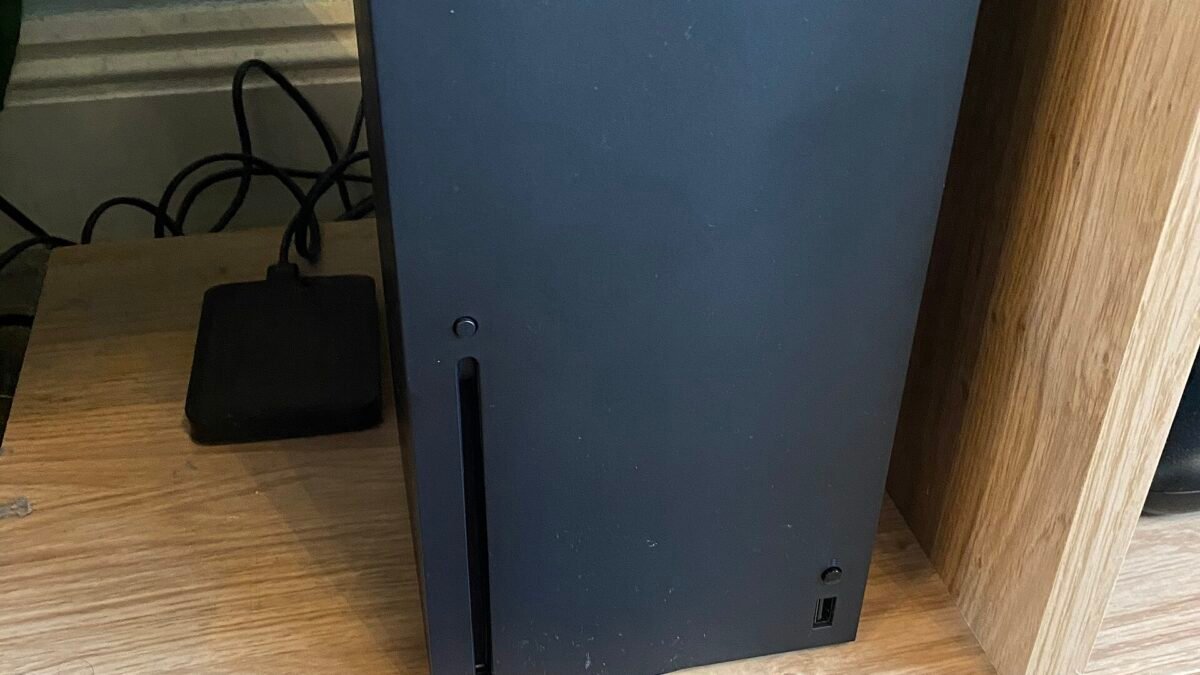
Cloud gaming’s entire pitch, from day one, has been “no waiting.” No downloads, no installs, no staring at a progress bar while the rest of your evening evaporates. For more than a year, Xbox’s version of that promise had a quiet asterisk on it — and almost nobody wrote the headline about the day it finally got fixed.
Buried in Microsoft’s August 12, 2026 system update, alongside five other changes that individually sound minor, is a fix for one of the most genuinely annoying things Xbox Cloud Gaming could do to you: making you wait anyway.
The bug nobody quite had a name for
Here’s the scenario, and if you’ve streamed a game on Xbox Cloud Gaming in the last year, you’ve probably lived it. You open a title through the cloud — the whole point being that none of the actual game files live on your device — and the session tells you it needs to update first. Not download-and-play-while-it-updates. Full stop, wait for the update, then the stream starts.
That’s not a cloud gaming problem in any normal sense. It’s a local-console problem that somehow followed you into the cloud, where it has no business existing. TechRadar’s coverage of the fix bluntly called the original behavior one of the most annoying things about the Xbox Series X experience — cloud included — and it’s hard to argue otherwise. The entire reason to stream a game instead of downloading it is to skip exactly this kind of wait.
What actually changed on August 12
With the new update, launching a cloud session on a title that needs patching no longer blocks you at the door. The stream starts immediately, and the update downloads and installs in the background on Microsoft’s server-side hardware, syncing quietly by the time you’re done playing — or somewhere in the middle, invisibly, without kicking you back to a loading screen. It’s a small architectural fix with an outsized effect on how the service actually feels to use, because it finally matches the mental model people already had for cloud gaming: press play, you’re playing.
It’s a good reminder that a lot of what makes a tech product feel “fast” isn’t raw horsepower — it’s removing a single dumb wait that never needed to exist in the first place.
Interesting tangent: the fix that rides along with it
There’s a second, related change in the same update that’s easy to mix up with the cloud fix, so it’s worth separating clearly. On the console side (not cloud), Xbox sped up how quickly the system detects that a game update is available — down to roughly 15 seconds — and added support for pre-downloading updates before you even launch the game. That’s a genuinely different fix, aimed at local play, but it’s part of the same broader “stop making people wait for updates” push, which is probably why coverage of the two kept blending together.
The other quiet wins in the same update
None of this shipped with a trailer or a splashy Xbox Wire headline. The August update also quietly added cloud-save restoration starting with Forza Horizon 6 — meaning a cloud session can now pick up your save state more reliably instead of occasionally leaving you stranded mid-career. There’s a fix for a keyboard input bug affecting Chinese input and Canadian French locales, and a crash fix for scrolling through the My Games & Apps list, which is exactly the kind of bug that’s minor until it happens to you three times in a week.
Taken individually, none of these six changes would justify a press release. Taken together, they’re the unglamorous maintenance work that actually decides whether a service feels trustworthy — the difference between “it mostly works” and “it just works,” which is a much higher bar than it sounds.
Why this took as long as it did
Xbox Cloud Gaming has been rolling in updates like this in waves since at least an Insider preview flagged back in late June, which suggests the fix wasn’t a quick patch so much as a piece of infrastructure that needed testing before a general release. That’s a reasonable explanation, but it doesn’t fully answer why a service built specifically to avoid local update waits inherited one in the first place. The likely answer is unglamorous: Xbox Cloud Gaming runs on the same underlying game-update system as the console, and until this update, cloud sessions simply hadn’t been decoupled from that system’s assumptions about how patching works.
It’s the kind of fix that’s much less interesting to build than a new feature, and much more valuable to the people who actually hit the bug every week.
Cloud gaming’s library keeps shifting under this kind of maintenance too — we’ve covered why Xbox Game Pass has been removing more games than it adds, which is its own kind of quiet, unglamorous change that shapes what the service actually feels like month to month. And this isn’t the only cloud experiment Xbox has running right now — Microsoft has also been testing an ad-supported version of cloud streaming, a very different kind of “quiet change” that could matter a lot more to your wallet than an update-wait fix ever will.
How this stacks up against the rest of cloud gaming
Xbox isn’t the only platform that has struggled with this exact category of problem. GeForce Now, Nvidia’s cloud service, sidesteps update-blocking almost entirely because it streams a pre-patched server-side copy of the game rather than syncing your personal save and install state the way Xbox Cloud Gaming does — different architecture, different tradeoffs. PlayStation’s cloud streaming, meanwhile, has leaned even harder into “stream the exact same build everyone else is playing,” which avoids this specific bug but comes with its own limitations around save compatibility and offline play.
Xbox’s approach — tying cloud sessions to your actual save data and update state instead of a generic pre-baked build — is arguably the more useful design for players who bounce between console, PC, and cloud on the same profile. It just meant inheriting console-style update mechanics as a side effect, which is exactly the tradeoff this update quietly cleans up. Worth knowing if you’ve ever wondered why some cloud services feel snappier than others: it’s rarely about server horsepower, and almost always about which corners got cut in how the update system was built.
The takeaway
This update landed the same month as August’s Game Pass lineup rotation, and it’s worth noticing that the fix getting the least attention might be the one that mattered most to daily cloud gaming users. Not every improvement needs a trailer. Sometimes the best update is the one where a service just quietly stops doing the annoying thing it always did — and nobody has to write an angry forum post about it anymore.
Leave a Reply