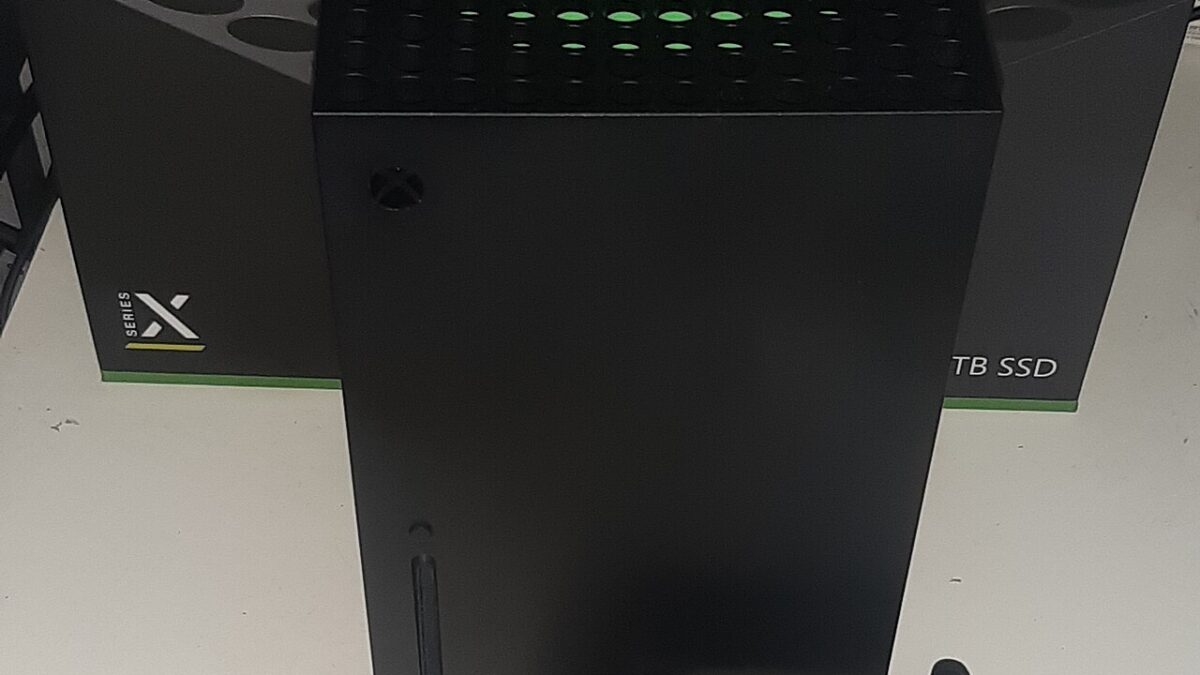
Xbox began testing a free, ad-supported way to stream games on July 23, 2026, letting eligible Xbox Insiders play select titles they already own — or free-to-play games — in exchange for watching a short block of ads before each session. Microsoft says the feature is entirely optional and won’t replace or interrupt existing Game Pass or cloud streaming options.
How Xbox’s Ad-Supported Cloud Streaming Test Works
According to the announcement on Xbox Wire, participating Insiders see a roughly two-minute block of multiple ads before joining the cloud streaming queue. Once a session starts, ads don’t interrupt gameplay itself — the ad break is front-loaded, not inserted mid-session. Each streaming session is capped at one hour, and availability is limited to supported devices and regions during this test phase.
Which Games Are Included
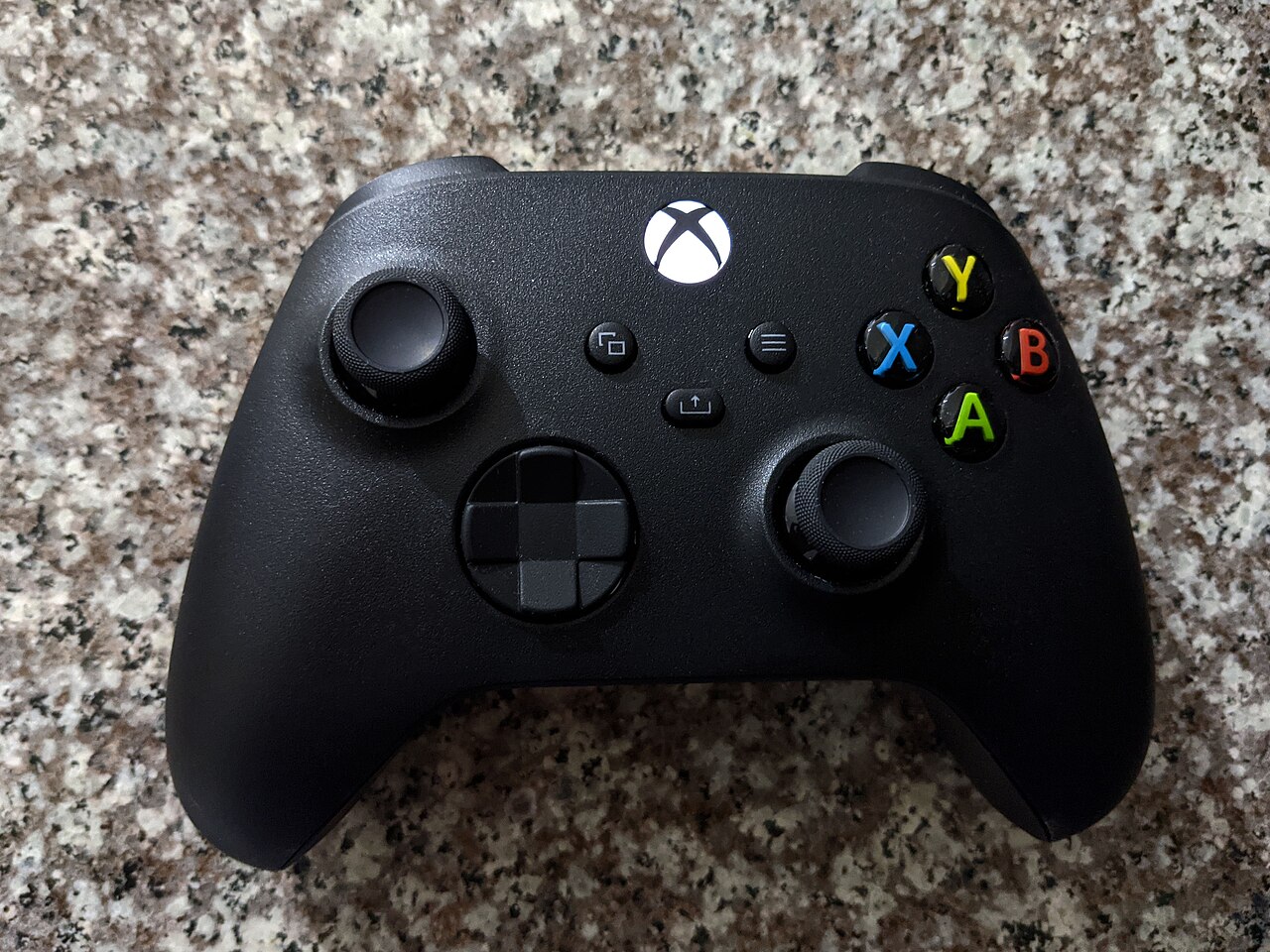
Not every game in a player’s library qualifies. Eligible titles fall into two buckets: games Insiders already own, such as Forza Horizon 6 and 007 First Light, and free-to-play titles like Call of Duty: Warzone, Genshin Impact, and War Thunder. Microsoft hasn’t published a complete list, and it’s unclear whether the roster will expand as the test progresses.
Why Xbox Is Testing Ad-Supported Streaming Now
Xbox Cloud Gaming already exists as a Game Pass Ultimate perk, but this test opens a second, ad-funded path into the same streaming infrastructure — one that doesn’t require an active subscription at all. It’s a familiar playbook: streaming video services from Netflix to Peacock have spent the last several years rolling out ad-supported tiers alongside their paid plans, trading a slightly worse experience for a lower (or zero) price. Microsoft appears to be testing whether the same trade works for cloud game streaming specifically, using owned and free-to-play titles as a low-risk entry point before touching anything in the paid Game Pass catalog.
The timing lines up with a broader industry search for cloud-gaming revenue outside subscriptions. Nvidia’s GeForce Now and Amazon’s Luna both run on paid membership tiers with no free, ad-supported option of their own, which leaves Xbox first to test whether a no-cost, ad-funded lane can pull in players who’d otherwise never touch cloud streaming — people who own a handful of games but don’t want another monthly bill. Game Pass Ultimate currently runs well into double-digit dollars a month, and Microsoft has raised that price more than once in the past two years. An ad-supported side door doesn’t cannibalize that revenue if it’s limited to games players already own; it just gives Microsoft another way to keep them inside the Xbox ecosystem instead of streaming those same titles from a locally installed copy.
If you’re weighing whether cloud streaming is even worth it on your current setup, our guide to handheld gaming PCs as Steam Deck alternatives covers the hardware side of that question — a decent handheld or even a phone can be enough to take advantage of a test like this one.
The Skeptical Take
Reaction hasn’t been universally warm. Commentary circulating alongside the announcement has questioned whether ad-supported streaming represents genuine innovation or just a familiar monetization lever with fewer places left to pull — one piece explicitly framed it as evidence of “a lack of imagination” rather than a meaningful new offering. Xbox’s own framing leans hard on the word “optional,” which suggests Microsoft is aware of exactly that criticism and wants to head it off before the test expands.
What to Watch Next
Microsoft hasn’t committed to a public rollout timeline or confirmed whether ad-supported streaming will eventually reach non-Insiders. Given how incrementally Xbox has historically expanded cloud gaming features — Xbox Cloud Gaming itself spent years in limited beta before reaching all Game Pass Ultimate members — a full public launch, if it happens at all, is unlikely before later this year at the earliest. For now, the test is limited to opted-in Insiders streaming a short list of owned and free-to-play titles, capped at an hour per session. If you’re curious how this fits into the broader push toward gaming-on-anything, our look at the retro handheld gaming boom covers the hardware side of that same shift toward playing games away from a dedicated console.
Deixe um comentário