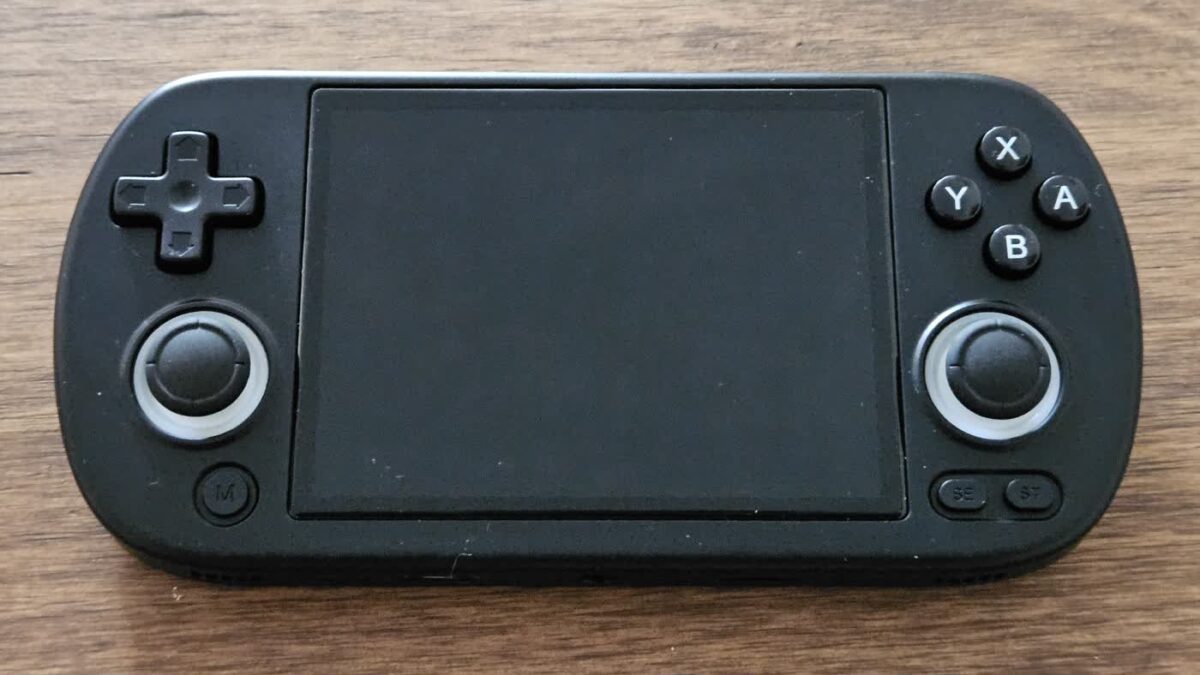
A company called Anbernic shipped roughly 1.25 million handheld gaming devices between 2020 and 2024, capturing nearly a third of an entire market segment most people have never heard of. These aren’t Nintendo Switches or Steam Decks — they’re small, cheap, often plasticky devices designed to play games that are, in some cases, older than the person buying them. And the category is only getting bigger.
The Numbers Behind the Boom
Anbernic currently controls about 32.7% of the retro handheld market, with Powkiddy at 23.5% and Retroid Pocket at 19.1% — three brands most casual gamers couldn’t name, quietly building a business worth real money. North America accounts for 38% of that revenue, ahead of Europe’s 29% and Asia-Pacific’s 23%, which runs against the usual assumption that budget gaming hardware sells better in price-sensitive markets overseas. It turns out Americans in their 30s and 40s with disposable income are the ones actually buying these things.
From Hobbyist Niche to Mainstream Shelf Item
Five years ago, a retro handheld meant ordering a barebones board from AliExpress and compiling your own firmware to get it working properly. That’s no longer the case. Anbernic now ships multiple new SKUs every quarter like a mainstream electronics company. Miyoo has leaned into community-built custom firmware instead of fighting it, effectively crowdsourcing its software development. Powkiddy keeps experimenting with odd form factors — flip phones, mini arcade cabinets, clamshells — chasing whatever goes viral next. And Retroid Pocket has pushed hardware performance far enough that its devices now emulate GameCube and early Switch-era games, not just Game Boy and PS1 titles.
What “Retro Handheld” Actually Means Today
The term covers a surprisingly wide range of hardware. At the low end, you’ve got $30-50 devices barely bigger than a car key fob, running open-source emulators for Game Boy and NES libraries off a microSD card. In the middle, $80-150 devices like the Anbernic RG35XX line or Miyoo Mini Plus handle PS1, N64, and Dreamcast games with reasonable accuracy. At the top, Retroid’s Pocket line pushes into $200+ territory and starts eating into actual handheld PC pricing, running GameCube, PSP, and even light Switch emulation on Android-based hardware. None of these companies make the games themselves — they make devices designed to run software that, legally, occupies a gray area most buyers don’t think too hard about. The devices are legal; how you source the game files is where things get murkier, and it’s a topic none of these manufacturers advertise loudly.
Why Now, Specifically
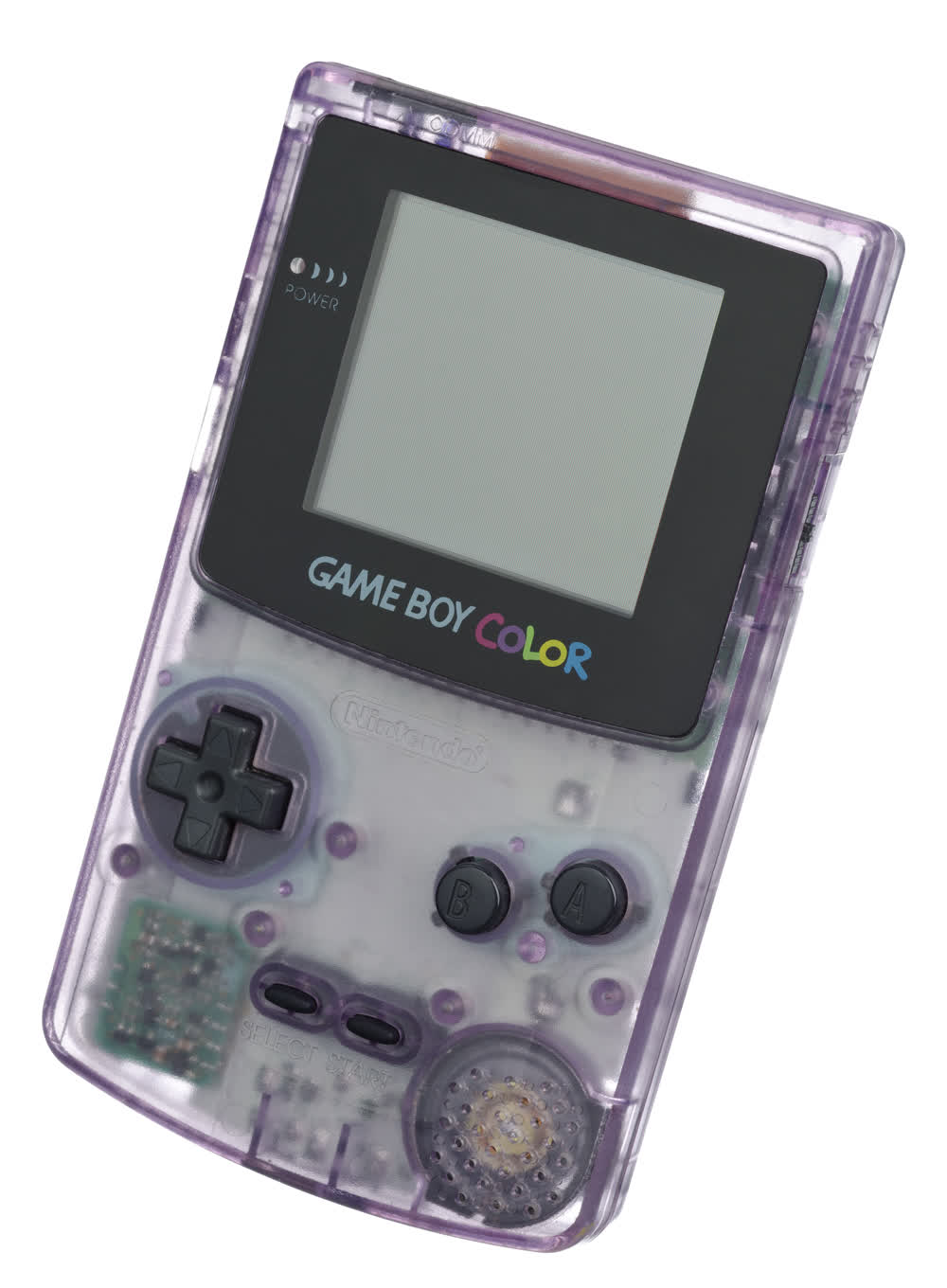
Three forces are converging at once. The first is straightforward nostalgia — millennials and Gen X gamers who grew up with a Game Boy Color now have careers and credit cards, and a $60 device that plays the exact library they remember is an easy impulse buy. The second is technical: modern chipsets are finally cheap and powerful enough to emulate demanding systems smoothly, with save states and HD output that the original hardware never had. The third is pricing pressure elsewhere in gaming. Valve just raised the Steam Deck’s price by nearly 50%, and Nintendo has pushed the Switch 2 toward $500 — when the “real” handhelds keep getting more expensive, a $50-150 device that plays thousands of classic games starts looking less like a novelty and more like a rational alternative.
The DIY Roots Are Still Visible
It’s easy to forget how recently this entire category was a fringe hobby. Ten years ago, “retro handheld” mostly meant modding an original Game Boy shell with a new screen and battery, a project that required a soldering iron and a lot of patience. The shift toward ready-made devices happened gradually as Chinese manufacturers noticed the modding communities on Reddit and Discord and realized there was demand for something you could just buy pre-assembled. What’s unusual is that the DIY culture never fully went away — it just moved up a layer. Instead of modding hardware, enthusiasts now flash custom firmware (Miyoo’s community builds being the clearest example), swap shells, and build spreadsheets comparing emulation accuracy across a dozen near-identical Anbernic SKUs released in the same calendar year. The tinkering instinct didn’t disappear, it just found a new surface to work on.
The Part Nobody Expects: It’s a December Business
Here’s the counterintuitive detail — search interest for “retro gaming console” doesn’t track evenly through the year. It spikes hard every December, hitting an index of 83 in December 2025 before dropping back to the 40s-60s range the rest of the year. That’s a gift-buying pattern, not an enthusiast pattern. A meaningful chunk of this entire market exists because these devices make cheap, novel holiday presents for the gamer in your life who “has everything” — which says as much about retro handhelds’ identity as a gift category as it does about their gaming merits.
Where This Fits Next to “Real” Handhelds
Retro handhelds aren’t really competing with Steam Deck-class devices head-on — they’re a different budget tier entirely, closer to a curiosity purchase than a primary gaming platform. If you’re weighing a proper handheld gaming PC instead, our roundup of Steam Deck alternatives covers that higher tier, and we’ve also broken down exactly why the Steam Deck’s price just went up, which is part of what’s pushing budget buyers toward the retro category in the first place. For anyone building out a broader budget gaming setup, our budget gaming PC build guide is worth a look too.
What’s genuinely interesting about this trend is that it’s not really about the games at all — most of the libraries these devices emulate are decades old and freely available in other forms. It’s about form factor and nostalgia doing more marketing work than any single game ever could. Whether that holds up as the novelty wears off, or whether Anbernic and Retroid keep pushing performance until “retro handheld” stops meaning what it means today, is the more interesting question than which SKU sold best this quarter.
There’s also a generational handoff happening quietly underneath all of this. The kids of the millennials buying these devices for nostalgia are often the ones who end up playing them the most, discovering 30-year-old platformers and JRPGs with zero context for why their parents are excited about a blocky sprite running at 60fps on a 3.5-inch screen. In that sense, the retro handheld boom might end up mattering less as a hardware trend and more as an accidental preservation project — keeping decades-old game libraries actively played by new audiences, one impulse-bought holiday gift at a time.
Deixe um comentário