Alphabet just told investors it plans to spend up to $205 billion on infrastructure in 2026 — and the stock dropped anyway. The Google parent company raised its full-year capital expenditure guidance to a range of $195 billion to $205 billion during its Q2 earnings call this week, up from the “as much as $190 billion” it had guided just three months earlier.
What Changed
CFO Anat Ashkenazi told analysts the increase is “primarily due to an acceleration in the delivery of capacity to meet growing demand” — corporate shorthand for: Google is building AI data centers faster than planned because customers want more compute than Google currently has to sell. Q2 capex alone hit a record $45 billion, and this is now the second time in 2026 that Alphabet has raised its full-year spending target, having already more than doubled its 2025 capex figure with the original guidance.
The Business Behind the Number
The spending isn’t happening in a vacuum. Alphabet posted $119.8 billion in Q2 revenue, up 24% year-over-year, and Google Cloud — the division most directly tied to this infrastructure buildout — grew revenue 82% to $24.8 billion, an acceleration from prior quarters. Google’s cloud backlog, essentially contracted future revenue not yet recognized, now sits at roughly $514 billion. By that measure, the capex hike reads less like blind AI-arms-race spending and more like a company trying to keep up with signed contracts it can’t yet fully service.
Why the Stock Fell Anyway
Despite beating revenue expectations across the board, Alphabet shares fell roughly 5-6% following the announcement. Wall Street’s math is straightforward: every dollar poured into data centers and chips is a dollar not returned to shareholders, and capex at this scale compresses free cash flow regardless of how strong the underlying demand looks. It’s the same pattern that’s hit Meta, Microsoft, and Amazon at various points this year as AI infrastructure spending across the industry has ballooned — investors want to see the AI buildout pay off in revenue before they fully reward the spending that creates it.
How This Compares to the Rest of Big Tech
Alphabet isn’t spending in isolation. Microsoft, Meta, and Amazon have all raised their own AI infrastructure budgets multiple times over the past year, turning quarterly capex guidance into one of the most closely watched numbers in tech earnings — arguably more scrutinized than revenue itself at this point. What sets Alphabet’s situation apart is the pairing with genuinely accelerating cloud growth: an 82% year-over-year jump is unusually strong even by this cycle’s inflated standards, which is part of why some analysts framed the number as demand-driven rather than speculative, even as the stock sold off on the news. Whether that distinction matters to investors watching quarterly free cash flow shrink is a separate question from whether the spending itself is justified by the business Google is actually building.
What It Means Going Forward
For everyday users, this is the infrastructure layer behind products like Gemini becoming more capable — the compute Alphabet is buying now is largely earmarked for AI training and inference capacity. We’ve covered the flip side of this same story in our look at why Gemini 3.5 Pro keeps getting delayed despite all this spending, and the broader chip-supply context is covered in our piece on why TSMC and ASML’s earnings matter more than any single stock price. Expect the next data point to land with Alphabet’s Q3 report, when analysts will be watching whether cloud revenue growth keeps pace with the spending meant to support it.
Frequently Asked Questions
How much did Alphabet raise its 2026 spending guidance by?
From “as much as $190 billion” (guided in April 2026) to a new range of $195 billion-$205 billion, announced on the Q2 earnings call on July 22, 2026.
Why is Alphabet spending so much more than before?
CFO Anat Ashkenazi attributed it to accelerating delivery of AI data center capacity to meet demand that’s outpacing Google’s current infrastructure.
Why did the stock drop if earnings beat expectations?
Investors are concerned about the cash flow impact of sustained high capex, even though Google Cloud revenue grew 82% year-over-year and the company’s cloud backlog reached roughly $514 billion.
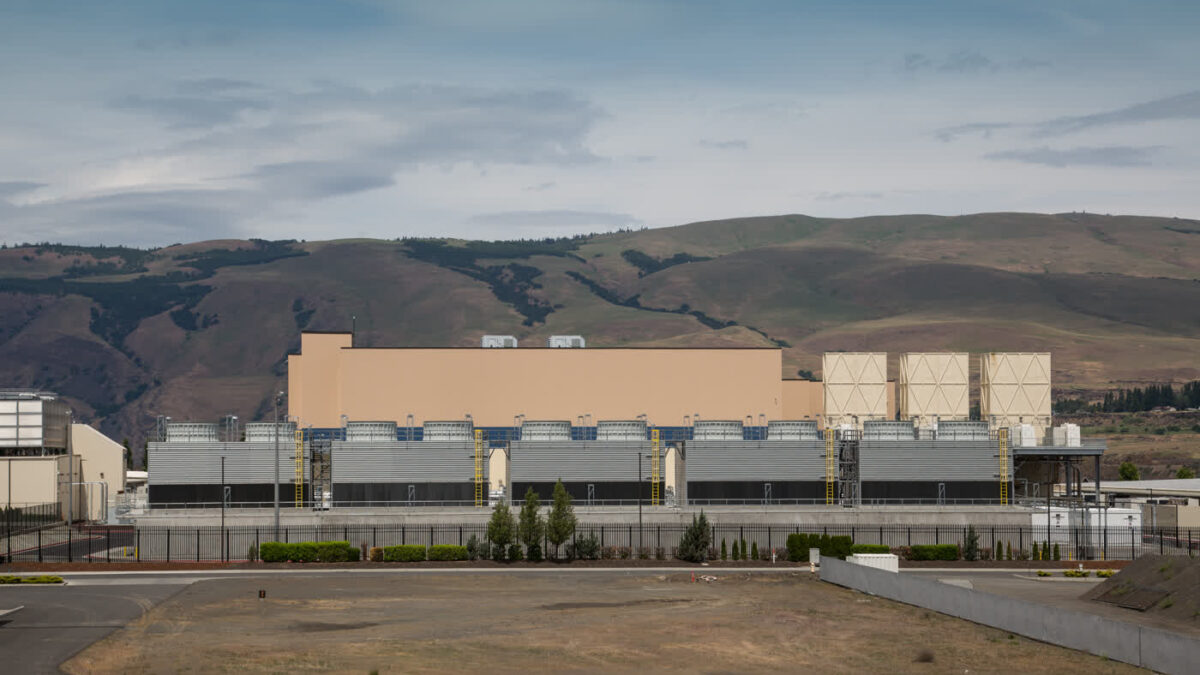
Featured image: Google data center, The Dalles, Oregon. Photo by Tony Webster, CC BY 2.0.
Deixe um comentário