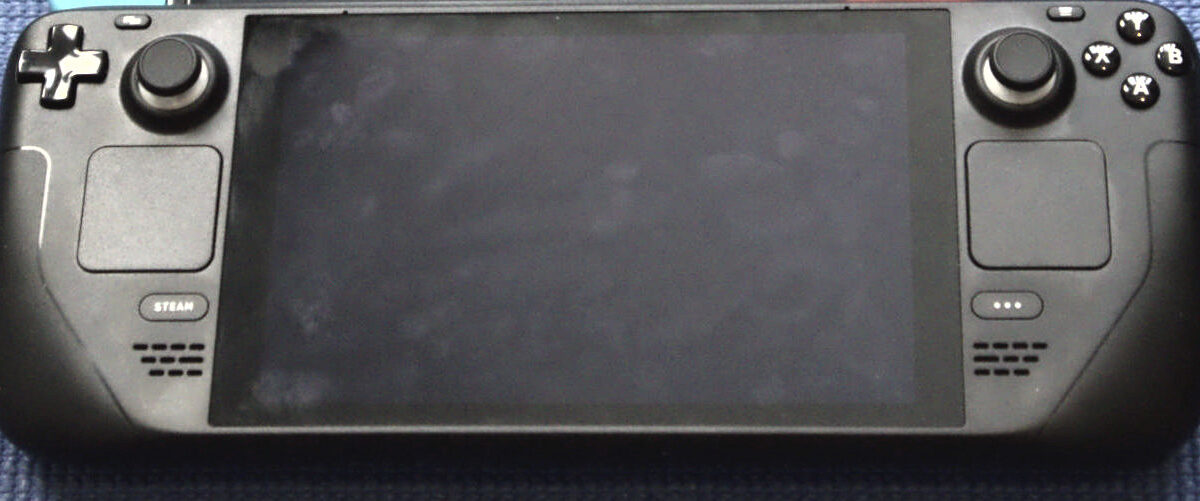
Here’s the honest truth: if you’ve been eyeing a Steam Deck this year, you might have opened Valve’s store recently and thought you’d clicked the wrong link. The 512GB OLED model that sold for $549 is now $789. The 1TB version went from $649 to $949. That’s not a typo, and it’s not a one-off — it’s part of a price shock rippling through basically every handheld and console on the market right now, and the reason behind it is stranger than “inflation.”
The numbers, laid out plainly
Effective May 27, 2026, Valve raised Steam Deck OLED prices by roughly 44-46%: the 512GB model jumped $240, and the 1TB model jumped $300. The LCD version has effectively been discontinued from new production, leaving refurbished units — 512GB LCD refurb still at $359, OLED refurb at $629 (512GB) and $759 (1TB) — as the closest thing to a “budget Deck” left. Valve’s own explanation is deliberately vague: prices “reflect the current state of component costs and other global logistical challenges across the industry as a whole.” Translation: it’s not us, it’s the memory market.
For anyone who bought a Deck before May, this is a strange kind of luck — you got in before a price jump that Valve itself says isn’t finished yet. For everyone still shopping, it’s the opposite: the device hasn’t changed at all, but the bill for it just went up by a few hundred dollars, for reasons that have nothing to do with the product on your desk.
Meet “RAMageddon” — the real story behind the sticker shock
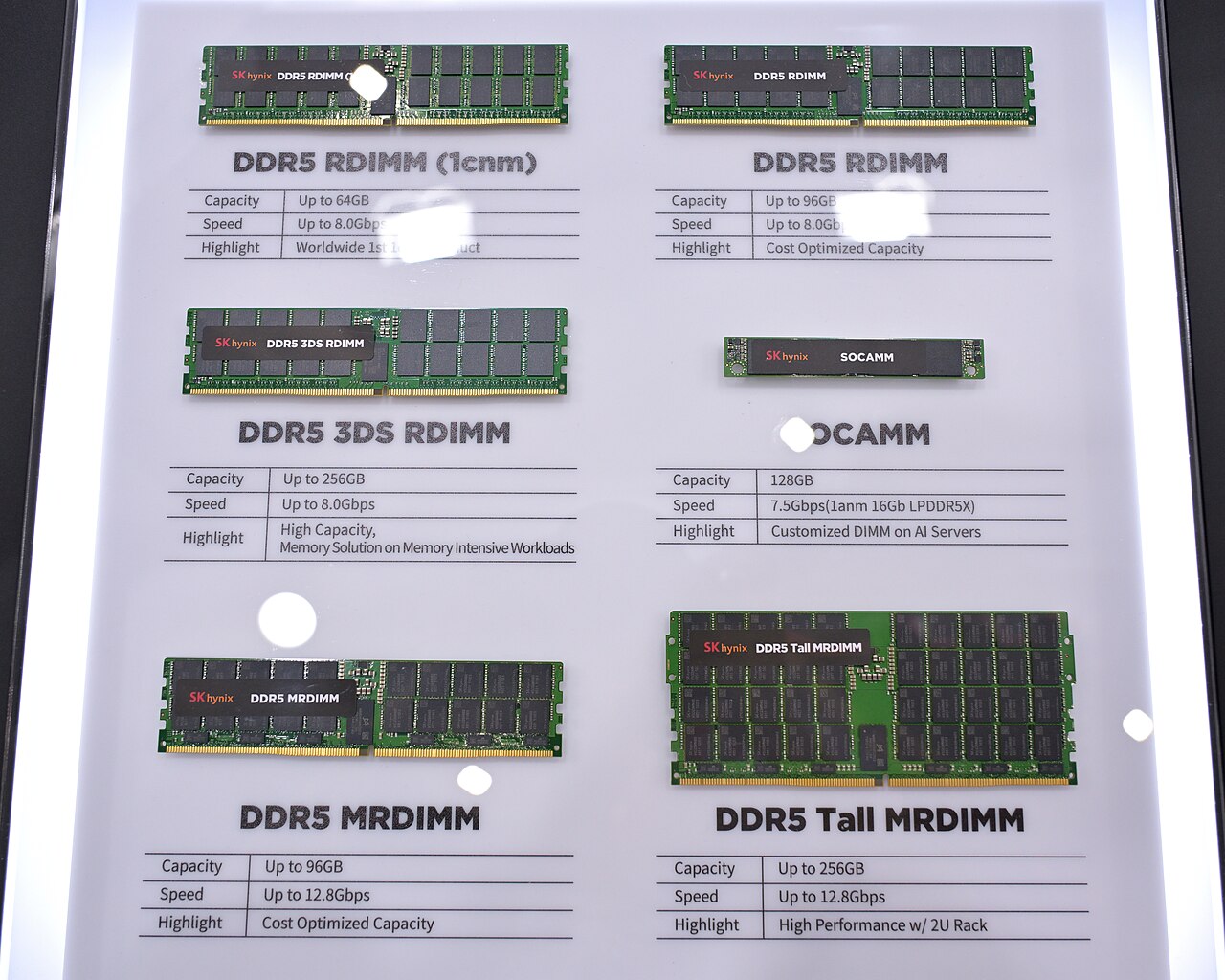
That vague Valve statement is hiding a genuinely wild supply story. DDR5 memory prices have roughly quadrupled over the past year, and NAND flash and GDDR (the memory used in GPUs) have spiked right alongside it. The cause isn’t gamers — it’s AI datacenters. Manufacturers have been reallocating production capacity toward high-bandwidth memory for AI accelerators, and demand for that memory is, for now, effectively unlimited. Every device that competes for the same memory supply chain — Steam Deck, PS5, Nintendo Switch 2, every graphics card — has taken a hit. Valve even followed up its initial statement by saying retail memory pricing is “still getting worse,” which is not the sentence you want to hear if you were waiting for this to blow over.
Here’s the interesting tangent: Japan got hit even harder, with a separate roughly $100 hike on top of the global increase, which has people speculating the US price could still climb again. If you’ve noticed GPU prices behaving the same way lately, that’s not a coincidence — we’ve covered why GDDR memory got so expensive this year and how the same shortage is rattling chip stocks — it’s all the same supply crunch wearing different masks.
What makes this particular squeeze different from a normal component shortage is where the demand is coming from. This isn’t a factory fire or a shipping delay — it’s manufacturers permanently reallocating production lines toward high-bandwidth memory for AI accelerators, because that memory sells for far more per unit than the DDR5 and GDDR going into consumer devices. Every gaming handheld, console, and graphics card is now competing for leftover capacity against an AI industry with what amounts to an unlimited budget. That’s a structural shift in who memory manufacturers prioritize, not a temporary bottleneck — which is part of why Valve’s “still getting worse” comment reads less like caution and more like a warning.
Did the price hike actually work — or backfire?
This is where it gets genuinely confusing, because two respected outlets reported opposite outcomes. Boilingsteam claims the new pricing slashed Steam Deck demand by as much as 80%. Notebookcheck reported the OLED model sold out again shortly after the new prices went live. Both can’t be fully right, and the likely truth sits somewhere in between: initial panic-buying from people who’d been meaning to pull the trigger, followed by a real demand drop-off once the sticker price sank in — with some of that “sold out” status possibly inflated by scalpers testing whether resale margins still work at the new price.
There’s a simpler explanation too, and it’s the one retailers usually won’t say out loud: “sold out” and “in high demand” aren’t the same thing when a manufacturer is also managing supply. If component costs are still rising, shipping fewer units at a higher price per unit can produce the same revenue as shipping more units at the old price — and a leaner supply line sells out faster almost by design, regardless of whether underlying demand actually grew, shrank, or stayed flat.
The surprising part: people are still choosing it anyway
Here’s what should, on paper, kill the Steam Deck’s appeal: at $789, the OLED model now costs more than a Lenovo Legion Go S (from $499.99) or an ROG Xbox Ally (from $599) — both arguably more powerful machines. And yet a meaningful chunk of buyers are sticking with Valve. The reason isn’t specs, it’s software. SteamOS and Proton compatibility remain the thing Windows-based handhelds still haven’t fully matched — no driver hunting, no Windows UI fighting a 7-inch touchscreen, just a console-like experience that happens to run your whole PC library. That ecosystem loyalty is the one variable this price hike didn’t touch, and it’s the reason Valve can raise prices by nearly half and still sell out.
Whether that loyalty holds if prices climb again is the open question. It’s also worth remembering loyalty only stretches so far — the same forums full of people defending the Deck’s software polish are also full of people admitting they’re now pricing out a Legion Go or an Ally X for their next handheld, precisely because the price gap that used to make the Deck the obvious budget pick has narrowed to almost nothing. If you’re weighing the alternatives now that the calculus has shifted, we broke down the current field in our comparison of the best handheld gaming PCs in 2026 — including which one actually makes sense if the Deck’s price no longer feels like the “affordable” option it used to be.
For now, the takeaway isn’t “avoid the Steam Deck” — it’s that the memory shortage driving this is bigger than any one device, and it’s not close to finished.
Deixe um comentário