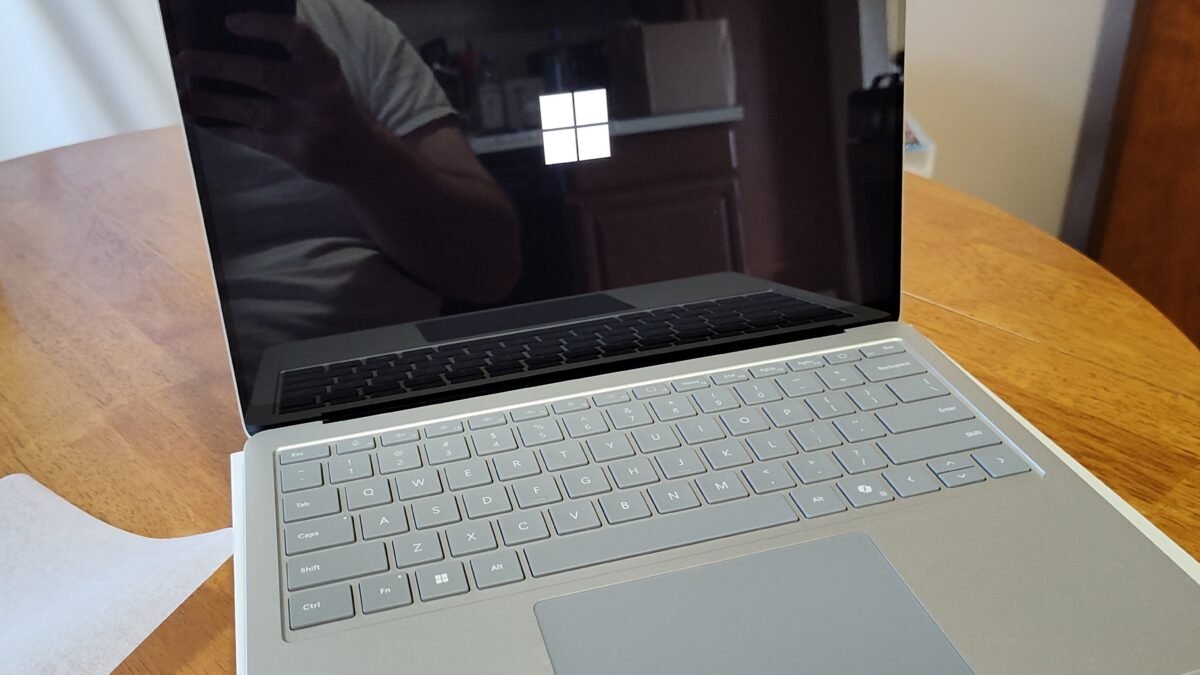
Microsoft announced a new Surface Pro 12-inch and Surface Laptop 13-inch on September 23, and the launch post never calls them Copilot+ PCs. The May 2025 post for the previous versions of the same two devices put “Copilot+ PCs” in its headline. Microsoft is moving away from the label. The hardware requirement behind it is not going anywhere, and without the badge that requirement is easier to miss on a spec sheet.
What changed
The new models use Qualcomm’s Snapdragon X2 Plus. The Surface Pro 12-inch starts at $1,149.99 and the Surface Laptop 13-inch at $1,199, both available from October 13 in select markets, according to Microsoft’s announcement.
Surface corporate vice president Brett Ostrum explained the naming in an interview with Windows Central, as reported by Thurrott and PCWorld: “These are not called Copilot+ PCs. They do meet all the requirements of our previous bar for what Copilot+ devices are.” PCWorld also reports that Kedar Kondap, who runs compute and gaming at Qualcomm, told Windows Central the badge is unlikely to be used in the future.
The badge is gone from Surface. The hardware bar is not
Microsoft’s Windows 11 specifications page still defines the same bar, and still uses it to decide which PCs get certain Windows features:
- A processor with an NPU (the chip’s dedicated AI engine) rated at 40 or more TOPS. Microsoft’s list currently names AMD Ryzen AI 300 and 400 series, Intel Core Ultra 200V and 300V series, and Snapdragon X series.
- 16GB of DDR5 or LPDDR5 memory.
- 256GB of SSD or UFS storage.
The same page says that to get what it calls unique Copilot+ PC experiences, such as improved Windows search and Click to Do, you need a PC that meets all of those requirements. It also lists Recall (preview) and super resolution in the Photos app among the features tied to Copilot+ PCs. The product name changed; the feature gate did not.
The spec-sheet traps, now that there’s no badge
With the badge, a buyer could look for one label. Without it, you have to read the spec sheet yourself, and a few numbers there are easy to misread.
Total TOPS is not NPU TOPS. Intel’s own specification page for the Core Ultra 7 255H lists 96 overall peak TOPS, but only 13 for the NPU. The Core Ultra 7 258V lists 115 overall and 47 for the NPU. Microsoft’s bar counts the NPU figure, so a listing that advertises the bigger total number tells you nothing about these features.
“Core Ultra” alone is not enough. Microsoft’s list names the Core Ultra 200V and 300V series. The 255H is a Core Ultra chip from the same product generation as the 258V, and its NPU is well below 40 TOPS.
“Snapdragon” alone is not enough either. Qualcomm announced Snapdragon C in May for entry-level laptops starting around $300, with devices expected later this year. Qualcomm’s announcement says it has an integrated NPU but gives no TOPS figure, and Microsoft’s list names the Snapdragon X series. Until a specific model is shown to meet the bar, don’t assume it does.
A fast NPU with 8GB of memory does not qualify. Microsoft says some Windows 11 PCs have a 40+ TOPS NPU but are not Copilot+ PCs because they have less than 16GB of memory or less storage.
| What the listing says | What to check | Why |
|---|---|---|
| “AI PC” or an AI badge | The exact processor model, then its NPU TOPS | Neither is a Microsoft requirement |
| A large “TOPS” number | That it is the NPU figure, not overall TOPS | Only the NPU counts toward the 40 TOPS bar |
| “Intel Core Ultra” | 200V or 300V series | Other Core Ultra series are not on Microsoft’s list |
| “Snapdragon” | Snapdragon X series | Snapdragon C is not on Microsoft’s list |
| Memory and storage | At least 16GB and 256GB | An NPU alone does not qualify a PC |
Does it matter for you?
If you don’t plan to use Recall, Click to Do or the other on-device features, the naming change doesn’t affect your choice at all. Pick the laptop on battery life, screen, keyboard and price, using the same questions as our laptop buying framework. If you do want those features, treat the spec sheet as the only reliable signal, and check the processor model on the chipmaker’s own page before you pay. If the timing of the purchase is the real question, our look at whether to buy a laptop now or wait covers the pricing side.
Bottom line
Microsoft is moving away from the Copilot+ PC name, but not from the requirement behind it. A 40+ TOPS NPU, 16GB of memory and 256GB of storage still decide which Windows PCs get features like improved Windows search and Click to Do. Ignore “AI PC” labels and headline TOPS totals, and check the NPU figure, the processor series and the memory.
How we checked: we compared Microsoft’s September 2026 and May 2025 Surface launch posts, read Microsoft’s Windows 11 specifications page and the Intel and Qualcomm product pages linked above on September 26, 2026, and attribute the Windows Central interview quotes to the outlets that reported them. DecodeGear did not test these laptops.
Leave a Reply