If you’ve priced out a new laptop this year and it felt more expensive than you remembered, you weren’t imagining it. IDC now forecasts global PC shipments will fall 11.3% in 2026, with the decline getting worse as the year goes on — Q4 alone is expected to drop 20% year-over-year. And yet, despite fewer machines being sold, the total dollar value of the PC market is still projected to grow to $274 billion, because the units that do sell cost more. That combination — fewer sales, higher prices — is the whole story, and it changes the calculus on whether you should buy now or hold off.
What You’ll Learn
This guide breaks down why laptop prices are climbing, how long IDC expects the shortage to last, which price brackets are getting hit hardest, and a practical framework for deciding whether your specific situation calls for buying now or waiting it out.
Why Laptops Got More Expensive in 2026
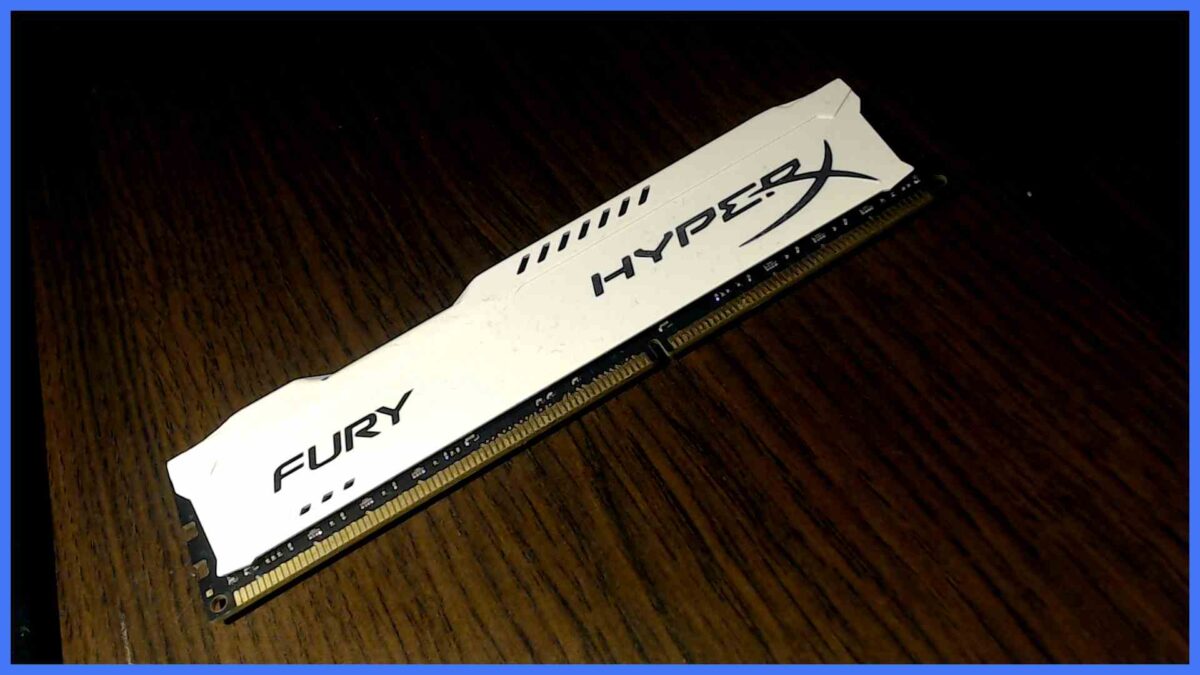
The root cause is a memory shortage — DRAM and NAND flash, the chips behind RAM and SSD storage — that’s been squeezing supply since early in the year. IDC’s research points to PC average selling prices rising 18.3% in 2026, driven almost entirely by component costs rather than new features or premium redesigns. This is the same shortage we covered when breaking down why RAM keeps getting more expensive while SSDs briefly bucked the trend, and it’s now visible in finished laptop pricing across every brand, not just boutique builders.
The mechanism is straightforward: laptop manufacturers buy memory and storage chips in bulk, months ahead of when a model actually ships. When those input costs spike mid-cycle, companies either eat the margin loss or pass it to the sticker price — and at current shortage levels, most are passing it along.
Budget Laptops Are Taking the Biggest Hit
This shortage doesn’t affect every price bracket equally. Budget and entry-level laptops are hit hardest, because their profit margins were already thin — there’s less room to absorb a component cost spike before the retail price has to move. A laptop that was $500 last year isn’t necessarily $500 with slightly worse specs this year; it might just be $600, full stop. Premium laptops feel it too, but a $2,000 machine has more pricing cushion built in than a $450 one.
If you were specifically shopping the budget tier, this is the bracket where “wait and see” carries the most risk, because budget inventory is also the first to get cut when manufacturers trim product lines to protect margins — meaning the exact model you wanted might simply stop being made.
How Long This Actually Lasts
IDC’s timeline is not encouraging for anyone hoping this resolves by the holidays: the memory shortage is expected to persist well into 2027, with only modest easing anticipated starting in 2028. Critically, analysts don’t expect pricing to fully return to 2025 levels even once supply eventually catches up — some of this increase looks structural, not temporary.
That timeline matters more than the shortage itself. A short-term price spike is worth waiting out. An 18-month-plus period where prices stay elevated and then only partially come back down is a different decision entirely.
Pro Tip: Watch Configuration, Not Just Price
One thing shoppers miss during a shortage like this: manufacturers often keep the sticker price the same and quietly ship less RAM or a smaller SSD in the same model number instead of raising the price outright. Check the exact spec sheet against what that model shipped with six months ago before assuming a “same price” listing is actually the same laptop.
Which Components Are Actually Driving the Increase
It’s worth being specific about where the money is going, because “memory shortage” undersells how broad this is. DRAM affects every laptop’s RAM, obviously, but NAND flash — the same underlying technology — is also what portable and internal SSDs are built from, which is why portable SSD pricing has moved in tandem rather than staying insulated. GPUs are caught in the same squeeze from a different angle: the memory chips on a graphics card (VRAM) draw from the same constrained supply, which is part of why AMD has been raising Radeon pricing this year rather than absorbing the cost. None of these three categories — RAM, storage, graphics — is having an isolated bad year. They’re all drawing from the same shrinking pool of manufacturing capacity, which is exactly why a shortage in one shows up as a price increase in all three at once.
Timing Signals Worth Watching
If you land in the “wait” camp, don’t wait passively. Back-to-school season and the run-up to major shopping events historically produce the deepest laptop discounts of the year, even during a component shortage, because retailers still compete on visible sticker price during those windows even as their margins shrink. Outlet and refurbished channels are also worth checking more seriously than usual right now — a manufacturer-refurbished unit from before the shortage fully hit can sometimes beat a new unit’s price-to-spec ratio by a wide margin, since it was built and priced under the old cost structure.
So: Buy Now, or Wait?
Here’s the practical framework:
- Buy now if: your current machine is failing, you need it for work or school on a deadline, or you’re eyeing a budget-tier model that’s at real risk of being discontinued or spec-downgraded.
- Wait if: your current laptop still works fine and you were upgrading opportunistically — the “just because” upgrade is exactly the kind of purchase this market is punishing right now.
- Consider a desktop instead if you have the space and don’t need portability — desktop component prices are also up, but you retain the option to upgrade piece by piece over 18 months instead of eating the full cost in one purchase, unlike a laptop where everything is soldered in from day one.
If portability isn’t optional for you, it’s worth reading how this same shortage is reshaping what people actually buy — our look at why a laptop GPU just outsold every desktop card on Steam for the first time shows the shift already happening in real purchase data, not just forecasts.
FAQ
Will laptop prices go back down in 2026?
Unlikely. IDC expects the shortage to persist through 2027, with only partial price relief starting in 2028.
Which laptops are most affected by rising prices?
Budget and entry-level models, since thinner margins leave less room to absorb component cost increases.
Is it better to buy a desktop instead right now?
Only if portability isn’t a requirement — desktop components are also more expensive, but you can upgrade incrementally instead of replacing the whole machine.
Should I upgrade my current laptop’s RAM or SSD instead of buying new?
If your laptop supports user-upgradeable RAM or storage, this is often the better move right now — you avoid paying inflated prices on parts of the machine that were already fine.
Deixe um comentário