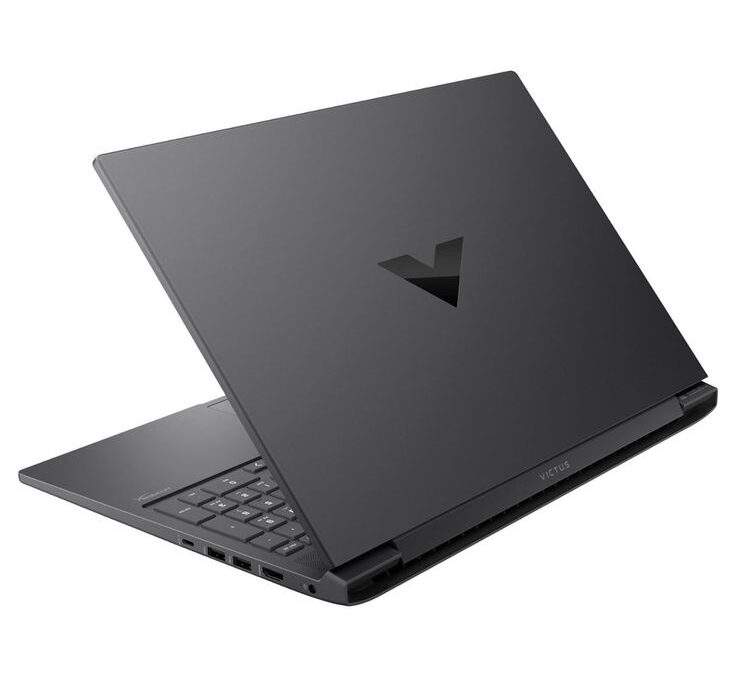
For twenty-some years of Steam’s Hardware Survey, the most popular graphics card in PC gaming has always been a desktop card. It made sense — desktop GPUs are cheaper per frame, easier to upgrade, and that’s where the “real” gaming PCs lived. Then the June 2026 survey results came in, and the most common GPU among Steam’s tens of millions of users wasn’t a desktop card at all. It was a laptop chip. And once you look at why, it stops being a fluke and starts looking like where PC gaming was always heading.
The Number That Broke a Two-Decade Pattern
The NVIDIA GeForce RTX 4060 Laptop GPU edged into the top spot at 3.81% of all surveyed systems, narrowly passing the desktop RTX 3060 at 3.73%. It’s the first time in the survey’s history that a mobile graphics chip has led the entire chart — not just cracked the top five, but actually won.
The margin is thin enough that it could flip back next month. But the fact that it got there at all is the interesting part, because it means enough people are buying gaming laptops, specifically with this one mid-range chip, to outnumber every single desktop configuration on Steam.
Same Name, Very Different Chip
Here’s the detail that trips people up: a laptop RTX 4060 and a desktop RTX 4060 share a model name but not much else under the hood. The desktop card runs at a power budget of roughly 115 to 165 watts. The laptop version is squeezed down to 60-80 watts to fit inside a chassis that also has to dissipate heat from a CPU sitting inches away. Same silicon family, meaningfully less headroom — which is why laptop GPU benchmarks always trail their desktop namesakes by a real margin, sometimes 20-30% in the same game.
That gap is exactly why this milestone matters more than it would if a desktop card had simply changed rank. People aren’t choosing the laptop chip because it performs better. They’re choosing it because it’s attached to a machine that does everything else too.
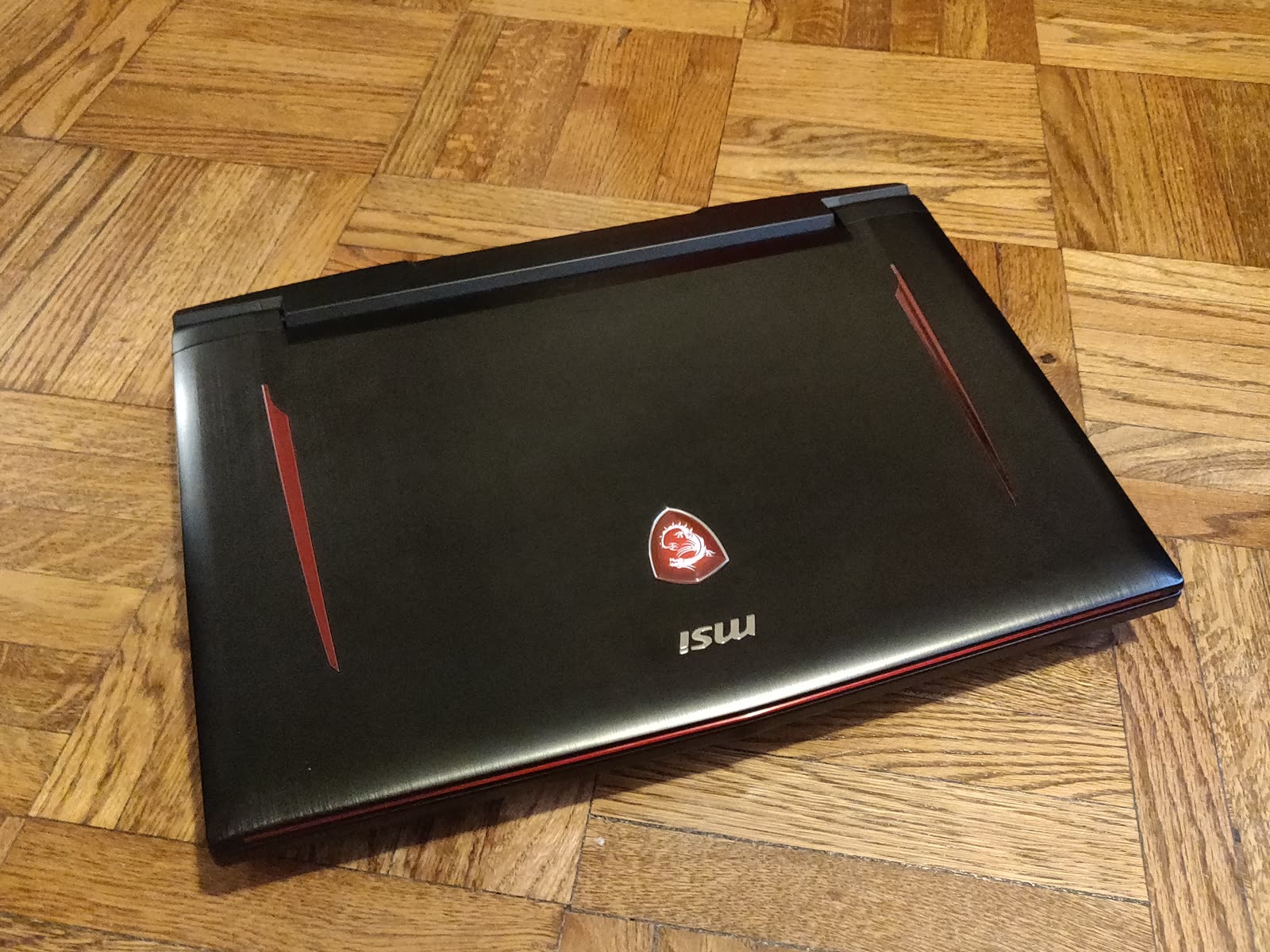
The Real Driver: Desktops Got Expensive to Build
This shift isn’t happening in a vacuum. It’s landing during the same memory and storage shortage that’s been reshaping PC pricing all year — the kind of thing we broke down when AMD raised Radeon GPU prices 10% this month. Building a desktop gaming PC right now means paying inflated prices on RAM, GPUs, and storage all at once — the same squeeze covered in our piece on portable SSD pricing this year — on top of still needing a monitor, keyboard, and case you probably already own if you’ve got a laptop.
A gaming laptop sidesteps that math entirely. You’re paying one number for a complete machine, and — this is the part that actually shows up in the Steam numbers — a laptop with an RTX 4060 in it is a genuinely common, mid-priced configuration that manufacturers have been shipping in volume for two years. Desktop DIY builders, by contrast, are the ones feeling every individual component price hike directly, one part at a time.
It’s Not Just the GPU Chart, Either
The same June survey showed Windows 11 crossing 70% share for the first time, and AMD narrowing the CPU gap with Intel to under nine percentage points — both slower-moving trends that happened to cross a threshold in the same month as the GPU flip. None of these are directly related to each other, but they all point the same direction: the “default” PC gaming setup in 2026 looks less like a beige tower under a desk and more like a laptop that goes wherever you do.
The Windows 11 number is worth sitting with for a second. It took years past the OS’s original release for adoption to clear 70% of Steam’s surveyed base, partly because a chunk of that user base was actively holding out on Windows 10 for as long as Valve and Microsoft would let them. That holdout population finally crossing over in the same reporting window as the GPU flip isn’t a coincidence of timing so much as a sign that the whole hardware base is refreshing at once — people replacing old desktops and old operating systems together, and a meaningful share of them replacing both with a single laptop purchase instead of separately upgrading a tower’s parts.
What This Means for the Games Themselves
Game studios optimize toward whatever hardware their actual player base is running, not whatever hardware reviewers test on. If laptop-class silicon keeps gaining share at the top of the chart, expect more games to ship with power-conscious presets tuned by default, better frame-pacing on 60-80 watt GPUs, and less tolerance for settings that only make sense on a 300-watt desktop rig with a dedicated case fan pulling double duty. That’s already visible in how recent AAA releases handle upscaling and frame generation — features that matter far more on a wattage-limited laptop chip than on a desktop card with power to spare.
Handhelds Are Quietly Part of This Story Too
It’s worth noting the survey doesn’t separate “gaming laptop” from “handheld gaming PC” as cleanly as you’d think — devices like the Steam Deck and its competitors often report GPU identifiers that get grouped alongside mobile silicon in aggregate charts. That’s a genuine blind spot in how these numbers get read, and it means the shift toward mobile silicon might be even larger than the headline number suggests, not smaller.
What This Actually Means for Your Next Upgrade
If you’ve been assuming a “real” gaming PC has to be a desktop, this is the data point that says that assumption is now a minority position among Steam users. That doesn’t mean desktops are dying — plenty of people still want the raw performance-per-dollar a tower delivers. But if component prices keep climbing the way they have all year, don’t be surprised if next year’s survey shows the gap between laptop and desktop GPU share widening instead of closing back up.
We go deeper into whether that timing argument holds up in our breakdown of whether to buy a laptop now or wait out the price hikes — worth a read if you’re on the fence about your next machine.
Deixe um comentário