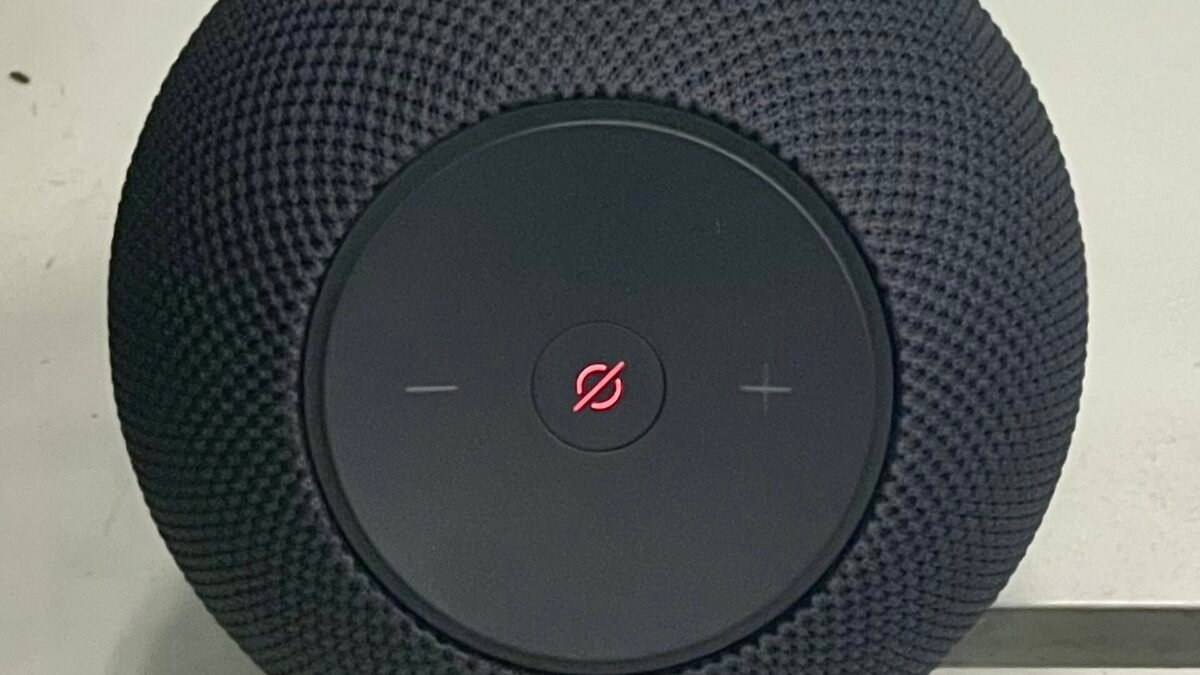
Amazon’s new Echo Dot works as a smart home hub, something Amazon says is a first for the Echo Dot. Amazon’s announcement of the new Echo speakers, published October 28, 2026, says it “comes with a built-in smart home hub with support for Zigbee, Matter, and Thread to control thousands of compatible devices right out of the box.” It went on sale the same day at $99.99.
Other Echo models already have hubs, and Amazon’s developer documentation lists them. So before you buy a Dot to get a hub, check whether an Echo you already own is on those lists. Below is what Amazon’s own pages say, read on October 28, 2026.
What Amazon says the new Echo Dot adds
Amazon’s roundup of the new Alexa devices says that “for the first time, it includes a built-in smart home hub,” so Alexa connects to compatible devices “such as lights, locks, and thermostats.” The speaker announcement adds that the Dot can connect and control those devices “without needing a separate hub.”
Three other changes matter for a smart home buyer:
- Wi-Fi extender. The speaker announcement says a built-in eero Wi-Fi extender “adds up to 1,000 square feet of coverage to your existing eero network.” Amazon’s roundup says “your existing network” without naming eero. Until Amazon says otherwise, treat the extender as an add-on for homes that already use eero.
- Room sensing. Amazon says Omnisense lets the Dot detect “room temperature and presence,” for example turning up the thermostat when the room is too cold or turning on the lights as you walk in.
- Alexa+. Amazon’s announcements say “certain features require Alexa+, which is included with a Prime membership.”
What Zigbee, Thread and Matter mean on an Echo
The three names cover different jobs. Amazon’s Zigbee developer page says Echo hubs support Zigbee versions 1.2 and 3.0, with device types “such as in-wall switches, plugs, outlets, lights, and locks.” Amazon says that after you set up a Zigbee-enabled Echo, you connect those devices by asking Alexa to discover them, and the Echo discovers and sets them up.
Thread is what Amazon calls “an IPv6 wireless-mesh-networking technology,” and many Matter devices use it. Amazon’s Matter developer page says “before connecting devices using Matter over Thread, a Thread border router must commission Thread-based smart home devices.” In other words, a Matter device that runs on Thread needs a Thread border router somewhere in your home.
Matter itself is the common language. The same page says Matter-compatible Echo devices support “Matter over Wi-Fi and Matter over Thread,” and its list of Matter-compatible Echos is much longer than its list of hubs. For the basics of the standard, see our explainer on what Matter is and why it matters for your smart home.
Echo models Amazon already lists as hubs
Amazon’s developer pages keep two lists: Echo and eero devices that “have built-in smart home hubs that connect and control Zigbee smart devices,” and devices that “also have thread border routers built-in.” Both pages were last modified on October 22, 2026, six days before the new Dot was announced, so it does not appear on them yet. The Echo models on the lists are the same:
| Echo model (as Amazon names it) | Zigbee hub | Thread border router |
|---|---|---|
| Echo (4th Gen) | Yes | Yes, Thread 1.1 |
| Echo Dot Max (2025 release) | Yes | Yes, Thread 1.3 |
| Echo Hub | Yes | Yes, Thread 1.3 |
| Echo Plus (2nd Gen) | Yes | Yes, Thread 1.3 |
| Echo Show 21 | Yes | Yes, Thread 1.3 |
| Echo Show 15 (2nd Gen) | Yes | Yes, Thread 1.3 |
| Echo Show 11 (2025 release) | Yes | Yes, Thread 1.3 |
| Echo Show 10 (3rd Gen) | Yes | Yes, Thread 1.3 |
| Echo Show 8 (3rd Gen, 2025 release) | Yes | Yes, Thread 1.3 |
| Echo Studio (1st Gen and newer, 2025 release) | Yes | Yes, Thread 1.3 |
Two things stand out. The Echo Dot Max from 2025 is already on both lists, so “first time” applies to the regular Echo Dot, not to every Dot-branded speaker. And several popular models, including Echo Dot (2nd Gen and newer), Echo Pop and Echo Show 5, appear on Amazon’s Matter list but not on the Zigbee or Thread lists.
Amazon’s announcements for the other new devices, the Echo Show 16, Echo Time and Alexa Photo Frame, do not mention Zigbee, Thread or Matter. If hub support decides your purchase, wait for Amazon’s developer lists or product pages to name them before you count on it.
Should you buy the new Dot for the hub?
| Your situation | What Amazon’s lists mean for you |
|---|---|
| You own an Echo from the table above | Amazon already lists it as a Zigbee hub and Thread border router. You do not need the new Dot to add those radios. |
| Your only Echo is an older Echo Dot, Echo Pop or Echo Show 5 | These are on the Matter list but not on the hub lists. The new Dot adds Zigbee and Thread support, according to Amazon. |
| Your devices use Matter over Wi-Fi only | Amazon’s Matter page says Matter-compatible Echos support Matter over Wi-Fi. A Thread border router is needed only for devices that use Thread. |
| Your router is an eero | Amazon says the Dot’s extender adds up to 1,000 square feet to an existing eero network. |
| You use a different router | Amazon’s speaker announcement describes the extender in terms of an eero network, so do not buy the Dot for the extender alone. |
If you use another platform as well, other hubs follow the same logic: see what Apple’s Home devices need for a hub and Matter and what SmartThings local control changes on Samsung’s hubs.
How we checked: on October 28, 2026 we read Amazon’s announcements of the new Alexa devices, the Echo Dot and Echo Studio with Home Camera, the Echo Show 16, Echo Time and Alexa Photo Frame, plus Amazon’s developer pages on Matter and Zigbee support. We also read Engadget’s and 9to5Google’s launch coverage. Amazon’s product listing could not be read by our tools, so prices and specifications come from Amazon’s announcements. DecodeGear has not tested the new Echo Dot.
Leave a Reply