If you have ever bought a smart bulb, a plug, and a speaker from three different brands and then discovered they refuse to work together, you have run headfirst into the smart home’s oldest problem: fragmentation. Matter is the industry’s attempt to finally fix it. Here is what it actually is, what it does for you, and where it still falls short.
The problem Matter is trying to solve
For years, the smart home was a mess of competing standards. A device might work with Amazon Alexa but not Google Home, or need its own separate app, or speak a wireless language your hub did not understand. You practically needed a spreadsheet to know what worked with what — and buying the wrong thing meant a gadget stranded in its own little island.
Matter is a universal connectivity standard backed by the biggest names in tech — Apple, Google, Amazon, Samsung, and hundreds of others. The idea is simple and overdue: a Matter-certified device should work with any Matter-compatible system, regardless of brand. Buy a Matter bulb and it should pair with Alexa, Google Home, and Apple Home alike.
What Matter actually does for you
In plain terms, Matter is a common language. Instead of every company inventing its own way for devices to talk, they all agree to speak Matter. That unlocks a few very practical benefits:
- Cross-brand compatibility. Mix and match devices from different makers without checking a compatibility list every time.
- Simpler setup. Many Matter devices pair by scanning a QR code, and can be added to multiple platforms at once rather than trapped in a single app.
- Local control. Matter devices can often talk to each other directly inside your home, so basic actions keep working even if your internet goes down — and they tend to respond faster.
Where Thread fits in
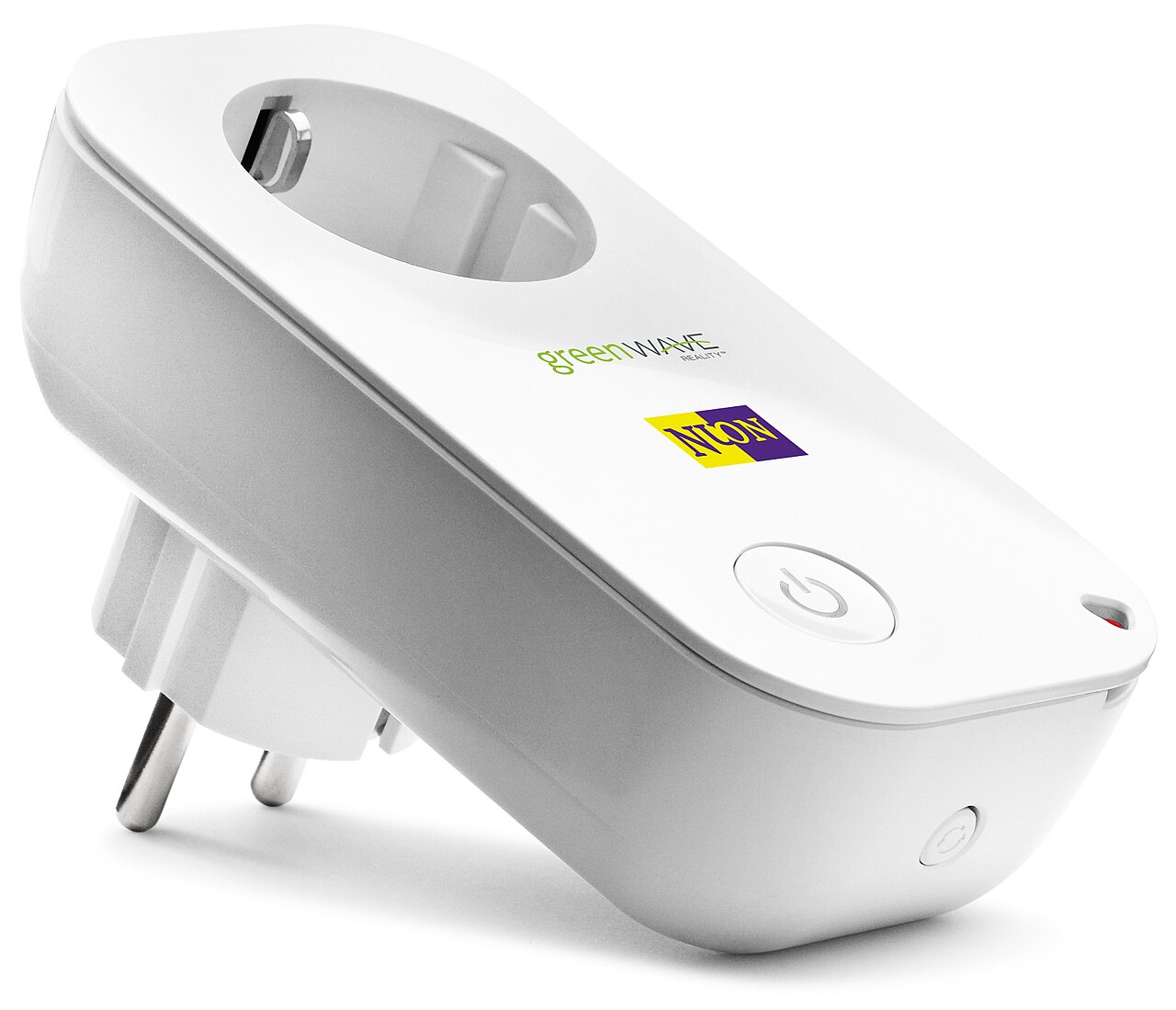
You will often see “Matter” and “Thread” mentioned together, and they are not the same thing. Matter is the language devices speak; Thread is one of the roads that language can travel on. Thread is a low-power wireless network designed for small smart-home gadgets, and it has a clever trick: it forms a self-healing mesh, where mains-powered devices (like plugs and bulbs) relay signals for each other, extending range and reliability across your home.
The upshot is that a Thread-based Matter setup can be more responsive and robust than one leaning entirely on Wi-Fi — and it does not flood your Wi-Fi network with dozens of chatty devices. To use Thread, you need a “Thread border router,” which is already built into many modern smart speakers and hubs.
Do you need a hub?
It depends on the device. Some Matter gadgets connect over Wi-Fi and need no hub at all. Thread-based devices need a Thread border router somewhere in your home — but again, that is often already inside a smart speaker or display you may own. If you are just starting out, a Matter-ready hub or speaker is the simplest foundation, and our guide to building a smart home walks through where to begin.
The honest limitations
Matter is genuinely good news, but it is not magic, and the marketing oversells it. A few realities to keep in mind:
- It is still maturing. Support rolled out device category by device category. Bulbs, plugs, and sensors came first; some more complex products (like certain cameras and appliances) arrived later or are still catching up.
- “Works with Matter” does not mean every feature works everywhere. A device’s advanced, brand-specific features may still require its own app. Matter guarantees the basics work across platforms — not every bell and whistle.
- Older devices may never support it. Some can be updated to Matter with a software patch; many cannot, so your existing gear might stay outside the club.
None of this is a dealbreaker — it just means Matter is a strong foundation to build on, not an instant fix for a smart home that already feels slow or unreliable.
It is also worth clearing up how Matter relates to older smart-home names like Zigbee and Z-Wave. Those are competing wireless standards that powered many hubs for years, each needing its own bridge and rarely talking to the others. Matter does not replace them overnight, but it sits above that mess as a common layer — and many existing hubs can now expose their Zigbee or Z-Wave devices to Matter, letting older gear join the unified system through a software update. In other words, Matter is less about throwing everything out and more about finally tying the tangle together.
Getting started without the headache
If Matter has you tempted to finally build (or fix) a smart home, a little planning saves a lot of frustration. Start with the controller you already lean on — whichever voice assistant or phone ecosystem you use most — and confirm it supports Matter; most modern speakers and displays do. That becomes the brain everything else connects to.
Next, add devices one category at a time rather than buying a dozen gadgets at once. Smart plugs and bulbs are the easiest, cheapest place to begin: they are inexpensive, broadly supported, and instantly useful for lamps, fans, and holiday lights. Get those working reliably before you move on to sensors, locks, or thermostats. Building slowly means that when something misbehaves, you know exactly which device to blame instead of staring at a wall of blinking gadgets.
Finally, note the model of anything you buy and whether it supports Thread. Scattering a few mains-powered Thread devices around your home strengthens the whole mesh, so later gadgets connect more reliably and respond faster. A little structure up front turns the smart home from a weekend of troubleshooting into something that genuinely fades into the background and just works — which was the whole point of Matter in the first place.
Should you buy Matter devices now?
Yes — when you are adding new gear, choosing Matter-certified products is the safest bet for the future. It keeps your options open, so you are not locked into one company’s ecosystem and can switch platforms later without rebuying everything. A good starting point is a smart home starter kit built around the standard.
You do not need to rip out and replace what already works. But for anything new, look for the Matter logo — it is the closest the smart home has come to “it just works,” and it only gets more useful as more devices join.
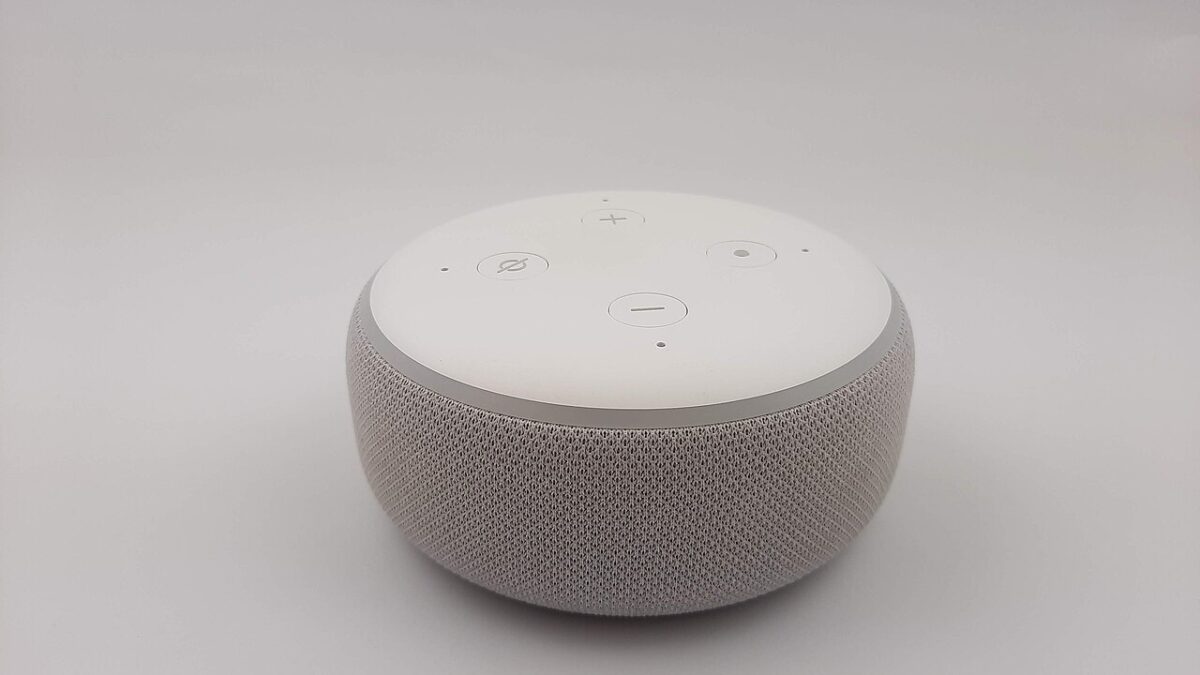
Featured image: Echo Dot smart speaker by Smart Home Perfected, Wikimedia Commons (CC BY 2.0)
Deixe um comentário