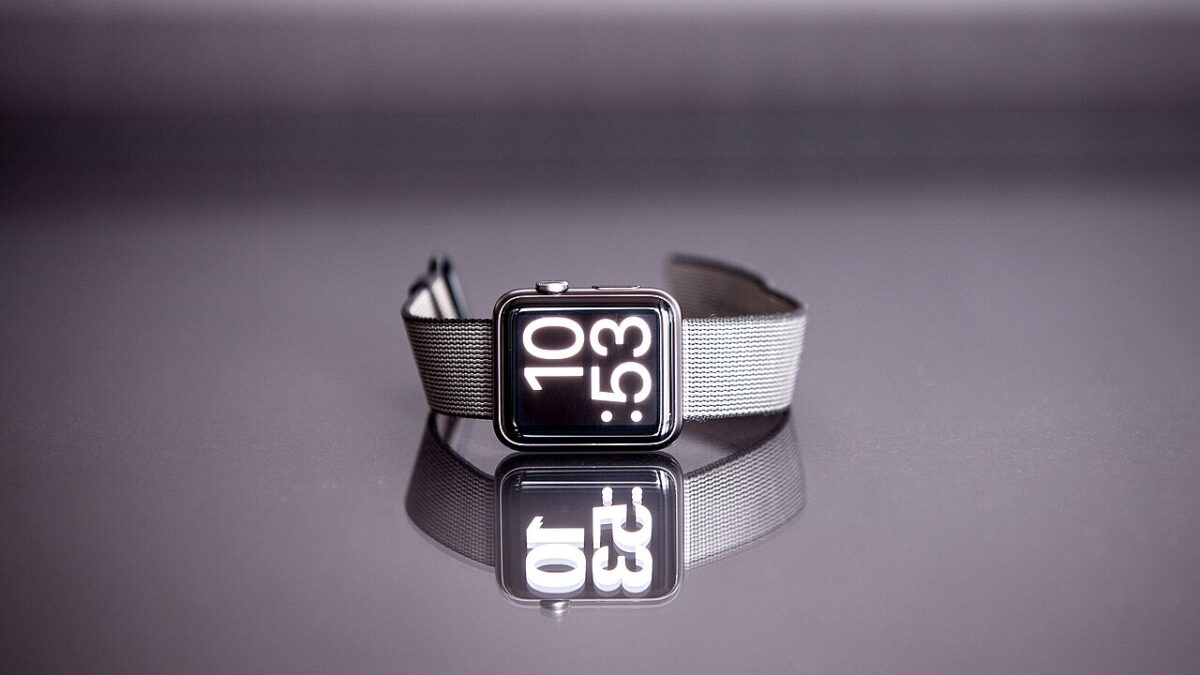
Your smartwatch flashes a heart rate mid-workout and you take it as gospel — but then it reads 20 beats too low during sprints, or spikes for no reason while you sit still. Wrist heart-rate tracking is genuinely useful, yet it is also frequently, predictably wrong. Understanding how it works tells you exactly when to trust the number and when to shrug it off.
How your watch “sees” your pulse
Flip your smartwatch over and you will see little green lights and a sensor. That is an optical heart-rate monitor, and it uses a technique called photoplethysmography — a mouthful that simply means “measuring blood flow with light.”
Here is the idea: your blood absorbs green light. Every time your heart beats, a pulse of blood flows through the vessels in your wrist, and the amount of green light absorbed changes ever so slightly. The sensor shines light into your skin, measures how much bounces back, and counts those rhythmic fluctuations to estimate your heart rate. It is clever, non-invasive, and works continuously — but it is an estimate based on light bouncing off your skin, not a direct electrical reading of your heart.
Why it gets things wrong
Because it depends on clean optical signals, anything that disturbs those signals throws it off. The usual culprits:
- A loose fit. This is the number-one cause. If the watch bounces or lets in ambient light, the sensor loses the signal. It should sit snug, about a finger’s width above the wrist bone — not sliding around near your hand.
- Vigorous, jerky movement. High-intensity intervals, weightlifting, and anything that flexes your wrist create “motion artifacts” that confuse the sensor. This is why your watch is often least accurate exactly when your heart rate is changing fastest.
- Cold skin and poor circulation. In cold weather your blood vessels constrict, weakening the signal the sensor relies on.
- Tattoos and skin tone. Dense ink can block the light, and green light is absorbed differently across skin tones, which can affect reliability — something the industry has worked to improve but not fully solved.
How it compares to a chest strap
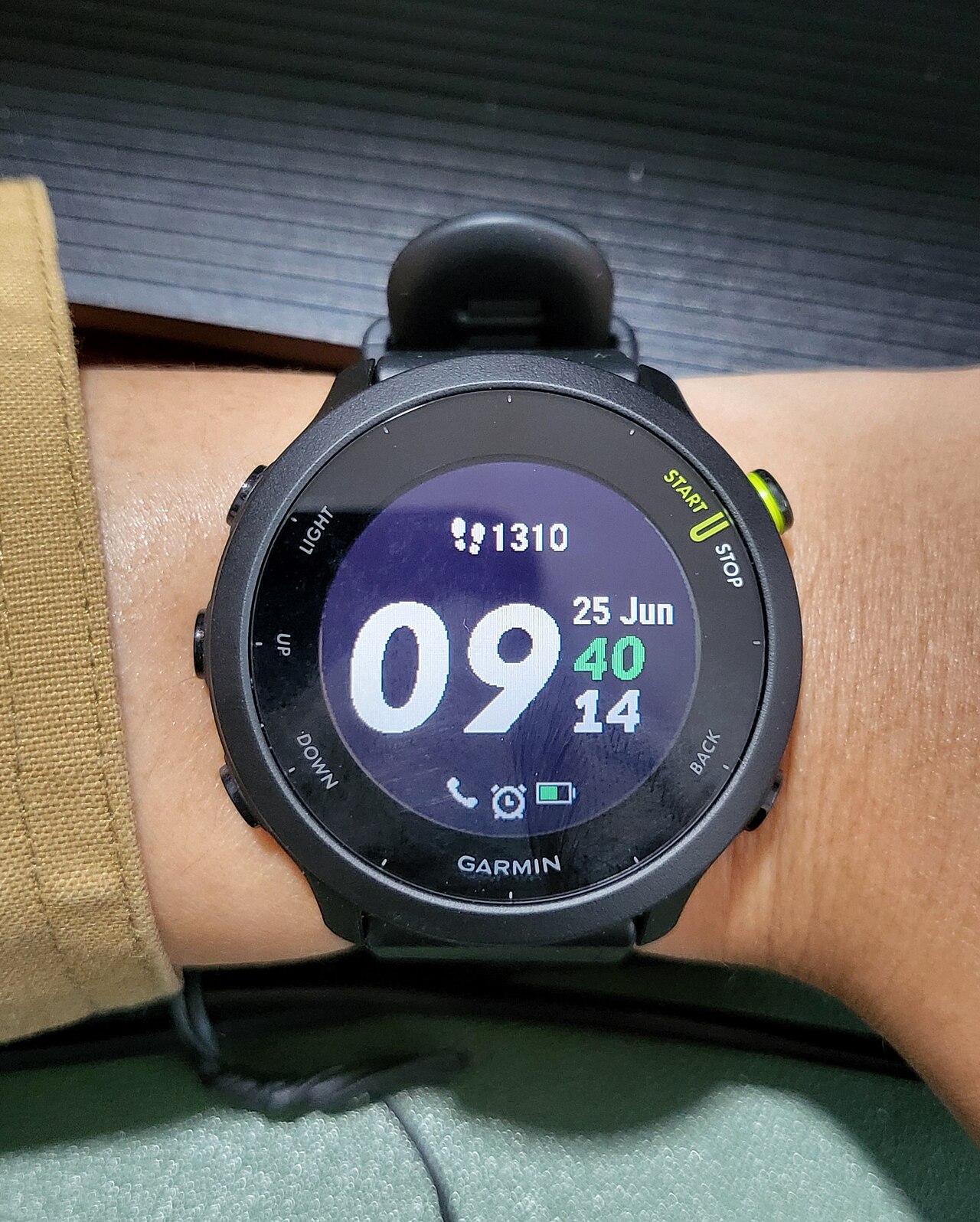
The gold standard for consumer heart-rate tracking is not a watch at all — it is a chest strap. Chest straps use electrical signals (the same kind a medical ECG reads) to detect each heartbeat directly, and they are dramatically more accurate during intense or fast-changing exercise. Serious runners and cyclists still use them for exactly this reason.
Wrist sensors have closed the gap for steady-state activity — a jog, a walk, resting measurements — but during sprints and heavy lifting, a chest strap will run circles around your watch. If precise, real-time heart-rate zones matter to your training, that is the upgrade to consider. For everyone else, the wrist is more than good enough.
What your watch is actually great at
Here is the reassuring part: accuracy in a single moment matters less than you think. Where wrist sensors genuinely shine is trends over time. Your watch is very good at spotting patterns — a resting heart rate that is slowly dropping as you get fitter, an unusually high reading that hints you are getting sick or under-recovered, or a long-term shift worth mentioning to a doctor.
It is the same lesson as with sleep tracking: do not obsess over any one number, but do pay attention to the direction it is heading. A resting heart rate that creeps up over a week tells you something real, even if any single beat-per-minute reading is fuzzy.
Beyond workouts: resting rate and alerts
Heart-rate tracking is not just a workout feature — some of its most valuable uses happen when you are sitting still. Your resting heart rate, measured while you are calm or asleep, is one of the best simple indicators of fitness and overall health. As you get fitter it tends to drift lower over weeks and months, while a sudden jump can be an early hint that you are getting sick, poorly rested, or overtrained. Because your watch measures it continuously and quietly, it is well placed to catch those slow changes you would never spot yourself.
Many watches also watch for unusually high or low readings while you are inactive and will nudge you if something looks off. Some go further with irregular-rhythm notifications designed to flag potential signs of conditions like atrial fibrillation. These are screening tools, not diagnoses — meant to prompt a conversation with a doctor, not replace one — but they have genuinely pointed people toward problems they did not know they had.
The same “trends over moments” rule applies here. A single odd reading while you are stationary is usually just the sensor struggling with a loose fit. A pattern — a resting rate that climbs for several days, or repeated alerts — is what deserves attention. Used as a long-term monitor rather than a moment-to-moment gospel, your wrist becomes a surprisingly powerful little early-warning system.
How to get more accurate readings
- Tighten the band before a workout and loosen it after — snug during exercise is the single biggest fix.
- Wear it in the right spot, above the wrist bone, not down by your hand.
- Warm up your hands in cold weather, or tuck them in for a minute before checking.
- Keep the sensor clean and dry — sweat, sunscreen, and grime all interfere.
- For serious training, pair a chest strap; many watches connect to one over Bluetooth and use its data instead.
If you are shopping and accuracy matters, it is worth comparing models — our guides on smartwatch vs fitness tracker and the best smartwatches under $200 break down which do the fundamentals well.
It also helps to update your watch’s software when prompted — manufacturers regularly refine their heart-rate algorithms, and a newer version can improve accuracy on hardware you already own. And remember that no wrist wearable is a medical device: even at its best it is built for general wellness and fitness, not clinical diagnosis. Use it to guide your training and flag things worth checking, but take any genuine health concern to a professional with proper equipment.
The bottom line
Your smartwatch estimates your heart rate by shining light through your skin, which is impressive but easily disrupted — by a loose band, jerky movement, or cold hands. Treat a single mid-sprint number with a grain of salt, trust the long-term trends, and tighten that strap. Used that way, it is one of the most genuinely useful health tools on your wrist.
Deixe um comentário