Here’s a morning most of us have lived: your smartwatch flashes a sleep score of 58, tells you that you barely touched deep sleep, and warns you to “take it easy today.” Except you feel fantastic. You woke up before the alarm, clear-headed, ready to run. So who’s right — the little computer on your wrist, or the human attached to it?
Spoiler: your body is usually the better judge. The number on the screen is a smart guess, not a measurement — and once you understand how that guess gets made, you’ll never panic over a bad sleep score again.
Your wrist doesn’t actually watch you sleep
This is the part that surprises people. A wristband can’t see your brain, and sleep is fundamentally a brain event. So instead of measuring sleep, your tracker infers it from two clues it can pick up from the outside.
The first is movement. A tiny accelerometer — the same kind of chip that knows when you rotate your phone — logs how still you are. Long stretches of stillness look like sleep; tossing and turning looks like wake. This trick is called actigraphy, and it’s been around for decades.
The second clue is your heart. The green light on the back of the watch is a PPG optical sensor, and it tracks your heart rate and heart-rate variability through the night. As you drift between light, deep, and REM sleep, your heart rhythm shifts in patterns the algorithm tries to recognize. Some devices pile on extra signals too — blood oxygen, skin temperature, breathing rate — to sharpen the picture.
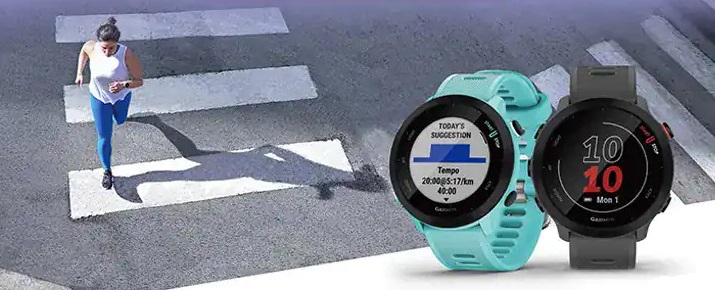
Then a proprietary machine-learning model takes all that raw movement and heart data and spits out tidy percentages: 22% deep, 18% REM, and a score out of 100. It looks clinical. It isn’t. It’s a statistical estimate dressed up as a diagnosis. If you’re still deciding what to strap on in the first place, our breakdown of a smartwatch versus a dedicated fitness tracker is a good place to start, because the sensor package matters more than the marketing.
The “did you know” moment: what the science actually found
Here’s where it gets genuinely interesting. In a 2024 study, researchers put 35 healthy adults through a night in a sleep lab wearing three of the most popular devices — an Oura Ring Gen3, a Fitbit Sense 2, and an Apple Watch Series 8 — and compared them against polysomnography, the gold-standard clinical setup that wires you up to read brain waves, eye movement, and muscle activity.
The headline result is a plot twist. At simply telling asleep from awake, all three devices were excellent: sensitivity was 95% or higher across the board. That part your watch nails.
But the sleep-stage breakdown — the deep-versus-REM-versus-light percentages people obsess over — was a different story. Stage sensitivity ranged from roughly 50% to 86%. The Oura Ring landed around 76.0–79.5%, the Fitbit between 61.7% and 78.0%, and the Apple Watch swung wildly from 50.5% all the way up to 86.1% depending on the stage. Measured by Cohen’s kappa (a score for how well two methods agree), the four-stage agreement was moderate at best: Oura 0.65, Apple 0.60, Fitbit 0.55. A broader review across many devices found kappa values as low as 0.21 to 0.53 — fair, at best.
Translation: the number telling you exactly how much deep sleep you got is the least trustworthy number on the whole screen.
Why every brand gives you a different number
Put an Oura ring on one hand and an Apple Watch on the other, sleep one night, and you’ll often get two different verdicts. That’s not a malfunction — it’s baked into how these things work.
Each company uses its own sensor mix and its own secret scoring formula. The algorithms are proprietary and undisclosed; brands almost never publish their raw data or the logic behind the score. So two devices watching the identical night will weigh your movement and heart data differently and reach different conclusions. There’s no shared industry standard, which means the absolute numbers simply aren’t comparable across brands. Your friend’s 91 and your 74 aren’t measuring the same thing on the same scale.
It also explains the “I slept great but my score is terrible” effect. Devices that lean heavily on movement are brilliant at spotting sleep — sensitivity in the 91–98% range — but poor at catching the moments you were awake, with wake specificity as low as 30–61%. Lie still while reading and the tracker cheerfully logs it as sleep. The reverse hurts too: uncertain moments often get dumped into the “light sleep” bucket, quietly shortchanging your deep and REM totals. Rings try to sidestep the wrist’s quirks with a tighter fit — if that approach intrigues you, our guide to choosing a smart ring in 2026 digs into the trade-offs.
So what is your tracker good for?
Quite a lot, actually — as long as you read it the right way. That rock-solid 95%-plus sensitivity for sleep versus wake means your device is genuinely reliable at the basics: when you fell asleep, when you woke, and roughly how long you were out. Total sleep time and bedtime consistency are the signals worth trusting.
And the real magic isn’t any single night — it’s the trend. One reading is noisy; three weeks of readings tell a story. Are you drifting to bed later and later? Is your total sleep creeping down during a stressful stretch? Is your bedtime finally getting regular? Those patterns are where a tracker earns its keep, and they’re far more useful than fretting over whether last night’s deep sleep was 14% or 19%. Independent tests put staging accuracy for movement-plus-heart devices around 70–78% — good enough to spot a trend, not good enough to diagnose anything.
That last word matters. A wearable can flag a pattern worth mentioning to a doctor, but it cannot diagnose a sleep disorder — that still takes a clinical polysomnography setup. If your affordable band nails the fundamentals, that’s honestly all most people need; our Fitbit Charge 6 review makes the case that you don’t need a flagship price tag to get reliable sleep-and-wake tracking.
The takeaway: trust the trend, not the trophy
Your sleep score isn’t lying to you — it’s just doing something harder than it lets on, guessing at your brain from the outside and rounding the uncertainty into a confident-looking number. Use it as a gentle nudge: a prompt to notice your habits, spot the drift, and go to bed a little earlier this week.
But on the morning your watch says you slept badly and you feel wonderful anyway? Believe yourself. The best sleep sensor you own is still the one that wakes up feeling rested.
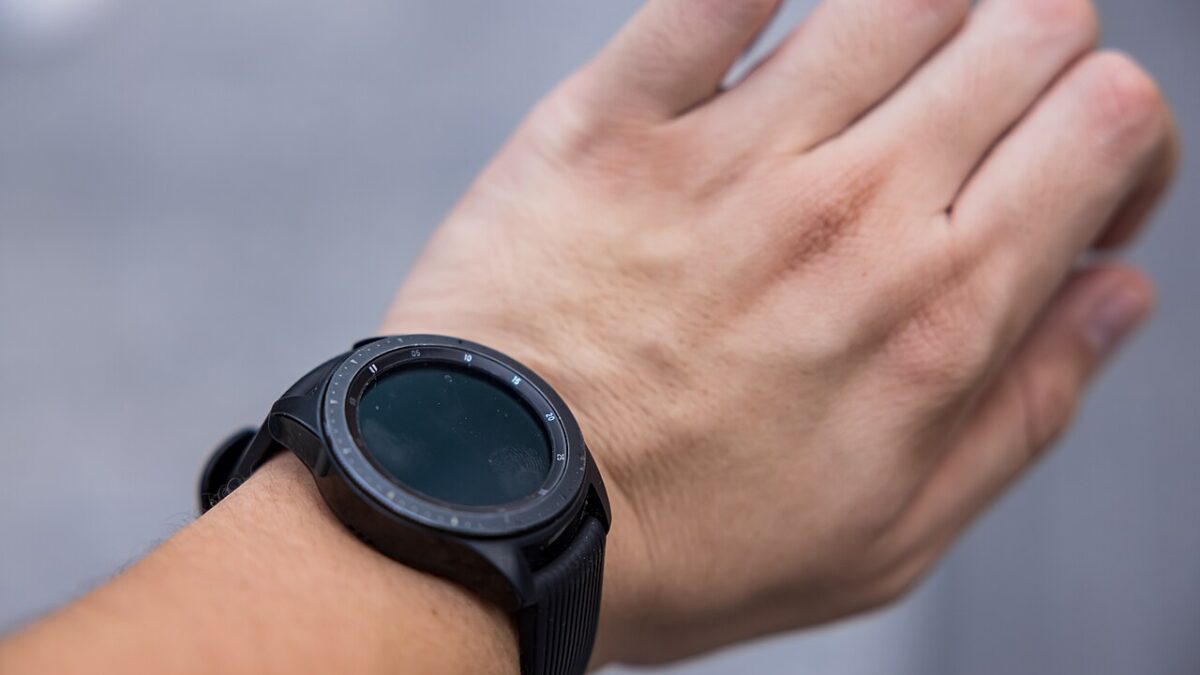
Featured image: Samsung Galaxy Watch by Dinkun Chen, Wikimedia Commons (CC BY-SA 4.0)
Deixe um comentário