Nothing Phone (4b)
From $299- Iconic Glyph Interface LED design
- Android 16 out of the box
- Good 5,200mAh battery life
- Camera sensor downgrade vs cheaper competitors
- Slow UFS 2.2 storage
- Thick asymmetrical bezels undermine the premium look
Bottom line: The Nothing Phone (4b) looks great but is undercut by cheaper Nothing models with better specs — only buy it if the Glyph design is your top priority.
PHONE REVIEW
Nothing Phone (4b) Review — The Best Budget Android Under $300?
Nothing built its entire brand on looking different. The Glyph Interface — those mesmerizing LED strips on the back of the phone — is genuinely unlike anything else on the market, and for a lot of people that’s enough reason to be interested. So when Nothing announced the Phone (4b) as their most affordable Glyph phone yet, starting at $299, the excitement made sense. A budget phone that actually has a personality? Sign me up.
But here’s the honest truth after spending time with this phone: the (4b) is one of the most perplexing value propositions in Nothing’s own lineup. Not because it’s a bad phone — it isn’t — but because Nothing sells other phones that cost the same or less and offer better specs in almost every measurable way. That’s a strange situation for a company to be in, and it’s the central question this review is going to answer: who, exactly, is the Nothing Phone (4b) for?
Disclosure: This article contains affiliate links. If you buy through our links, we may earn a commission at no extra cost to you.
Best for: Nothing fans who want the Glyph experience at the lowest possible entry price and can live with the spec trade-offs.
Design & Display — Where Nothing Still Wins
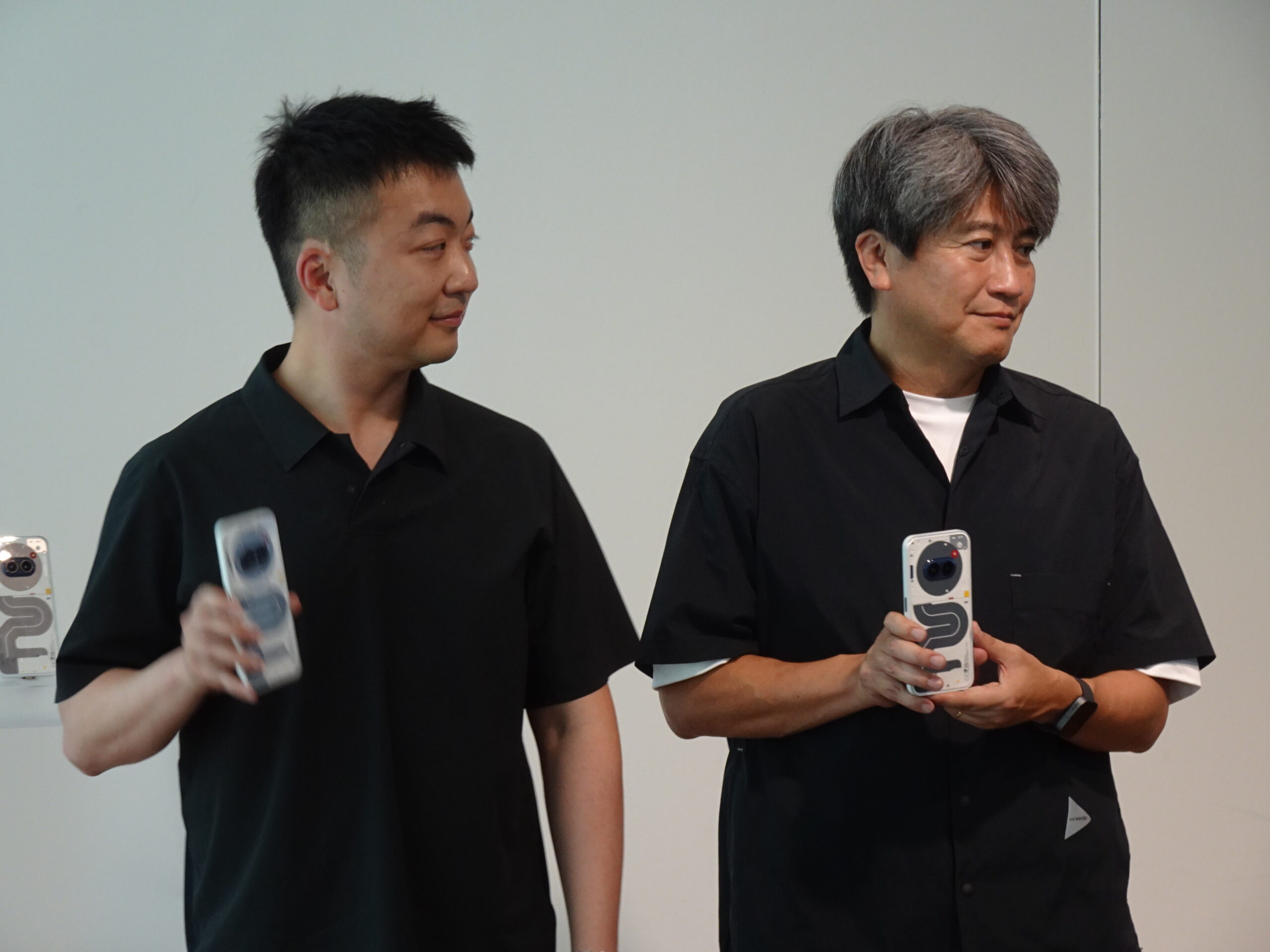
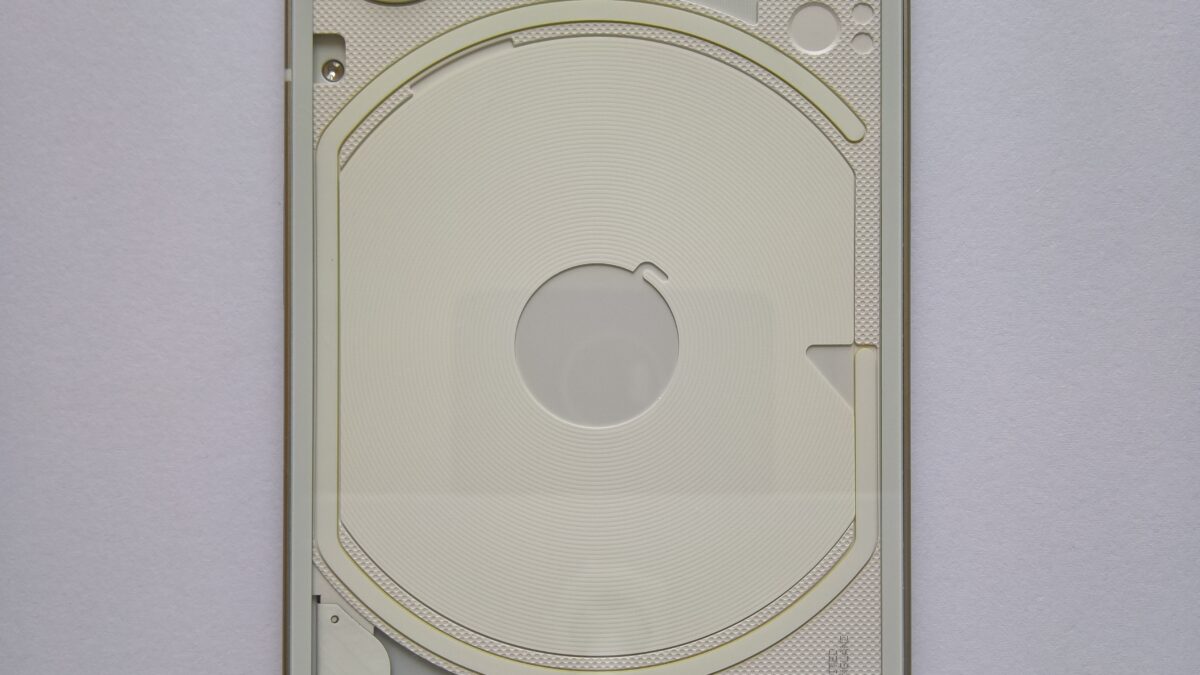
If there’s one category where Nothing earns its price tag no questions asked, it’s design. The transparent back with the Glyph Interface LEDs is still one of the most distinctive looks in smartphones. The (4b) brings that aesthetic to a lower price point, and it genuinely works — in a world of identical glass rectangles, pulling a Nothing phone out of your pocket gets noticed.
The Glyph system itself has grown more capable over the years. You can assign different light patterns to contacts, use it as a silent notification system, or just let it pulse to music. It’s fun in a way that actual flagship features rarely are. If you care about your phone expressing some personality, the (4b) delivers.
The display is a 6.77-inch AMOLED panel running at 120Hz with a resolution of 2344×1088. On paper, that sounds solid. In practice, the experience is somewhat undermined by noticeably thick bezels — and asymmetrical ones at that, with the chin visibly larger than the top. For a phone that’s supposed to feel premium and intentional in its design, that inconsistency is hard to ignore. At $299 in 2026, you shouldn’t be squinting at uneven borders.
Peak brightness is marketed at 2,000 nits, which sounds impressive. Real-world sustained outdoor brightness, however, falls below what you’d expect from that headline figure. Overcast days are fine; direct noon sunlight can be a struggle.
Performance — Good Enough, Not Great
The Nothing Phone (4b) runs on the Snapdragon 6 Gen 4, paired with 8GB of RAM. This is a capable mid-range chip that handles everyday tasks — social media, streaming, navigation, casual gaming — without complaint. Nothing OS, which sits on top of Android 16, is clean and fast. Getting Android 16 out of the box in 2026 is genuinely a plus at this price, and Nothing’s software is among the least bloated you’ll find on an Android.
Where performance takes a hit is storage. The (4b) ships with UFS 2.2 flash storage, and that’s a real problem in 2026. Most phones in this price bracket — and plenty of cheaper ones — have moved on to UFS 3.1 or UFS 4.0. UFS 2.2 means slower app installs, longer load times for heavy apps, and noticeably sluggish file transfers. If you’re someone who moves a lot of photos or installs large games, you’ll feel this. We have a full breakdown of why UFS 2.2 and storage performance matter more than most buyers expect.
This isn’t a deal-breaker for light users, but it’s a spec decision that’s hard to justify when competitors — including Nothing’s own phones — use faster storage at the same or lower price.
Camera — The Biggest Disappointment
Here’s where the (4b) review gets genuinely difficult to write, because the camera situation is embarrassing for a $299 phone in 2026.
The primary camera uses a 50MP Samsung ISOCELL JN1 sensor with a 1/2.76-inch sensor size. Here’s the problem: the CMF Phone 2 Pro — which costs less than the (4b) — uses the Samsung ISOCELL GN9 with a 1/1.56-inch sensor. The Nothing Phone (3a) lite also uses a larger sensor. Larger sensor = more light gathered = better photos in low light and more natural background blur. The (4b) is shipping with a smaller sensor than cheaper phones in the same brand family. That’s a spec regression that’s hard to spin positively.
In good light, the 50MP main camera produces clean, vibrant shots — Nothing has done solid tuning work and the images look pleasing on social media. But push it into dim indoor lighting or evening shots and the smaller sensor shows. Dynamic range suffers, shadow noise creeps in, and the results are a noticeable step behind what you’d get from the CMF Phone 2 Pro at a lower price.
The 8MP ultrawide is functional but not remarkable — it’s there when you need it and not much more than that. The 16MP selfie camera on the front is one of the better front shooters at this price, producing natural skin tones with decent detail.
If camera quality is important to you — and in 2026, it usually is — there are better options at this price, including from Nothing itself.
Battery Life — The Genuine Bright Spot
This is where the (4b) earns back some goodwill. The 5,200mAh battery is large, and combined with the efficiency of the Snapdragon 6 Gen 4 and Nothing’s optimized software, real-world battery life is excellent. Heavy users regularly hit a full day with battery to spare. Light to moderate users could easily push into day-and-a-half territory without anxiety.
If you’re the kind of person who’s constantly hunting for a charger by 4pm, the (4b) fixes that problem convincingly. It’s one of the least stressful phones to travel with in this regard.
Charging speeds are adequate — not fast by 2026 flagship standards, but reasonable for the segment. Wireless charging is present, which is a welcome inclusion at this price.
How It Compares to the Competition
Let’s be direct about this, because comparison shopping is where the (4b) gets complicated.
The Nothing Phone (4a) — at a very similar price — has three rear cameras including a 50MP telephoto lens, a better selfie camera, a higher-resolution display, a faster processor, faster storage, and better water resistance. If you’re shopping Nothing at this price, the (4a) is the smarter pick almost across the board. The only thing the (4b) offers in return is… also the Glyph Interface, which the (4a) also has.
The Google Pixel 9a offers a stronger camera system backed by Google’s computational photography, guaranteed long-term software support, and Google’s clean Android experience. If photos matter to you, the Pixel 9a is the more capable tool at a similar price.
The Motorola Moto G Power 2026 comes in lower on price, delivers impressive battery life, and offers solid value for straightforward everyday use without the style premium.
Need to compare flagships further up the chain? Our Pixel 10 Pro vs. Galaxy S26 comparison covers what you’d be upgrading to if you want to step up.
Who Should Buy the Nothing Phone (4b)?
Honest answer: a narrow audience.
If you are completely sold on the Glyph Interface as a feature — you want the LEDs, you want the unique back design, and you’ve decided that’s your priority — the (4b) gets you into that ecosystem at the lowest price point available. Android 16 out of the box, solid battery life, and genuinely clean software make it a livable daily driver.
But if you’re weighing specs, camera output, and value? The Nothing Phone (4a) is the phone to buy. It’s the better Nothing phone at the same price, full stop. And if you’re not specifically sold on the Nothing brand, the Pixel 9a is the stronger all-around choice.
The (4b) would pair well with a pair of budget earbuds if you’re building a full Nothing ecosystem on a budget — the aesthetic coherence is real and genuinely enjoyable.
Nothing Phone (4b) Specs at a Glance
- Display: 6.77-inch AMOLED, 120Hz, 2344×1088
- Processor: Snapdragon 6 Gen 4
- RAM / Storage: 8GB RAM, 128GB or 256GB (UFS 2.2)
- Main Camera: 50MP Samsung ISOCELL JN1 (1/2.76″), 8MP ultrawide
- Front Camera: 16MP
- Battery: 5,200mAh
- OS: Android 16, Nothing OS
- Special Feature: Glyph Interface LED system
- Price: From $299
Frequently Asked Questions
Is the Nothing Phone (4b) worth buying in 2026?
It depends on your priorities. If the Glyph Interface LED design is a must-have for you, it’s a functional mid-ranger with good battery life and clean Android 16 software. However, if you’re prioritizing camera quality, storage speed, or raw value, there are better options — including other Nothing phones — at the same or lower price.
How does the Nothing Phone (4b) camera compare to competitors?
This is the (4b)’s weakest point. Its 50MP primary sensor uses a 1/2.76-inch sensor — smaller than what’s found in cheaper phones like the CMF Phone 2 Pro (1/1.56-inch sensor). In good light it performs fine, but in low light it trails behind comparably-priced alternatives. The Pixel 9a is the stronger camera choice in this price range.
What is the Glyph Interface and is it actually useful?
The Glyph Interface is a system of LEDs on the back of Nothing phones that light up in programmable patterns. You can assign specific patterns to contacts, use it as a silent notification indicator, sync it to music, or use it as a timer. It’s genuinely useful as a silent alert system and genuinely fun as a visual feature — it’s not a gimmick, but how much you value it is personal.
Which Nothing phone should I buy — the (4b) or the (4a)?
The Nothing Phone (4a) is the better choice for most people. It has three cameras including a telephoto lens, a higher-resolution display, faster processor, faster storage, and better water resistance — at a very similar price. The (4b) only makes sense if the specific design or a lower street price in your region tips the balance.
Deixe um comentário