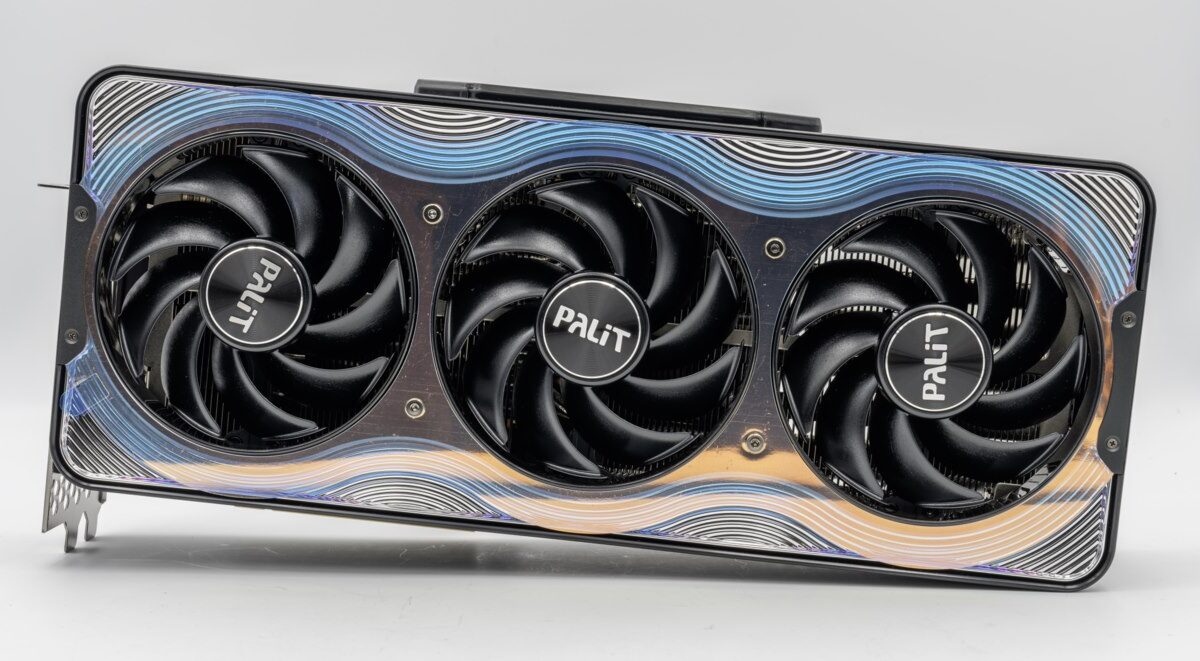
Nvidia Isn’t Launching a New GPU in 2026 — What That Means for Your Next Upgrade
For the first time in roughly 30 years, Nvidia is not expected to ship a new gaming GPU architecture in 2026. Multiple supply-chain and hardware outlets now agree on the underlying reason, and it isn’t a chip design problem — it’s a memory shortage. If you’ve been holding off on a graphics card upgrade waiting for the “next big thing,” the RTX 60 series delay changes the math, and the timeline being floated — 2028, not 2027 — is longer than most buyers assumed.
Disclosure: This post contains affiliate links. If you buy through our links, we may earn a commission at no extra cost to you.
Here’s what you’ll get from this guide: a plain-English breakdown of why Nvidia is skipping a generation, what it means if you’re shopping for a GPU right now, and the historical precedent that tells you how this kind of shortage typically plays out for buyers.
What’s Reportedly Happening: The HBM Shortage Behind the RTX 60 Series Delay
The claim shows up across enough independent outlets that it’s worth taking seriously: no new Nvidia gaming GPU architecture is landing in 2026, breaking a nearly 30-year cadence of at least one major generational release per year. That alone would be a big story. The reason behind it is the more useful part for anyone planning a purchase.
Behind that shortage is a memory crisis, not a GPU design bottleneck, according to multiple reports. Samsung, SK Hynix, and Micron have reportedly sold out their 2026 HBM (High Bandwidth Memory) production capacity to AI datacenter customers, with HBM demand projected to grow roughly 70% year-over-year. The math behind that squeeze is brutal for gaming cards: manufacturing one bit of HBM reportedly consumes about three times the wafer capacity of standard DDR5 memory. Every wafer a fab commits to HBM for AI accelerators is capacity that doesn’t go toward GDDR7, the memory type gaming GPUs actually use — so the AI boom is starving gaming supply indirectly, not through direct competition for the same chips.
The pricing damage is already visible at the top of the current RTX 50 stack. The flagship RTX 5090 has reportedly seen street pricing blow out past $4,300, and VRAM now accounts for more than 80% of the bill-of-materials cost on high-end cards — a cost structure that would have been unthinkable a few years ago, when GPU cores, not memory, drove most of the price.
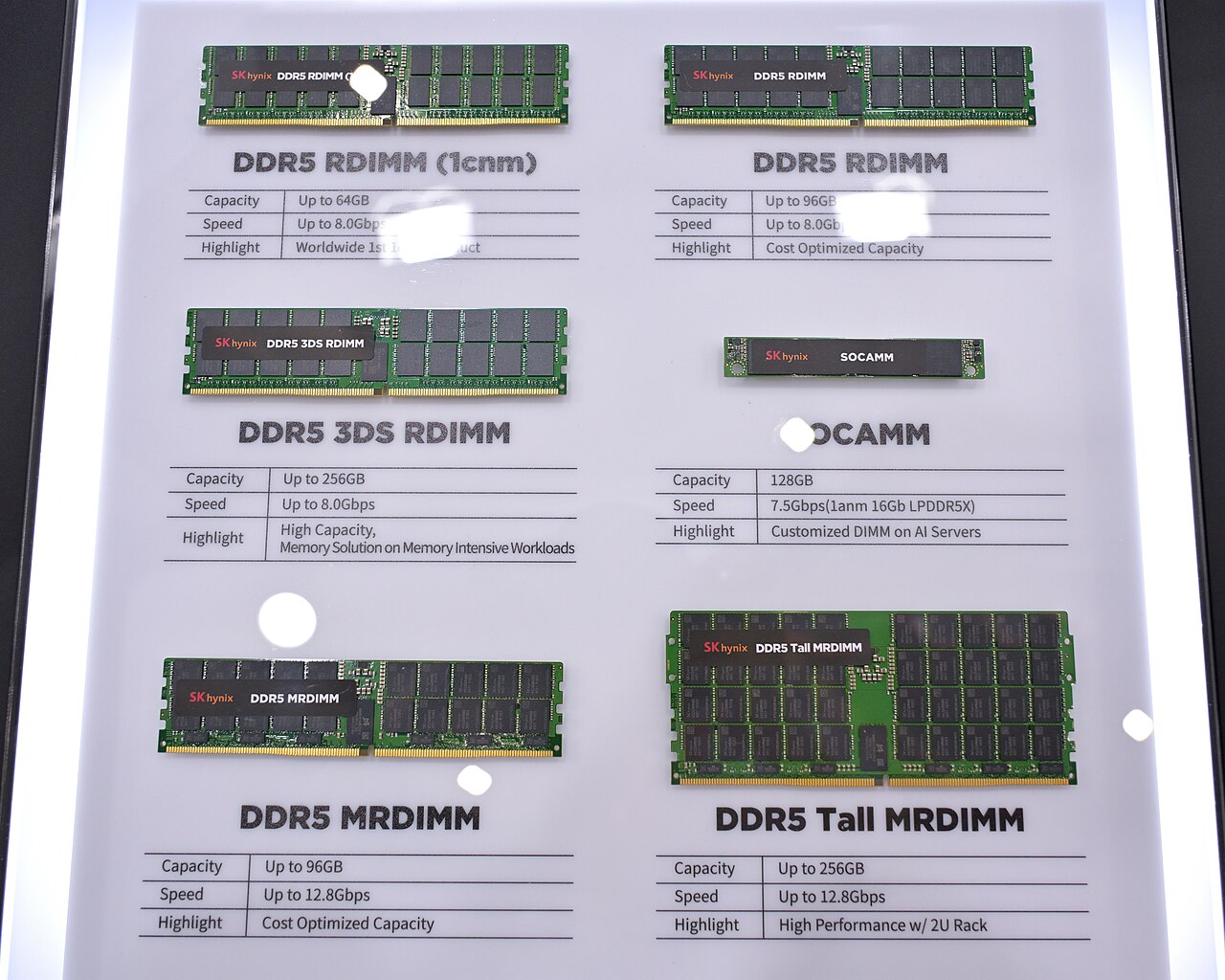
Where the story gets murkier is the exact timeline for what comes next. Some reports say the RTX 50 “Super” refresh — the VRAM-boosted midlife update we covered in our breakdown of the nearer-term RTX 50 Super refresh — has been fully shelved for 2026, while others describe it as merely slipped to CES 2027 with 18GB and 24GB variants still plausible. Either way, a genuinely new architecture — the RTX 60 series — now looks pushed to around 2028, roughly a full product cycle later than Nvidia’s historical pace.
The insight most coverage skips: Nvidia has very little financial incentive to prioritize gaming supply right now. Gaming has fallen to under 9% of Nvidia’s total revenue, with more than 91% now coming from datacenter and AI infrastructure sales, according to the company’s own reported quarterly segment breakdowns. When a wafer allocation decision comes down to a business unit worth single-digit percentage points of revenue versus one worth the overwhelming majority, the outcome isn’t really a mystery. Gamers aren’t being punished — they’re just not the priority anymore.
Should You Buy an RTX 50 Now?
If you need a GPU for a build today, buying now is a more defensible decision than it might feel like. In our analysis, the strongest signal is resale behavior: existing RTX 50 cards are holding their value noticeably better than the historical norm. Cards that would typically depreciate 20-30% within a year of launch are instead trading close to flat, because there’s no imminent successor generation threatening to make them look dated. That’s a meaningfully different risk profile than buying a GPU six months before a new architecture usually drops.
The RTX 5070 is currently running around $599 on the street against a $549 MSRP, and the RTX 5080 sits closer to $999-$1,249 depending on retailer and GDDR7 availability, against a $999 MSRP. Neither price is where anyone wants it, but both cards are performing at the level Nvidia advertised, and they’re not going to age into obsolescence in the next 12-18 months the way a GPU bought right before a real architectural jump might.
🛒 Check RTX 5070 Prices on Amazon
Should You Wait for RTX 60? Here’s the 2028 Timeline
Waiting makes sense for a narrower group than it did a year ago. If your current card is genuinely failing or you have no GPU at all, a 2028 architecture is too far out to plan around — you’ll be gaming on a laptop iGPU or a years-old card for the interim, which usually costs more in lost time and frustration than the eventual “wait” saved in dollars.
Where waiting still pays off is the budget tier, which hasn’t been swept up in the same shortage-driven price inflation as the high end. The RTX 5060 and RTX 5060 Ti 8GB, AMD’s RX 9070 XT, and Intel’s Arc B580 remain landable close to their original MSRPs, and all three are reasonable holding patterns if you want to sidestep the worst of the mid-range and flagship pricing until the picture clears up. None of them are a substitute for a 5080 or 5090 in raw performance, but they’re a legitimate way to stay current without paying the premium the shortage has attached to everything above them.
🛒 Check RTX 5080 Prices on Amazon
Pro Tip: We’ve Seen This GPU Shortage Movie Before
Buyers who lived through the last two GPU markets will recognize the shape of this one, even though the cause is different. During the 2017-18 crypto mining boom, the GTX 1080 Ti was pushed roughly 70% over its $700 MSRP, settling closer to $1,200 at the peak of mining demand. That felt bad at the time. The 2020-21 shortage was considerably worse: miners reportedly bought up around 25% of total GPU output, prices on popular cards hit roughly 4x MSRP, and the market didn’t fully normalize until 2023 — a multi-year stretch, not a temporary spike.
The mechanism this time is AI datacenter demand for HBM rather than mining demand for hash rate, but the effect on gaming GPU buyers looks familiar: a non-gaming industry with deeper pockets is absorbing the supply that would otherwise go to gamers, and prices drift upward until either supply catches up or the external demand cools off. The one meaningful difference in 2026 is that resale values are holding rather than collapsing once a shortage-driven price correction eventually arrives — worth keeping in mind if you’re deciding whether to buy now or wait out a cycle that historically has taken years, not months, to resolve.
Memory isn’t just a pricing story here, either — it directly affects how a card performs in the games you actually play, which is why memory specs matter for gaming performance beyond just VRAM capacity on the GPU itself. And if a new graphics card is anchoring a broader upgrade this year, it’s worth thinking about the rest of your setup at the same time — we’ve got guidance on pairing your setup with the right gaming gear so the GPU isn’t the only thing doing the work.
FAQ: Nvidia’s 2026 GPU Gap, Explained
Is Nvidia really skipping a GPU generation in 2026?
Multiple reports agree that no new Nvidia gaming GPU architecture is launching in 2026 — the first time that’s happened in roughly 30 years. The cited cause is an HBM and GDDR memory supply crunch driven by AI datacenter demand, not a design or engineering delay.
When is the RTX 60 series coming out?
Current reporting points to around 2028 for a genuinely new architecture. The nearer-term RTX 50 Super refresh is separately disputed — some sources say it’s shelved entirely for 2026, others say it has slipped to a CES 2027 launch window. Treat both dates as leak-based estimates until Nvidia confirms anything officially.
Why is there a GPU memory shortage in 2026?
Samsung, SK Hynix, and Micron have reportedly sold out their 2026 HBM production to AI datacenter customers, with HBM demand projected to rise about 70% year-over-year. Since HBM production consumes roughly 3x the wafer capacity of standard DDR5, that allocation squeeze reduces the manufacturing capacity available for GDDR7, the memory gaming GPUs use.
Should I buy a GPU now or wait until 2028?
If you need a card today, buying now is reasonable — existing RTX 50 cards are holding resale value better than past generations typically have, which lowers the risk of buying “too early.” Waiting mainly makes sense if you can comfortably hold out and want to avoid current shortage-driven pricing, particularly at the high end.
The Bottom Line
Nvidia’s gaming lineup isn’t broken — it’s just not the company’s priority while AI datacenter demand is soaking up the memory supply that would normally go toward new GPU generations. That’s a supply-chain story more than a product story, and it tracks with a pattern buyers have seen twice before during mining booms. The practical takeaway: an RTX 50 card bought today isn’t a bad bet the way a GPU purchase right before a real architectural leap usually is, and the budget tier still offers a reasonable way to stay current without absorbing the worst of the shortage pricing. Buy for what you need now, keep an eye on the RTX 50 Super situation heading into 2027, and treat 2028 as the earliest realistic date for anything genuinely new.
Deixe um comentário