Apple doesn’t usually announce a shopping menu redesign. So when 9to5Mac and MacObserver both quietly reported, on August 3, that Apple had rebuilt its own accessories store on apple.com and inside the Apple Store app, most people scrolled past it. That’s the wrong reaction. Look at what’s actually inside the new layout, and it reads less like a UI tweak and more like Apple finally admitting how much money it’s leaving on the table.
No press release. No keynote mention. Just a redesigned storefront that curates cases, chargers, cables, MagSafe gear, AirTags, and Beats products into themed collections — and a cross-sell engine that follows you into checkout. Small change on the surface. Bigger story underneath.
Apple’s New Accessories Store Wasn’t Really News — Until You Look Closer
Here’s what changed, according to the two outlets that first spotted it. The new Apple Accessories hub groups products into curated collections with names like “Student Life,” “Power Picks,” “Fresh Colors,” “Travel Ready,” and “Work from Home” — the kind of merchandising language you’d expect from a department store, not a hardware company that used to just list SKUs by category. Search and filtering got a real upgrade too: you can now filter by device compatibility, product type, brand, and color, instead of hunting through a flat grid.
The detail that matters most, though, is the cart behavior. Add a case to your bag, and the store now actively recommends a compatible charger or cable — the kind of cross-sell logic Amazon has run for two decades and Apple, for whatever reason, never bothered building for its own accessories. There’s also live chat with Apple Specialists built directly into the accessories shopping flow, which signals Apple wants this treated as its own retail category, not an afterthought bolted onto the iPhone page.
One caveat worth flagging: coverage so far describes this as an online storefront and Apple Store app change — not a redesign of the physical retail floor. If you walk into a real Apple Store expecting themed accessory tables, you won’t find them yet.
What’s Actually Inside Apple’s New Accessories Hub
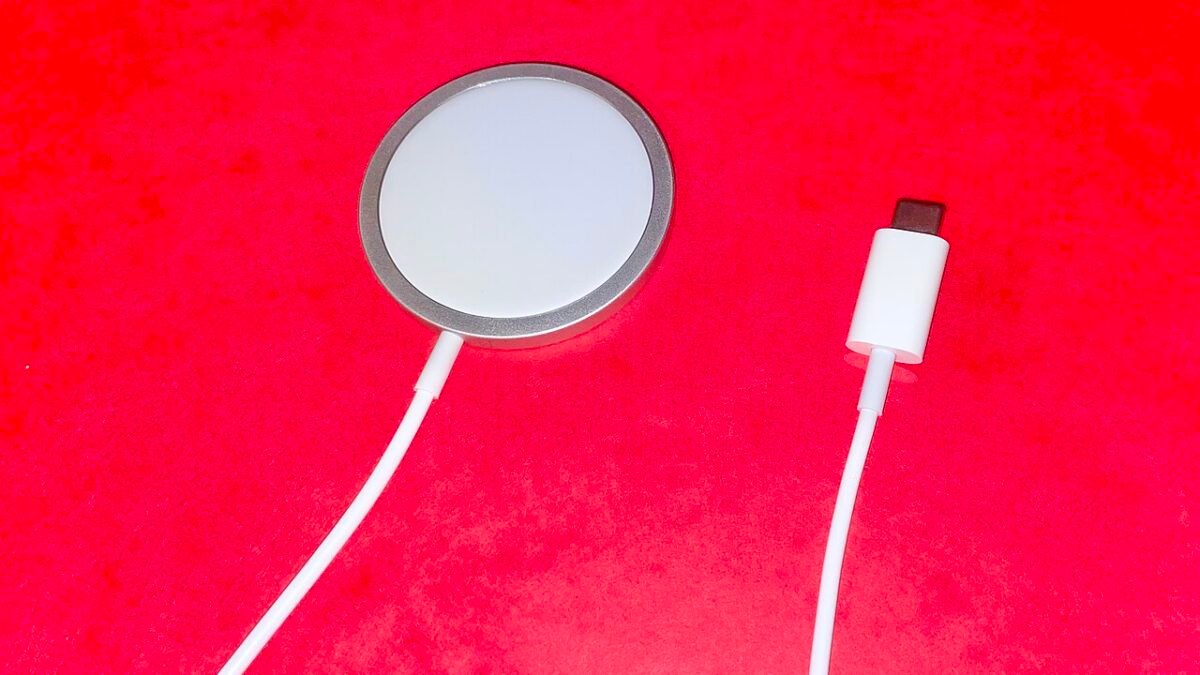
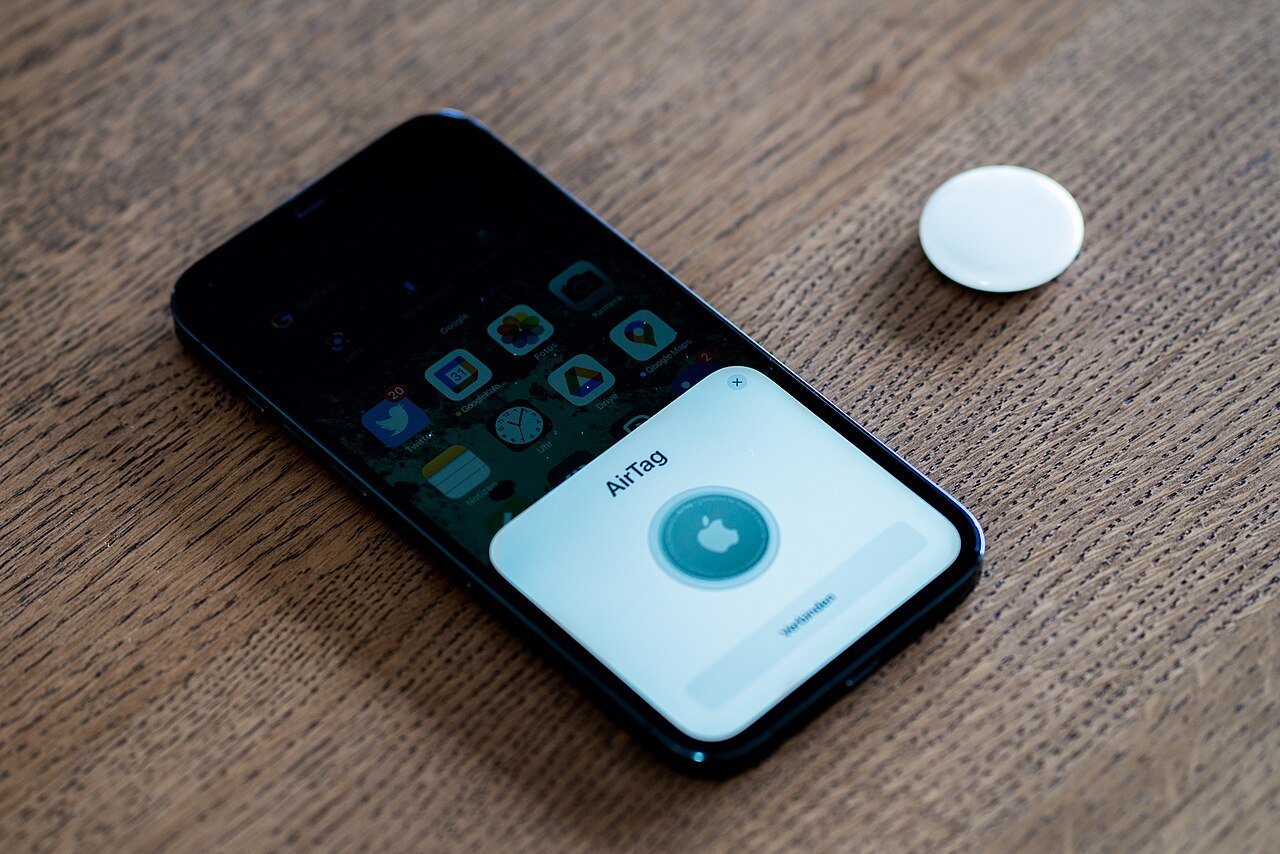
The categories aren’t random. MagSafe chargers and stands, AirTag and its accessories, Beats headphones and earbuds, cables, and cases now sit under one merchandising umbrella instead of being scattered across device-specific pages. That’s a meaningful shift because it treats “Apple accessories” as a standalone shopping destination — something you browse the way you’d browse a category on a general retail site, rather than something you stumble into while buying an iPhone.
Why This Matters More Than It Looks
Hardware margins on iPhones and Macs have been under quiet pressure for years — component costs climb, and Apple can only push price so far before it dents unit sales. Accessories, by contrast, carry brutal margins: a $49 MagSafe charger costs a fraction of that to make. Every dollar that currently goes to Anker, Belkin, or Amazon Basics instead of Apple is a dollar of high-margin revenue Apple isn’t capturing.
The Services Playbook, Applied to Hardware
Apple has run this exact strategy before with Services — bundling, cross-selling, and merchandising its way to outsized margin on top of the hardware install base. Beats, AirTag, and MagSafe were never just products; they were the building blocks of an accessory ecosystem Apple controls end to end, right down to the MFi certification program that decides which third-party chargers are even allowed to claim compatibility. A better storefront is the natural next step: it’s the retail layer that finally matches the ecosystem Apple already built.
If you’re the kind of shopper who fills a cart with budget picks instead of first-party gear, our best budget tech gadgets under $100 roundup is worth a look before Apple’s cross-sell engine talks you into the pricier option.
Interesting Tangent — The Accessories Apple Never Actually Sold You
Here’s the detail that got buried in the reporting. Back on January 30, MacRumors reported that premium MagSafe stands and display trays — pieces Apple designed exclusively for its own retail store fixtures, used to showcase products on tables inside physical Apple Stores — became available to the public for the first time, not through Apple, but through a third-party reseller. Apple built genuinely nice accessory hardware for its own stores and simply never offered it for sale. That’s not a failed product launch; it’s evidence of unmet demand Apple itself left sitting on a shelf for years, literally.
Put those two stories side by side and the picture sharpens. Apple has design assets for accessories, an internal appetite for retail merchandising, and now — finally — a storefront built to sell it. The gap between “Apple already knows how to do this well” and “Apple finally started doing it for customers” is the actual story here.
The Real Money Is in the Accessories You Don’t Think About
Third-party accessory makers should be paying attention. Anker, Belkin, Logitech, and OtterBox have built entire product lines filling gaps Apple left open — cheaper cases, more color options, chargers with extra ports. A better-merchandised, cross-selling Apple storefront doesn’t kill that market overnight, but it does mean Apple is now actively fighting for cart space at the exact moment you’re already buying something Apple-adjacent. Layer in the EU’s push toward USB-C harmonization and the Qi2 wireless charging standard, both of which raise the bar for what counts as a “compatible” accessory, and third-party makers are being squeezed from two directions at once: certification requirements on one side, a more aggressive first-party storefront on the other.
We go deeper on where that competition still favors third parties in our best portable Bluetooth speakers guide — Apple doesn’t make everything, and it’s not trying to.
What This Means for Your Next Apple Purchase
Practically, expect Apple’s own accessories to get pushed harder at checkout going forward — better curation, smarter recommendations, and more reasons to add a first-party case or charger instead of scrolling to a third-party alternative. That’s not necessarily bad for you as a buyer; Apple’s MagSafe and Beats gear is generally well-reviewed, and a smarter cross-sell engine at least means the suggestions should be genuinely compatible instead of a guessing game. But it’s worth noticing when a system is designed to nudge your default choice, because that’s exactly what this redesign does — quietly, without a keynote, three days before most people even noticed.
This relaunch is only days old as of this writing, so there’s no usage data yet on whether it’s actually moving Apple’s accessory sales. What’s clear is the intent: Apple built the merchandising machinery. Whether it works is the next chapter, not this one.
Leave a Reply