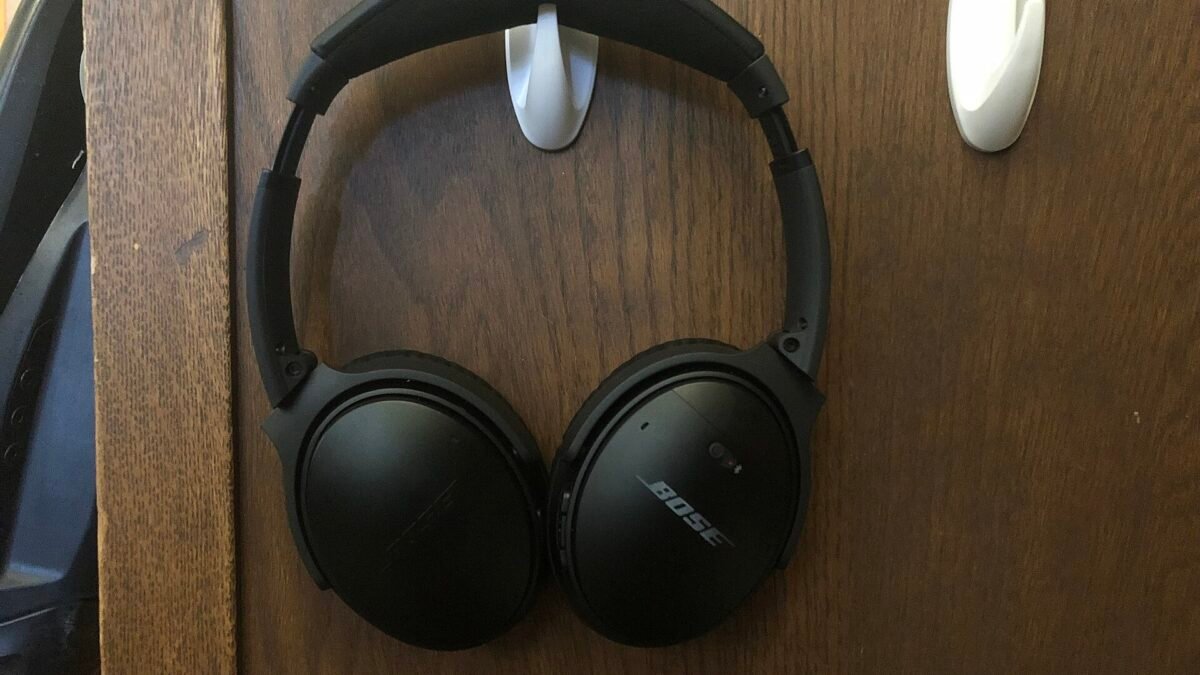
Bose just did something headphone makers almost never do: it took the party trick from its $450 flagship and dropped it into the new Bose QuietComfort Headphones (2nd Gen) at $359, three years into the same product generation. If you’ve been eyeing the QuietComfort Ultra and holding off, that gap just got a lot harder to justify.
The new QuietComfort Headphones (2nd Gen) went up for preorder on August 8 and started shipping August 13, 2026. On paper it reads like a modest refresh. In practice, it’s a pricing move dressed up as a spec bump — and the reasons behind it say more about the headphone market than the headphones themselves.
What Actually Changed in the 2nd Gen
The headline upgrade is Bose Immersive Audio with TrueSpatial, a feature that used to be exclusive to the Ultra tier. It’s joined by a reworked six-microphone array for active noise cancellation, with updated adaptive feedforward controls tuned to catch the gaps a headband creates when it doesn’t seal perfectly against your ears — the kind of leak that lets in HVAC hum and low engine noise even when ANC is “on.”
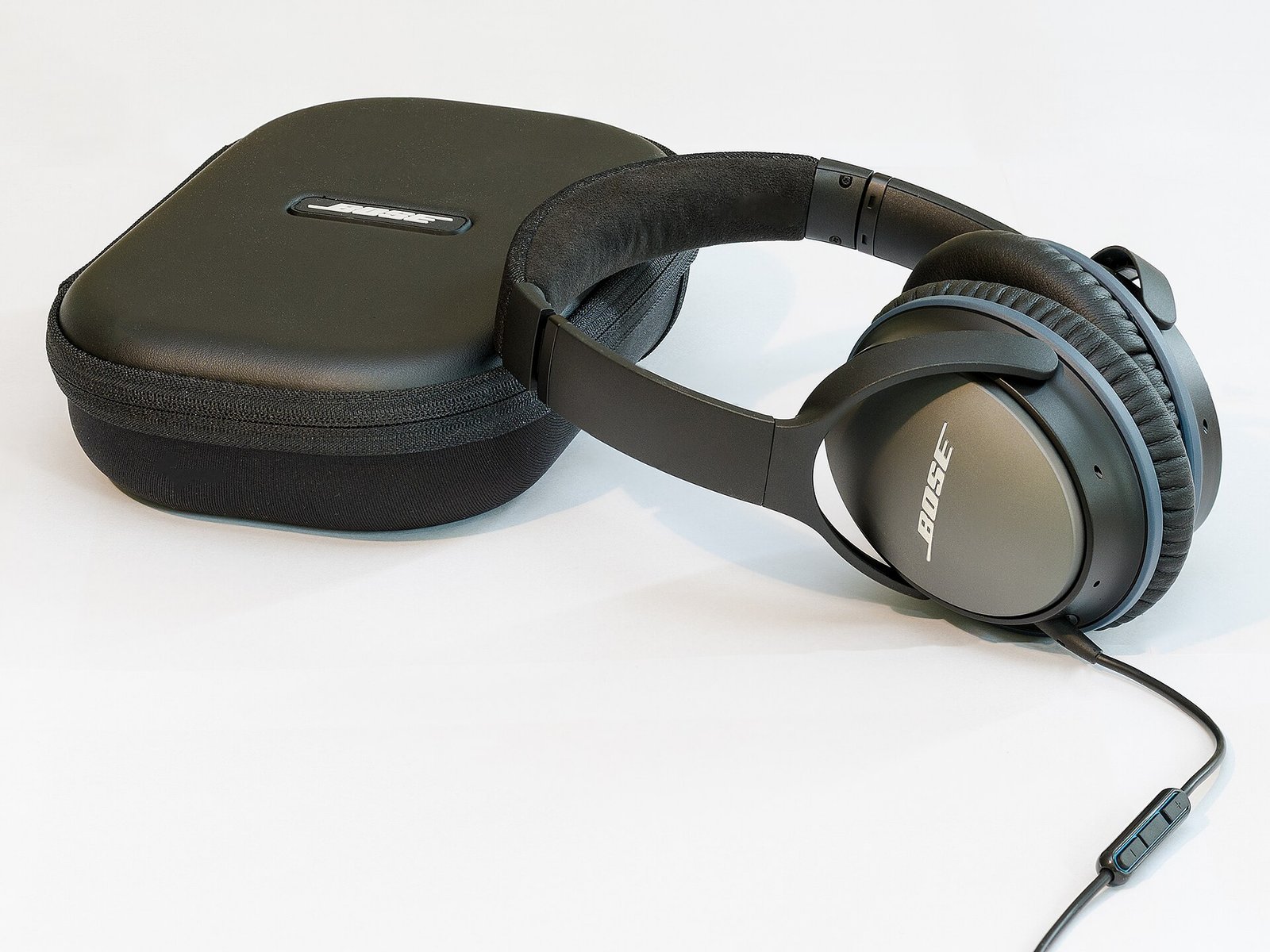
USB-C now carries lossless audio, not just charging. Battery life climbs to 24 hours with ANC engaged (the Ultra manages 30). The headband picked up softer synthetic-leather cushioning and a smoother adjustment mechanism. Bose also leaned into color as a selling point: Black and White Smoke as the core options, plus three limited runs — Eucalyptus Green, Dewdrop Mint, and Rosewood Mauve — that look more like a fashion drop than an audio spec sheet.
The Real Story Isn’t the Headphones — It’s the Price Gap
Here’s the part that matters more than any individual feature: the 2nd Gen closes about 20% of the distance to the $450 Ultra model, and it does it with the Ultra’s signature audio tech, not a watered-down imitation. That’s unusual. Companies typically protect flagship pricing by keeping at least one marquee feature locked to the top tier for a full generation, sometimes two.
Bose broke that pattern here. If you’re comparing this against Sony’s own ColleXion flagship, the calculus just shifted — Bose is no longer asking you to pay a premium for its best noise-cancelling tech, just a smaller one.
Why Companies Do This (the Tangent Worth Knowing)
Trickle-down feature releases aren’t generosity — they’re defense. When a flagship feature stays exclusive too long, competitors close the gap at a lower price point and steal the mid-tier buyer entirely. Bose’s own history backs this up: the noise-cancelling core it’s built on traces back decades, long before “flagship” and “budget” tiers existed at all. We covered the real origin story of noise-cancelling headphones if you want the full arc — it started as an aviation problem, not a commuter one.
Pushing Immersive Audio down-market now, rather than waiting for the 3rd Gen, only makes sense if Bose is worried about losing the $300–$400 buyer to someone else first. That’s the actual news here: not the spec sheet, but what it implies about how nervous the premium ANC market has gotten.
How This Fits the Bigger ANC Price War
Bose isn’t making this move in a vacuum. Sony’s WH-1000XM6 sits around $399, Apple’s AirPods Max are priced at $549, and both brands have spent the last two years leaning on brand loyalty rather than aggressive discounting to hold their premium tiers. A $359 Bose model with flagship-adjacent spatial audio doesn’t just compete with Bose’s own Ultra — it puts pressure on the entire $350–$450 band where Sony and Apple have been comfortable.
That’s the kind of move that only makes sense defensively. Nobody hands over their best tech to a cheaper SKU because business is booming; they do it because the alternative — losing that buyer to a rival at the same price — is worse. Watch what Sony does next in this range. If history is any guide, a price cut or a feature-matched refresh usually follows within a quarter or two.
Is the Old Model Now the Smarter Buy?
Reddit’s reaction has been more skeptical than celebratory. Multiple threads point to first-gen QuietComfort units showing up at Costco for around $160 — roughly 55% cheaper than the new model — which makes the upgrade a genuinely hard sell for anyone who doesn’t specifically want Immersive Audio or USB-C lossless. One recurring comment thread boils down to the same question: is $359 worth it when the old one is $160?
If your priority is pure noise cancellation and comfort for flights or open offices, the discounted 1st Gen still gets you most of the way there. The 2nd Gen earns its price premium specifically through the features Bose used to reserve for Ultra buyers — spatial audio, the improved mic array, lossless USB-C. If none of those move the needle for you, you’re paying for a feature set you won’t use.
The Catch Reviewers Keep Finding
Here’s the honest part nobody at Bose is putting in a press release: even with the new tech trickling down, outlets reviewing the Ultra tier — WhatHiFi and TechRadar among them — consistently note that Bose’s actual sound signature still trails Sony, Sennheiser, and Bowers & Wilkins in pure audio quality. Bose wins on ANC and comfort. It doesn’t win on sound. That gap hasn’t closed just because the price gap did.
So the honest read is this: Bose just made its mid-tier headphones a much better value relative to its own lineup. It didn’t make them a better value relative to the competition. Those are two very different claims, and the marketing is only making one of them loudly.
Frequently Asked Questions
What’s the price of the Bose QuietComfort Headphones (2nd Gen)?
$359, with preorders that opened August 8, 2026 and shipping that began August 13, 2026.
How is it different from the QuietComfort Ultra?
The Ultra costs $450, offers 30 hours of battery life versus 24 on the 2nd Gen, and was first to market with Immersive Audio — a gap the 2nd Gen has now mostly closed.
Is the 1st-generation QuietComfort still worth buying at a discount?
If you don’t need spatial audio or USB-C lossless playback, yes — deep discounts (around $160 at some retailers) make it a strong value pick for ANC and comfort alone.
Whether that’s a smart buy for you comes down to one honest question: are you paying for sound quality, or are you paying for quiet? Bose has only ever really won at one of those.
Leave a Reply