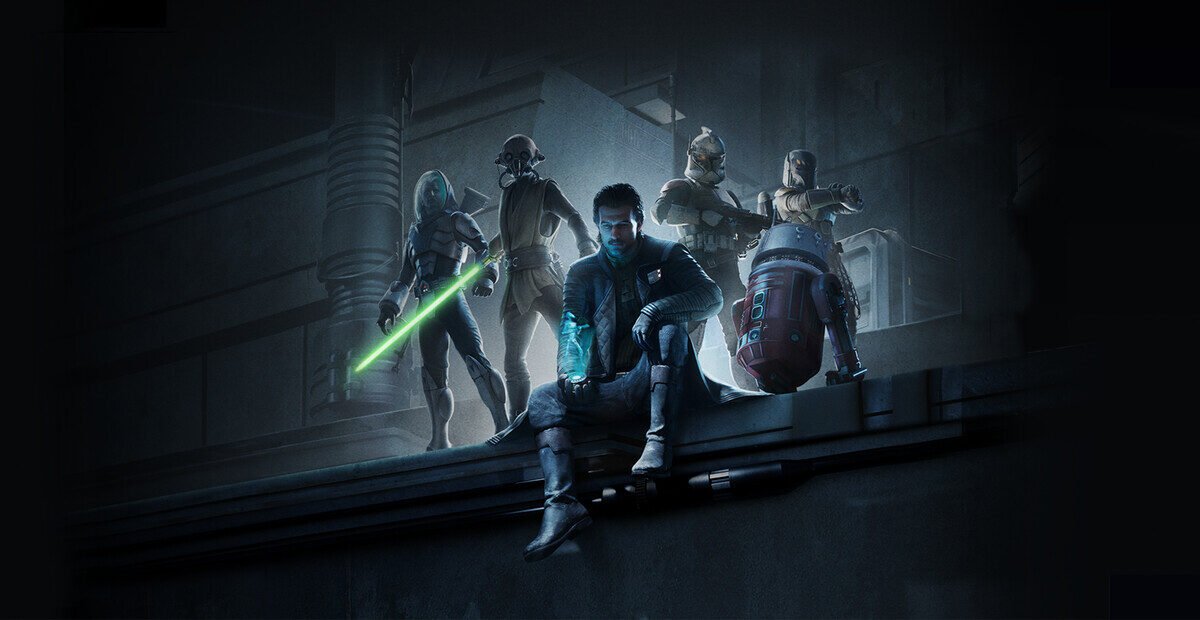
Here’s the honest truth about most licensed Star Wars games: the studio is usually chosen because it’s available, not because it’s the right fit. That’s not what happened here. EA handed one of its most beloved sandboxes — the Clone Wars — to a studio founded by the people who spent nearly two decades rebuilding turn-based tactics games from the ground up, twice. If the name Bit Reactor doesn’t ring a bell yet, it will by August 27.
Wait, Who’s Bit Reactor?
Bit Reactor was founded in January 2022 by Greg Foertsch, who spent 22 years at Firaxis Games — the studio behind Sid Meier’s Civilization — before leaving as an art director in 2019. But the real signal isn’t Foertsch alone. He brought along lead designer James Brawley, and the two of them worked together on XCOM: Enemy Unknown, XCOM 2, its War of the Chosen expansion, and Firaxis’s later swing at the genre, Marvel’s Midnight Suns. That’s four of the most influential tactics games of the last fifteen years, made by the same core team, now doing it again inside Star Wars.
Respawn Entertainment co-founder Vince Zampella is the one who actually made this happen — Respawn is publishing under EA’s umbrella, and Zampella reportedly gave Bit Reactor the opening to build in the Star Wars universe after seeing what the team could do with the genre. It’s the kind of pairing that sounds obvious only after someone’s already done it: the people who know tactics games best, given the setting with the most built-in stakes.
So What’s Actually Different From XCOM?
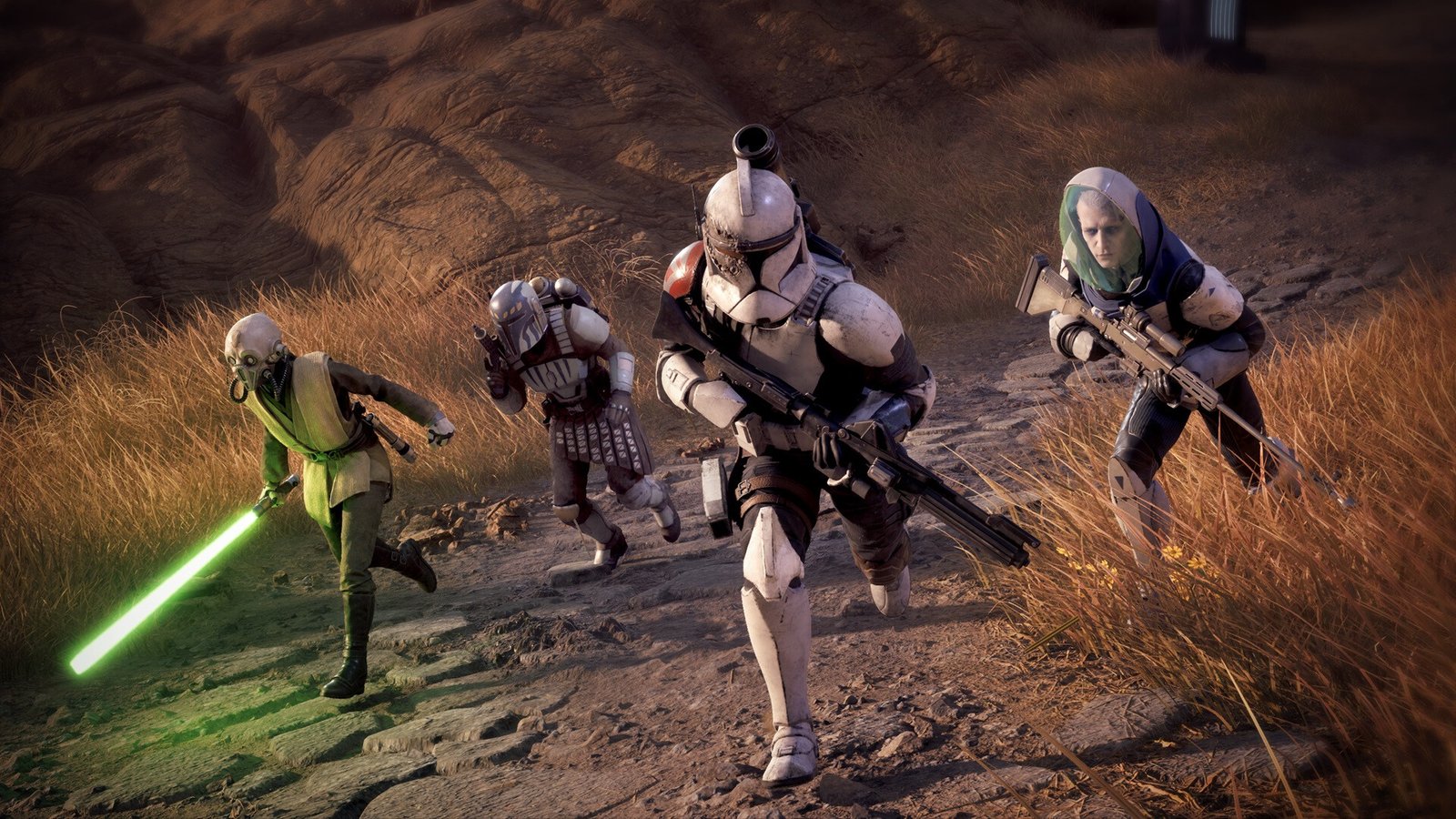
Here’s where it gets interesting, and where “Star Wars XCOM” undersells the game a bit. Zero Company is single-player only — no multiplayer mode competing for development time — and it leans hard into a Mass Effect-style relationship system between your squad. You’re not just managing a roster of interchangeable soldiers; the bonds between your squadmates unlock new combat synergies and shift how the story plays out. Permadeath is in, same as XCOM, so those relationships carry real weight when a mission goes sideways.
Outside of combat, Zero Company adds a base-building layer and an intelligence system — you send informants out to gather information on enemy plans before you commit troops, which is more strategic-layer management than XCOM’s Avenger ever asked of you. It’s set at the tail end of the Clone Wars, and you play as Hawks, a former Republic officer leading a mercenary outfit called Zero Company — professionals for hire rather than clone troopers following orders, which opens the story up to morally gray choices the Republic/Separatist framing usually doesn’t allow.
The Timing Isn’t an Accident
Zero Company launches August 27, 2026, on PlayStation 5, Xbox Series X/S, and PC — right in the stretch of the calendar where publishers dump big single-player releases before the holiday rush of sequels and live-service updates. That’s a deliberate bet from EA: put a genuinely different kind of Star Wars game (no lightsabers, no dogfighting, pure squad tactics) into a release window where it isn’t fighting an open-world blockbuster for attention. If it works, it’s also a quiet signal that EA is comfortable handing its biggest license to small, specialist studios instead of only its largest internal teams.
That bet matters more than usual right now. EA agreed to a record $55 billion buyout deal in 2026 — the kind of deal that makes investors nervous about a publisher trimming risk and doubling down on safe sequels. A genre bet like Zero Company, handed to a 60-person studio instead of a AAA mega-team, cuts against that instinct. We covered what that buyout actually means for EA’s future output in our deep dive on the $55 billion deal — worth a read if you’re wondering whether games like this are an endangered species going forward.
The Part Most Coverage Skips
Here’s the detail that gets buried in most previews: Bit Reactor isn’t a solo act repeating a formula. Early hands-on previews from outlets who played build-in-progress sessions describe combat that intentionally avoids XCOM’s biggest frustration — the “70% chance to hit” shot that whiffs anyway and tanks the whole run. Reporters who’ve played it describe the systems as designed around telegraphed risk rather than pure dice-roll tension, which is as close as a AAA tactics game has come to admitting the genre’s core mechanic occasionally makes players want to throw their controller.
That’s a genuinely different design philosophy from the games these same developers built their reputation on — which either means they’ve found something better after nearly fifteen years of iteration, or that Star Wars fans expecting a pure XCOM clone are going to be surprised by how much has changed under the hood.
This Isn’t the First Squad-Based Clone Wars Game
If Zero Company’s pitch sounds familiar, that’s because Star Wars has quietly circled this idea before. Republic Commando, released back in 2005, put players in charge of a four-man clone squad and let you issue tactical orders in real time — it’s remembered as one of the more distinctive Star Wars games of its era precisely because it treated clones as individuals with personalities instead of interchangeable armor. Zero Company isn’t a direct sequel or spiritual reboot of that game, but it’s mining the same underexplored territory: the Clone Wars as a story about specific people making hard calls, not just a backdrop for lightsaber duels. Twenty years is a long gap for a genre niche to sit mostly untouched, and it says something about how narrow “good squad-tactics Star Wars game” actually is as a design brief — most studios that could pull it off were busy building other genres entirely.
Should You Care If You’ve Never Played XCOM?
You don’t need the pedigree to get something out of this. The Clone Wars era is one of the least-covered stretches of Star Wars in mainline games — most licensed titles either sit in the original trilogy or the sequel era — and a mercenary-outfit angle with permadeath stakes is a genuinely different way into that period than anything EA’s shipped before. If you’re the type who wants to be ready for a strategy-heavy release like this on PC, our budget gaming PC build guide covers what actually matters for turn-based games — spoiler: less GPU-dependent than you’d think, more about a fast SSD and enough RAM to keep load times short between missions.
Whether Zero Company becomes the next great tactics franchise or a well-made one-off depends entirely on how EA treats it after launch — sequels for niche-but-loved genre entries are never guaranteed, buyout or not. But the pedigree behind it is the rare case where “trust the team” isn’t just marketing copy. These are, quite literally, the people who spent two decades figuring out how to make this specific kind of game good.
Leave a Reply