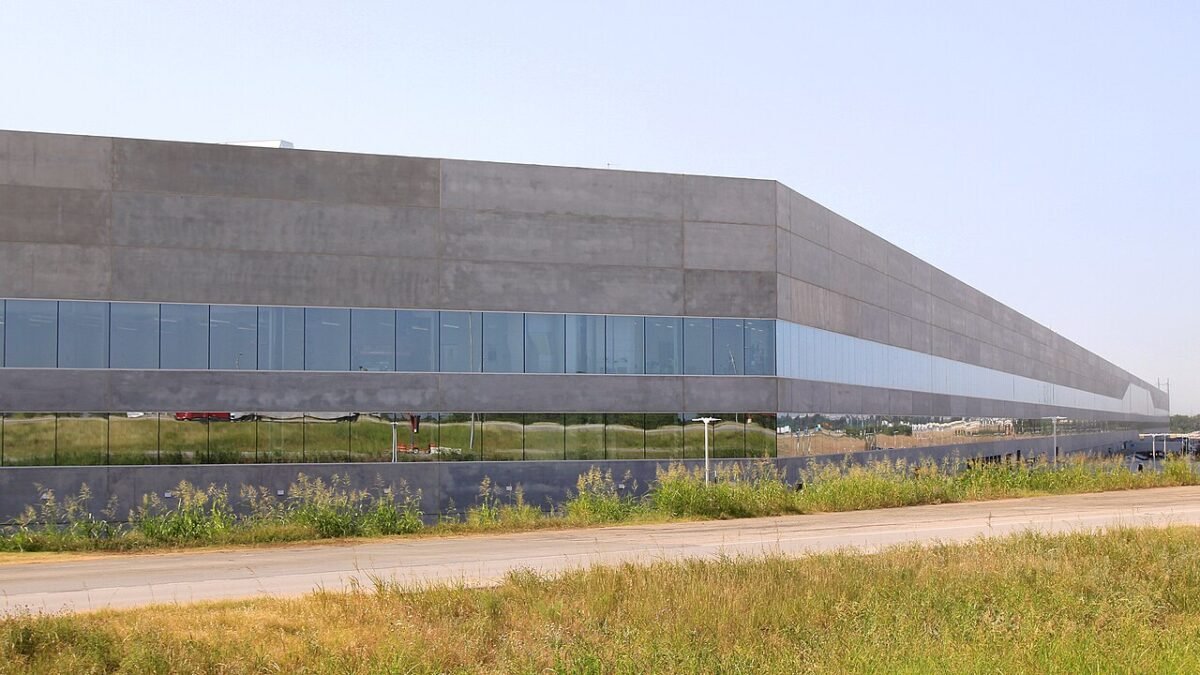
Tesla and SpaceX are jointly spending $16.8 billion to build a chip factory in rural Texas — and the plant, nicknamed “Terafab,” is designed to make both companies far less dependent on outside chipmakers. The announcement, confirmed by both companies on August 6, 2026, marks one of the largest single semiconductor investments by a non-chip company in years.
The factory is going up in Grimes County, Texas, about an hour outside Austin, on a site that will eventually span 100 million square feet. That’s not a typo — it would rank among the largest manufacturing footprints on the planet if fully built out. The initial $16.8 billion phase covers design, fabrication, packaging, and testing of advanced logic and memory chips under one roof, a “vertically integrated” setup that’s unusual even by chipmaking standards.
What Terafab is actually for
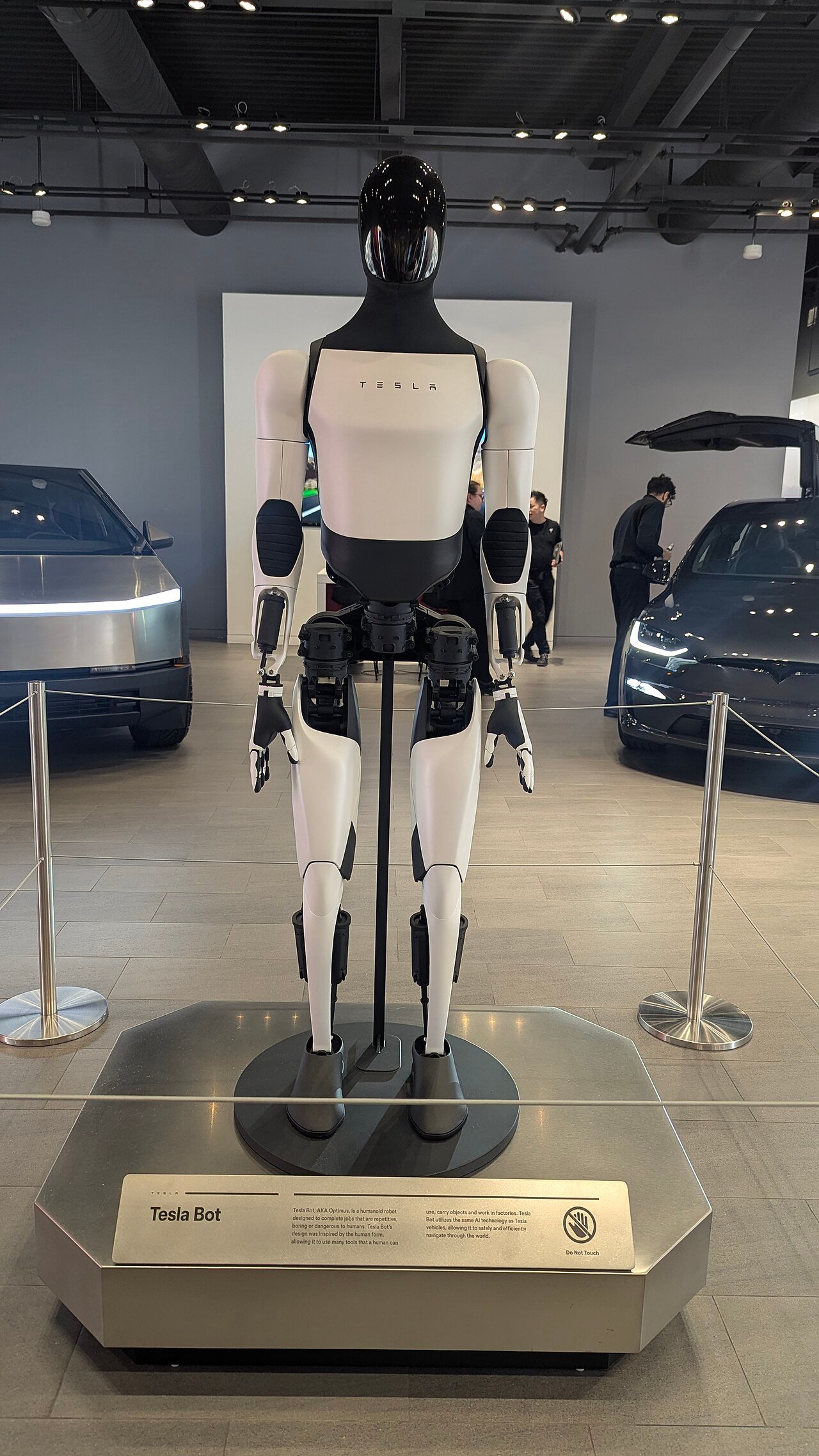
This isn’t a general-purpose foundry chasing Nvidia or TSMC’s customers. According to reporting from TechCrunch and GuruFocus, Terafab exists to feed two very specific appetites: Tesla’s Optimus humanoid robot and its Cybercab autonomous vehicle, both of which need custom inference silicon at a scale no outside supplier has been willing to commit to, and SpaceX’s own data centers, which run the compute behind Starlink and its expanding satellite network.
In other words, this is Elon Musk building his own chip supply chain rather than continuing to compete with Apple, Nvidia, and every AI lab in the world for capacity at TSMC. Tesla has flirted with custom silicon before — its Dojo training chips and FSD computer both came out of arrangements with outside foundries. Terafab is the first time either company has committed to owning the whole stack.
The money and the jobs
$16.8 billion buys phase one. Project documents reviewed by multiple outlets describe a roadmap where total investment across future phases could climb to somewhere between $55 billion and $119 billion, depending on how demand for Optimus units and SpaceX compute plays out over the next several years. That’s a wide range, and it’s meant to be — nobody, including Tesla and SpaceX, is committing to the top end yet.
The project is expected to create at least 3,000 jobs once operational, and Texas is putting real money behind it: SpaceX has already received a $30 million grant from the Texas Enterprise Fund, and the project qualifies for further state support under the Jobs, Energy, Technology, and Innovation (JETI) program — Texas’s replacement for its old Chapter 313 tax abatement scheme.
Why this matters beyond Tesla and SpaceX
Terafab lands in the middle of a broader pattern: companies that used to just buy chips are now building the teams and the fabs to make their own. Anthropic just built its own AI chip team rather than wait in line at TSMC — we covered why every AI lab suddenly wants to own silicon in that piece. Apple, Google, and Amazon have quietly done versions of the same thing for years with custom silicon designed in-house and fabbed elsewhere; Tesla and SpaceX are the first to try owning fabrication too, not just design.
Part of the motivation is almost certainly the memory and logic chip crunch that’s been squeezing everyone from PC builders to hyperscalers this year — we’ve written about why memory chip prices aren’t dropping anytime soon, and a company the size of Tesla or SpaceX has both the capital and the incentive to stop being at the mercy of that market. Owning your own fab means you’re not competing with Nvidia’s next GPU order for the same wafer allocation.
What’s next
Construction in Grimes County is expected to begin later this year, though neither company has published a hard timeline for when Terafab’s first chips will actually roll off the line — these projects typically take two to four years from groundbreaking to volume production, and nothing about this build suggests it’ll move faster than that. For now, the concrete deliverables are the $16.8 billion first-phase commitment, the Texas site, and the jobs pledge. Everything past that — the $55-119 billion range, the exact chip specs, the production timeline — is still a plan on paper, not a shipped product.
Sources: TechCrunch, GuruFocus, Construction Review Online, Evertiq, Newsmax, American Bazaar Online (all Aug 6-7, 2026).
Leave a Reply