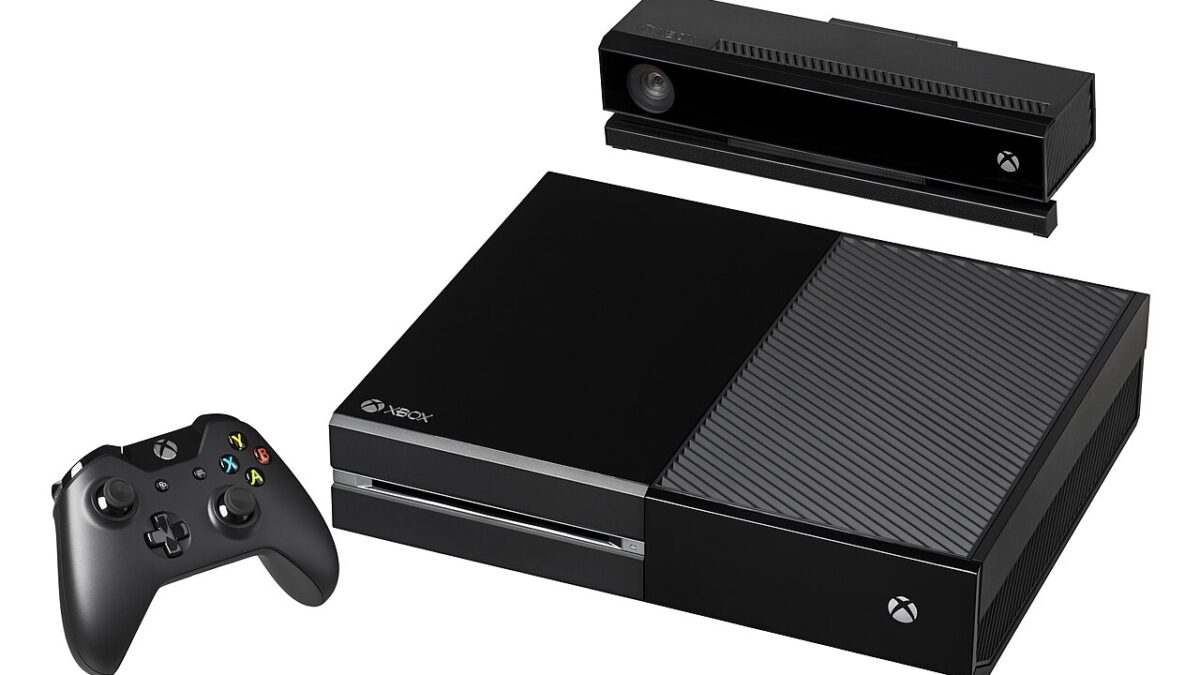
Before “always-on” cameras and voice assistants were everywhere, Microsoft bet the future of gaming on one: the Kinect. It became the company’s fastest-selling gadget ever — and then nearly sank the Xbox One. Here’s how a runaway hit turned into one of the most instructive failures in consumer tech history.
From Project Natal to living-room phenomenon
Kinect started life as “Project Natal,” unveiled at E3 2009 with a promise that sounded like science fiction: a camera that could track your entire body in 3D, recognize your face, and respond to your voice. No controller. No wearable. Just you, standing in front of your TV.
When it launched in November 2010 for the Xbox 360 at around $150, the pitch worked. Kinect let you control games with your body and voice — steering rafts in Kinect Adventures, nailing routines in Dance Central, and navigating menus with a wave of your hand.
The numbers were staggering. Kinect sold around 8 million units in its first 60 days, earning a Guinness World Record as the fastest-selling consumer electronics device at the time. It went on to move tens of millions of units overall. For a brief moment, Microsoft looked like it had found gaming’s next big interface.
The cracks beneath the hype
But even at its peak, Kinect had problems that no marketing budget could hide:
- Latency. Body tracking lagged just enough to make precise gameplay frustrating. Casual dance and fitness titles could tolerate it; core action games couldn’t.
- Space requirements. The sensor needed roughly 6 to 10 feet of clear floor space. Millions of players in apartments and small bedrooms simply couldn’t use it properly.
- A shallow game library. Beyond a handful of party hits, few developers figured out what to do with it. High-profile attempts like Star Wars Kinect and Steel Battalion: Heavy Armor ranged from mediocre to infamous.
- The novelty curve. Kinect games were bought, played at a few family gatherings, and shelved. Engagement told Microsoft a very different story than sales did.
Ironically, some of Kinect’s most enthusiastic users weren’t gamers at all. Within days of launch, hackers wrote open-source drivers for the sensor, and researchers adopted it as a cheap 3D scanner for robotics and computer vision projects. The hardware was genuinely brilliant — the gaming use case was the weak link.
The fatal overreach: the $500 Xbox One
Instead of reading those warning signs, Microsoft doubled down. Emboldened by the early sales record, it made a new, more powerful Kinect mandatory with the Xbox One in 2013. Every console shipped with the sensor in the box, and at launch the system wouldn’t even function with it unplugged.
That decision pushed the Xbox One’s price to $499 — a full $100 above the PlayStation 4, which launched the same month at $399 with more raw graphics power on paper. Sony barely had to say anything; the price tags did the talking.
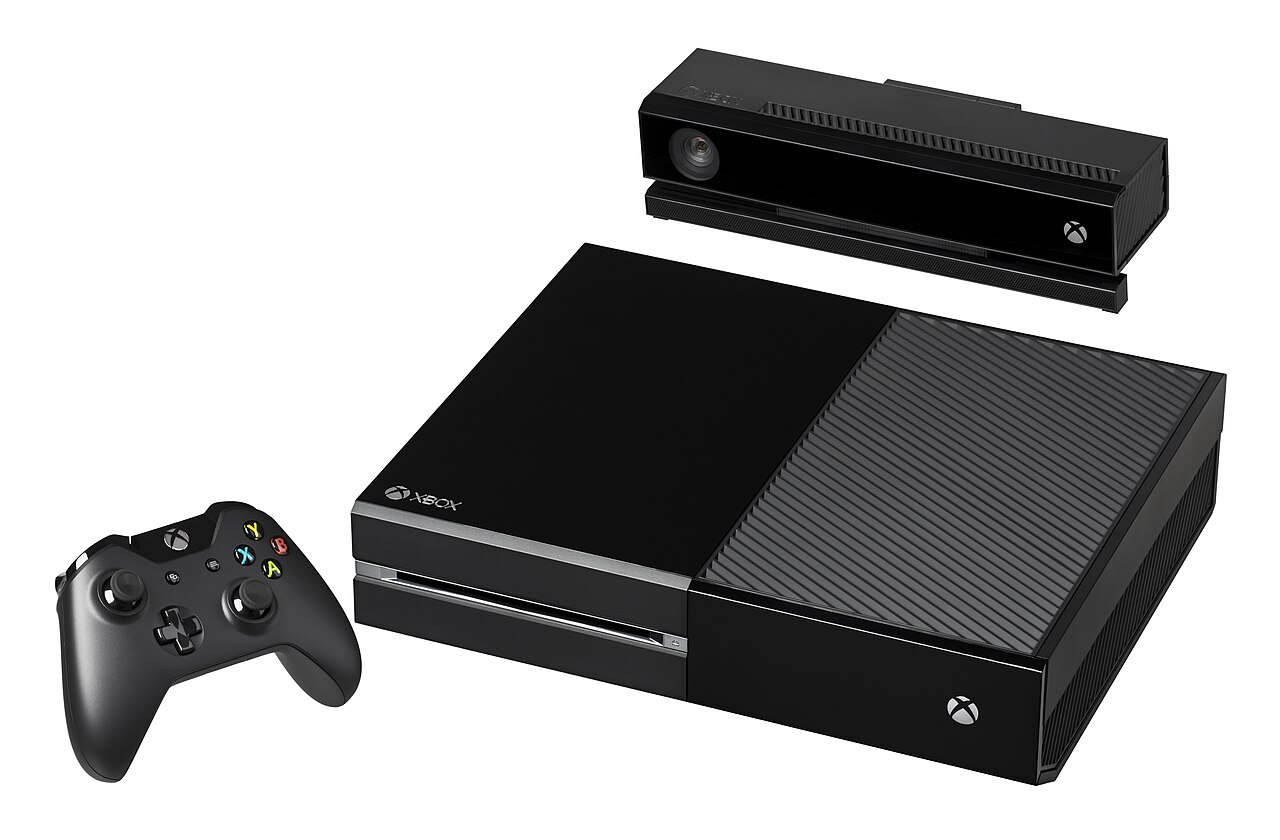
The timing made it worse. The Xbox One’s May 2013 reveal had already alienated its core audience by focusing on TV integration and sports apps instead of games, and by initially announcing restrictive online-check and used-game policies. Adding a compulsory camera and always-listening microphone on top of that — in the same year as major surveillance headlines — triggered privacy concerns Microsoft never fully shook off.
Gamers wanted power and games, not a camera they didn’t ask for. The $100 price gap helped Sony dominate the early console war, with the PS4 building a lead the Xbox One never closed. Console pricing has always been brutally sensitive — the same dynamic behind today’s debate over why new games now cost $80.
The quiet retreat
The reversal came fast, in humiliating stages:
- Late 2013: Microsoft dropped the requirement that Kinect stay plugged in for the console to work.
- Mid-2014: Barely six months after launch, Microsoft began selling the Xbox One without Kinect at $399, finally matching the PS4’s price. Sales improved almost immediately.
- Also in 2014: Microsoft freed up the slice of the console’s GPU power that had been reserved for Kinect processing, letting developers use it for better graphics instead — a quiet admission of what the bundle had really cost.
- 2017: With developer support long gone and attach rates collapsing, Microsoft quietly discontinued Kinect manufacturing. The adapter that connected old sensors to newer consoles followed it into retirement soon after.
Once the sensor was optional, the economics collapsed on their own. Developers no longer had a guaranteed install base, so they stopped building Kinect features; without new games, buyers had no reason to own one. The mandatory bundle had been the entire business case — and abandoning it, while necessary, sealed the accessory’s fate.
The strange afterlife
Here’s the twist: Kinect’s technology didn’t die. Its depth-sensing and skeletal-tracking work fed directly into Microsoft’s HoloLens headsets, and the sensor was later reborn for enterprise as the Azure Kinect developer kit. Elements of the same research lineage show up in modern face-unlock systems and gesture-sensing devices across the industry.
The hardware was never the problem. Kinect failed as a product strategy, not as an invention — a distinction that matters for every “revolutionary” peripheral that has come since.
The lesson that still applies
Even genuinely impressive technology fails when it’s forced on customers who didn’t want it — and when it makes the core product more expensive. The Kinect saga distills into a few rules the industry keeps re-learning:
- Launch sales measure curiosity, not commitment. Eight million units in 60 days told Microsoft people would try Kinect — not that they’d keep using it.
- Never tax your core customers to fund your experiment. The $100 premium asked gamers to subsidize a vision they hadn’t bought into.
- Mandatory adoption breeds resentment, not ecosystems. Forcing the sensor into every box didn’t create a Kinect market; it created a discount waiting to happen.
It’s a mistake the industry keeps flirting with, from VR pushes to always-on features. And the market keeps rewarding the opposite approach: hardware that earns its place. The runaway success of portable systems — covered in our look at how handheld gaming took over in 2026 — shows players flocking to devices that solve real problems, like playing anywhere, rather than inventing new ways to interact for novelty’s sake. The Kinect remains the textbook example of a great gadget solving a problem nobody had.
Quick FAQ
How much did Kinect cost Microsoft in the console war?
It’s impossible to isolate one factor, but the $100 launch-price gap it created is widely considered the single biggest reason the PS4 built an early lead the Xbox One never overcame.
Was the Kinect hardware actually good?
Yes — for its time, remarkably so. The depth sensing and body tracking were advanced enough that robotics labs adopted it as a budget 3D sensor, and its technology lived on in HoloLens and Azure Kinect.
Can you still use a Kinect today?
Original sensors still work on the consoles they shipped for, and a hobbyist community keeps them alive as 3D scanners on PC. But official support, accessories, and new games ended years ago.
Deixe um comentário