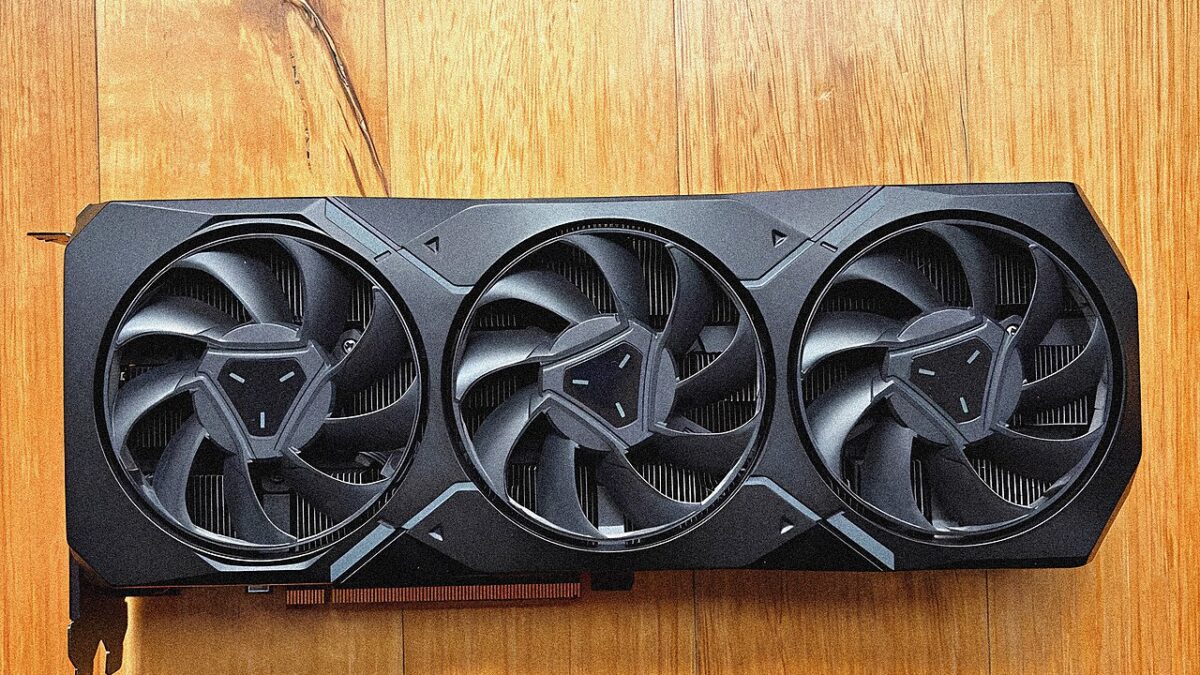
AMD Quietly Raises GPU Prices Again — The Second GDDR Hike in Six Months
AMD has told its board partners to expect roughly 10% higher prices on Radeon GPU and memory bundles starting this month, according to TrendForce and VideoCardz — the company’s second such increase in about six months. If you’re shopping for a graphics card this summer, the price you saw last week is probably not the price you’ll see today.
The hike applies to the GDDR memory kits AMD supplies to add-in board (AIB) partners like ASUS, Sapphire, and PowerColor, who build and sell the actual cards. Those partners are already passing the cost along: ASUS has quietly raised US prices on some RX 9070 XT models by as much as 17.5%, according to pricing trackers monitoring retail listings this month.
What’s actually driving this
The short version: GDDR6 memory, the chip that gives your graphics card its video memory, has become collateral damage in the AI boom. Samsung, SK Hynix, and Micron — the three companies that make essentially all the DRAM in the world — have shifted production capacity toward high-bandwidth memory (HBM) and server-grade DRAM for AI accelerators, because those products carry far fatter margins than the GDDR6 used in gaming GPUs. Less factory capacity for GDDR6 means tighter supply, and GDDR6 spot prices have roughly tripled as a result. AMD is not absorbing that cost — it’s passing it straight to AIB partners, who are passing it to you.
Nvidia is in the same boat, arguably worse off: RTX 50-series models with 16GB of VRAM or more have seen price hikes in the 15-20% range this year, and the flagship RTX 5090 has been spotted listing above $4,300 — more than double its original launch price. AMD’s Radeon RX 9000 series has actually held up somewhat better through this crunch, largely because it uses GDDR6 rather than the pricier GDDR7 that Nvidia’s higher-end cards depend on. GDDR6 costs have risen sharply too, just by a smaller margin than GDDR7.
What this means if you’re buying now
If you’ve been waiting for GPU prices to cool off before upgrading, this is not the signal you were hoping for. This is AMD’s second GDDR price increase passed to partners in roughly six months, which suggests the memory shortage isn’t a one-time shock working its way through the supply chain — it’s an ongoing squeeze with no clear end date. Board partners typically absorb a price hike for a few weeks before adjusting retail pricing, so cards that haven’t moved yet in the US may still catch up over the coming weeks.
The practical takeaway: if you find a Radeon card at a price you’re comfortable with today, waiting for a better deal carries real risk right now. That’s a different situation than the usual “GPU prices always drop eventually” pattern buyers have gotten used to over the past decade.
The bigger picture
This is part of a broader DRAM crunch reshaping prices across the entire PC market, not just graphics cards — system RAM, SSDs, and even game console memory have all seen upward pressure this year as manufacturers chase AI-accelerator margins over consumer-grade chips. We broke down how that shortage is rippling through chip stocks more broadly in our piece on why chip stocks fell into a bear market, and if you want the fuller history of how we got to a $4,300 RTX 5090, our honest look at Nvidia’s pricing crisis covers that in more depth. AMD’s own first price increase back in early July — before this second hike — is covered in our earlier report on AMD raising Radeon prices 10%.
CPU pricing hasn’t been spared either — Intel raised desktop CPU prices by up to $50 earlier this year, a move we covered in detail in our Intel price hike report, for anyone building a full system rather than just upgrading a graphics card.
What’s next
Neither AMD nor Nvidia has signaled when GDDR pricing might stabilize, and the underlying cause — DRAM manufacturers prioritizing AI accelerator margins — shows no sign of reversing in the near term. Expect retail prices on both AMD and Nvidia cards to keep drifting upward through the rest of the summer, with board partners adjusting shelf prices unevenly as their existing GDDR6 stock runs out and gets replaced at the new, higher cost.
Deixe um comentário