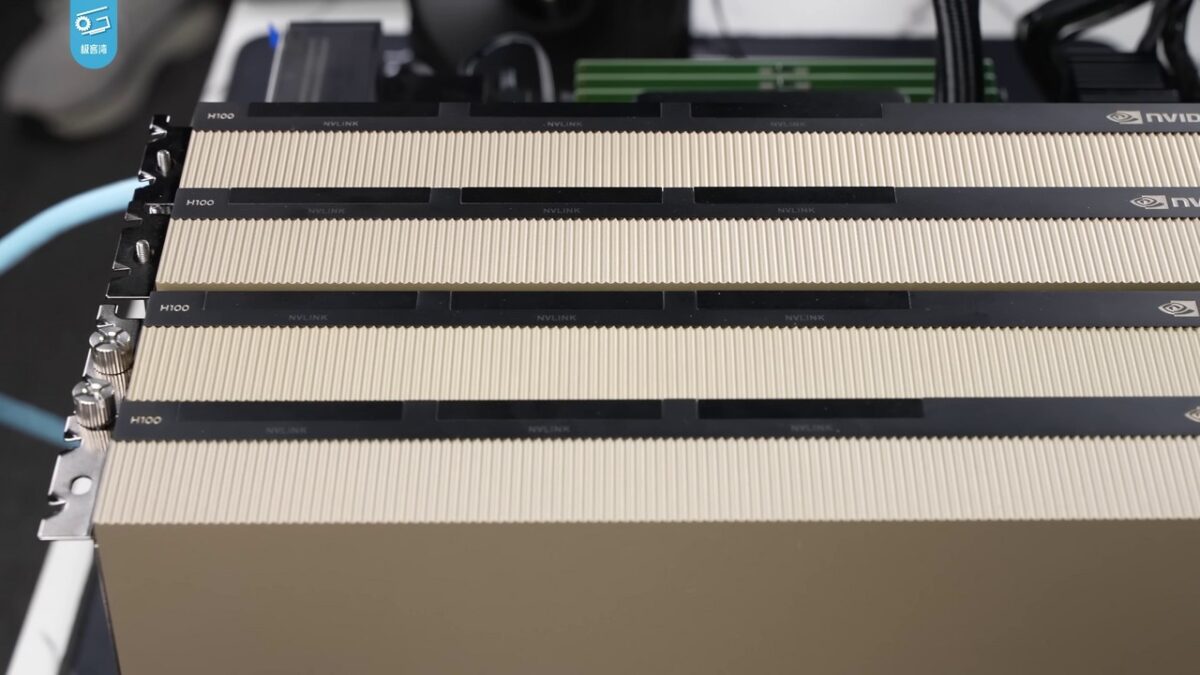
Nvidia isn’t handing OpenAI a check. It’s promising to cover the bill if OpenAI can’t — on a patch of Ohio farmland that used to enrich uranium for nuclear weapons. That’s the shape a quarter-trillion dollars takes when the company spending it doesn’t have the credit rating to borrow it alone.
Here’s what’s actually going on with the reported Nvidia-OpenAI $250 billion data center deal, and why the structure matters more than the number.
What a “Backstop” Actually Means
Nvidia is reportedly in talks to guarantee roughly $250 billion tied to a massive OpenAI data center — a deal first reported by CNBC on July 27, 2026. That word “guarantee” is doing a lot of work — Nvidia isn’t investing $250 billion, and it isn’t lending $250 billion. It’s agreeing to make lenders whole if the project’s debt doesn’t get repaid.
Think of it like co-signing a mortgage. The bank feels safer lending because a financially stronger party has promised to step in if the primary borrower defaults — so the loan gets approved, and usually on better terms than the primary borrower could get alone. That’s the whole mechanism here: SB Energy, the entity actually building the data center, needs to raise a huge amount of construction and lease debt. OpenAI can’t co-sign that debt itself, because as a still-unprofitable private company, it doesn’t hold an investment-grade credit rating. Nvidia’s balance sheet does the co-signing instead.
Why would Nvidia agree to something this large without owning a single square foot of the building it’s guaranteeing? Because Nvidia’s real product here isn’t real estate — it’s making sure the demand for its chips keeps growing on schedule. A data center that doesn’t get built is a data center that doesn’t buy GPUs. Backing the financing that gets it built, even without an ownership stake, keeps that pipeline moving. It’s a credit guarantee with a very obvious commercial motive attached.
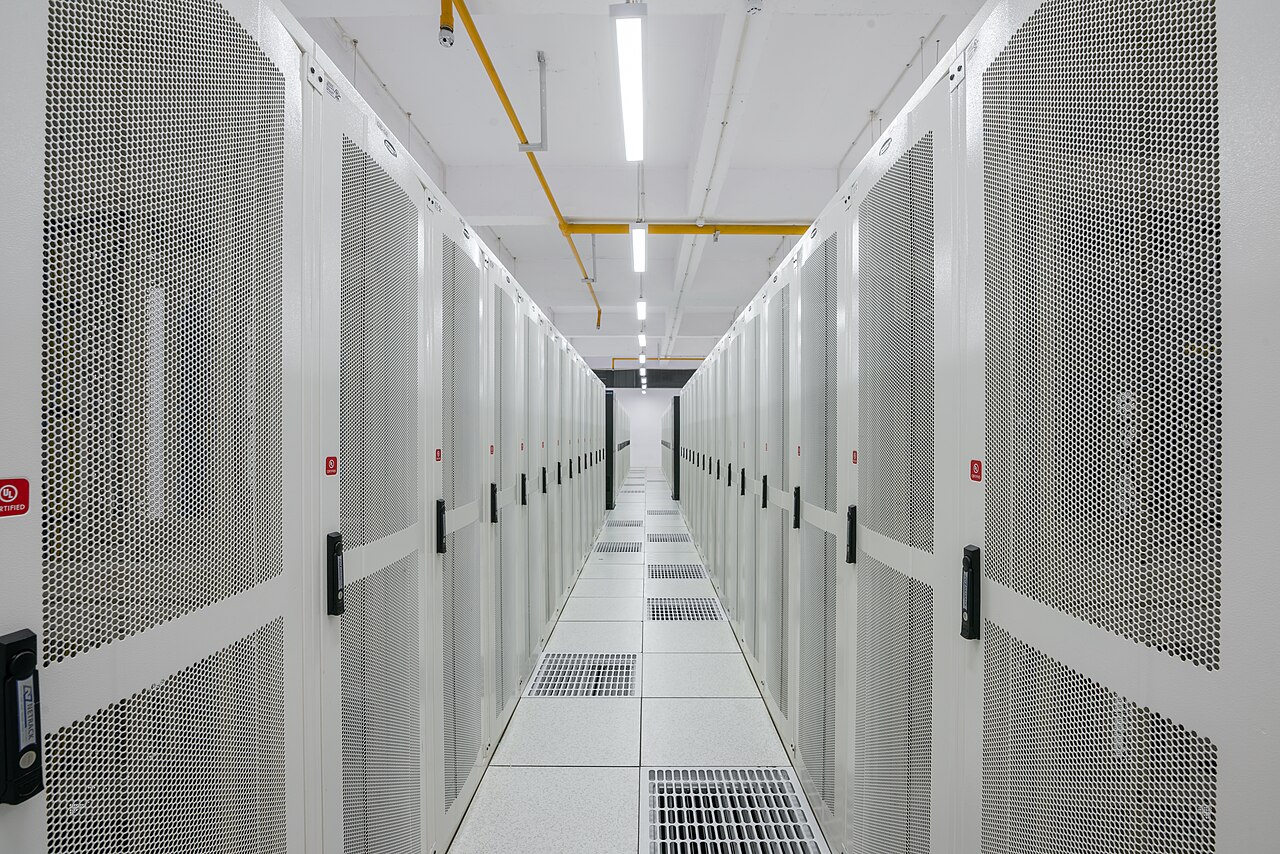
Inside the OpenAI Data Center Site Nvidia’s $250 Billion Would Back
The data center itself is being built by SB Energy, the energy subsidiary of SoftBank Group, on a site in Piketon, Ohio — about 50 miles south of Columbus. The location has history: it’s the former Portsmouth Gaseous Diffusion Plant, which enriched uranium for U.S. nuclear weapons and reactors from 1954 until enrichment shut down there in the early 2000s. In 2023, Centrus Energy actually restarted enrichment on part of the same site — the first 100%-American enrichment technology plant to reach production since 1954. Now a corner of that land is being repurposed again, this time to power AI compute instead of nuclear fuel cycles.
The planned campus is enormous by any current standard: 10 gigawatts of capacity, with a first phase of roughly 800 megawatts targeted for 2028. If OpenAI leases capacity here directly, it’s a notable shift — the company has largely relied on Microsoft Azure, Amazon AWS, and Oracle Cloud as intermediaries for compute until now.
The Chips Are a Whole Separate Deal
Here’s the detail that makes the number even bigger: the $250 billion backstop covers lease and construction debt only — it doesn’t pay for a single GPU. Nvidia is negotiating a second, separate arrangement to help finance OpenAI’s purchase of the chips that will actually go inside the building, reportedly worth up to $350 billion on its own. Add the two together with the rest of the project’s costs, and the total campus could run past $500 billion — reportedly the largest data center project ever announced. As of this reporting, talks are ongoing and terms aren’t finalized, so the final structure could still shift.
The “Did You Know” Moment: Nvidia Becomes the Bank and the Landlord — Without Owning the Building
Sit with that for a second. Nvidia doesn’t own the Piketon campus — SB Energy does. But Nvidia is guaranteeing the debt that builds it, separately financing the chips that fill it, and (through its existing $30 billion direct investment in OpenAI) has a stake in the company that will lease it. That’s an unusual amount of financial gravity around a building Nvidia doesn’t hold the deed to.
It hasn’t gone unnoticed. Michael Burry — the investor known for calling the 2008 housing crash — reacted to the reporting with “Around and around we go,” a jab at what he sees as circular financing in the AI boom: chipmakers backing the very customers who buy their chips, who then need more chips, financed again by the chipmaker. Short-seller Jim Chanos, who famously called Enron’s collapse, put it more bluntly, saying Nvidia is “effectively financing its own AI chip sales.” Broader market analyses have flagged more than $800 billion in similar circular arrangements building up across the AI supply chain. None of this means the deal is bad business — Oracle’s stock actually jumped overnight on the news, a sign the market reads it as fresh proof of AI infrastructure demand — but it’s exactly why a “guarantee” on paper is worth understanding, not just skimming past.
Interesting Tangent: There’s a Third Deal Buried in This Story
The $250 billion backstop and the $350 billion chip financing aren’t even the full picture. Reporting also points to Japan committing roughly $33 billion toward a natural-gas power project on federal land tied to supplying the Piketon campus with electricity — part of a broader US-Japan trade arrangement. The structure is its own small oddity: proceeds from selling that power get shared back to Japan until it recovers its investment. A data center’s power supply, in other words, is now its own multinational financing deal, layered on top of the compute financing, layered on top of the chip financing. Nobody sat down one day and designed this as a single elegant plan — it’s what happens when a project this size needs money faster than any single balance sheet can provide it.
Why This Is Worth Watching
This isn’t the only outsized AI infrastructure arrangement to land this year — we broke down the AI infrastructure alignment forming between Nvidia, Google, and Apple just last week, and it’s part of the same broader pattern as the unusual SpaceX-Anthropic compute deal we covered earlier this year. Nvidia isn’t the only company recalibrating around AI’s appetite for compute, either — Alphabet just raised its own 2026 AI spending forecast to keep pace.
What makes the Piketon deal different is the honesty forced into its structure: nobody’s pretending OpenAI can pay for this alone. The entire arrangement exists because it can’t. Whether that’s a temporary bridge to profitability or the first crack in an AI financing chain that’s gotten too creative for its own good is the question analysts will be arguing about long after the shovels hit that Ohio ground.
Deixe um comentário