Disclosure: DecodeGear may earn a commission from qualifying purchases made through links in this article, at no extra cost to you.
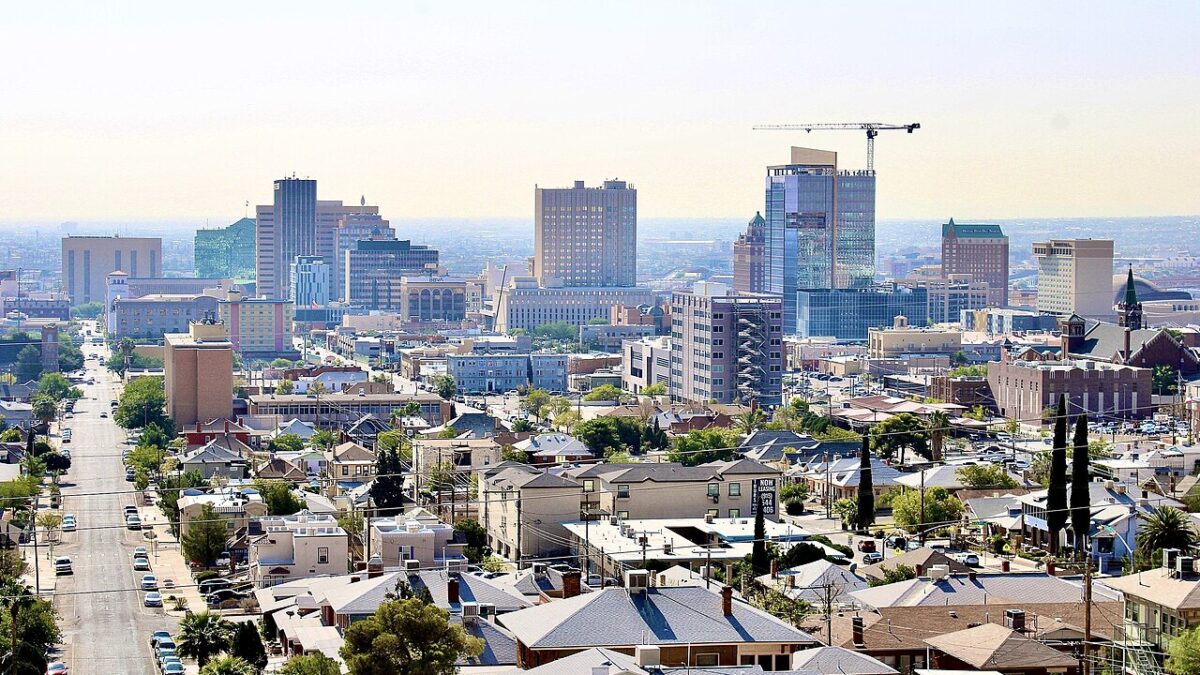
Meta and BlackRock announced a roughly $14 billion venture on Tuesday to build a one-gigawatt AI data center campus in El Paso, Texas — and Meta will own only 20% of it. The deal is the clearest sign yet that Big Tech is moving AI infrastructure spending off its own balance sheet and onto private investors.
What was actually announced
Funds managed by BlackRock will hold an 80% stake in the new venture, with Meta retaining the remaining 20%. Meta is contributing land and construction-in-progress assets worth about $2.3 billion, while BlackRock is putting in $4.9 billion in cash. The rest of BlackRock’s side — roughly $12.5 billion — comes from debt financing. Meta also collects a separate $1 billion payout to balance the ownership math.
The companies expect the campus to begin operations in 2028. Meta signed an initial four-year lease on the facility, with options to extend it toward 20 years, and agreed to cover a shortfall of up to $13 billion if the campus’s value falls below an agreed threshold.
Why Meta is doing this instead of building it alone
Meta’s own capital expenditures have ballooned as it races to train and run larger AI models — the company has guided investors toward well over $100 billion in AI-related infrastructure spending this year alone. Financing a data center through a joint venture, rather than buying and building it outright, lets Meta keep a chunk of that spending as a lease obligation instead of a balance-sheet asset. It’s the same basic playbook Nvidia used when it agreed to backstop $250 billion of OpenAI’s Ohio data center debt — AI compute is now expensive enough that even the companies with the deepest pockets are looking for partners to share the risk.
For BlackRock, an 80% stake in a leased-out, one-gigawatt facility with a tech giant’s rent obligation attached is effectively a long-duration, high-yield real estate bet — the kind of infrastructure asset that pension and sovereign wealth funds have been chasing as AI demand for power and floor space keeps climbing.
Why El Paso
Texas has become one of the most aggressive states for data center construction, thanks to a combination of cheap land, a deregulated power grid (ERCOT) that can approve large industrial power hookups faster than many other states, and local tax incentives aimed at attracting exactly this kind of investment. El Paso specifically sits on the state’s western power grid interconnect, which gives it access to both ERCOT and neighboring grids — useful for a facility that will need a full gigawatt of reliable power once it’s running.
The bigger pattern
This is the third major “someone else finances the data center” deal disclosed in the AI industry within about a month. Nvidia’s $250 billion Ohio backstop for OpenAI and the wave of chip, data-center, and fiber deals we tracked across the AI industry this week point to the same conclusion: the amount of physical infrastructure required to keep training and serving frontier AI models has outgrown what any single company wants to carry alone. Alphabet alone raised its 2026 AI spending forecast to $205 billion — and Meta, Google, Microsoft, and Amazon combined are now spending at a rate that rivals the annual GDP of a mid-sized country.
What it means for you
None of this changes what’s on your phone or in your feed today, but it’s part of why AI features keep shipping faster: the compute bottleneck that used to slow AI companies down is being solved with financial engineering as much as with new chips. It also means more of the AI industry’s true cost is being quietly shifted onto institutional investors — money that ultimately traces back to pension funds and retirement accounts — rather than showing up on Meta’s own books. If the AI spending boom cools off before 2028, El Paso’s campus, and the debt behind it, is the kind of asset that gets tested first.
FAQ
How big is the Meta-BlackRock data center deal?
Roughly $14 billion total, for a one-gigawatt AI data center campus in El Paso, Texas, expected to begin operations in 2028.
Does Meta own the data center?
No — BlackRock-managed funds own 80% of the venture. Meta owns the remaining 20% and leases the facility back for its own AI workloads.
Why are tech companies financing data centers this way?
It keeps massive AI infrastructure costs off the company’s own balance sheet as a direct asset purchase, shifting the risk to institutional investors in exchange for long-term lease payments.
Sources: CNBC, Forbes, Meta Investor Relations
Leave a Reply