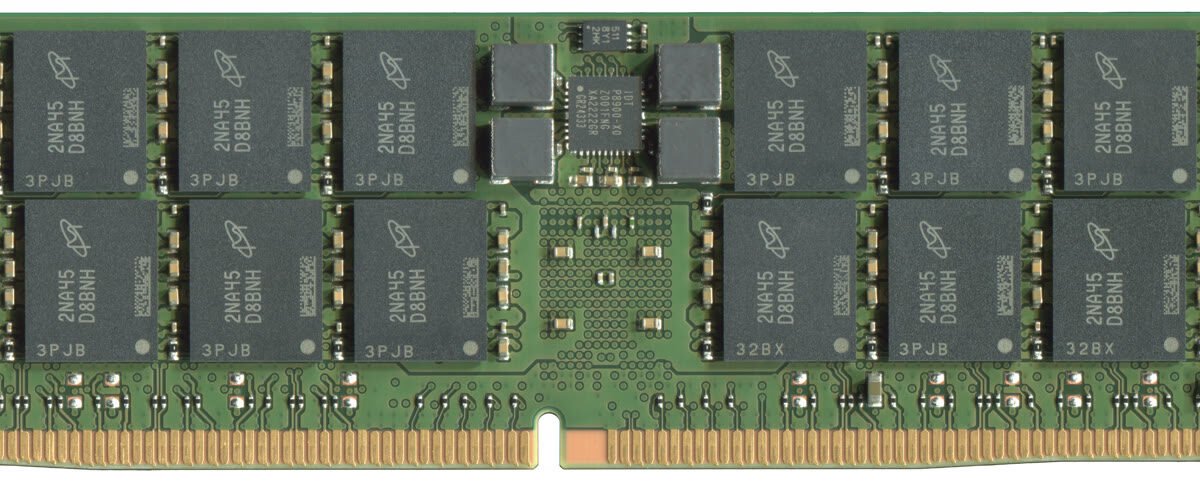
Every RAM shortage explainer this year — including our own — has told some version of the same story: AI data centers are gobbling up memory, manufacturers can’t keep up, and DDR5 prices are collateral damage. It’s a clean narrative. It’s also, according to a federal class-action lawsuit filed in June 2026, missing a key detail: the three companies telling you it’s a shortage are the same three companies accused of engineering it.
My position: the “shortage” framing deserves way more skepticism than it’s gotten. Not because AI demand for memory isn’t real — it obviously is — but because “real shortage” and “companies exploiting a real shortage to fix prices” aren’t mutually exclusive, and only one of those stories has been getting told.
The Lawsuit’s Actual Claim
Samsung, SK Hynix, and Micron — who together control roughly 90% of the global DRAM market — were sued on June 25, 2026 in US federal court by 17 plaintiffs, a mix of individuals and small businesses. The complaint doesn’t dispute that the industry is shifting toward High-Bandwidth Memory for AI accelerators. It argues that the three companies used that shift as cover to deliberately wind down production of ordinary DDR3 and DDR4 — the memory in the laptop or desktop you actually own — “in defiance of all economic and business logic,” in the filing’s words. The suit seeks class-action status, an injunction against future alleged price-fixing, and damages.
The Numbers Behind the Allegation
The complaint cites a roughly 700% increase in conventional DRAM prices over four years. That’s not a rounding error or a supply-chain hiccup — that’s the kind of number that shows up when three companies control 90% of a market and none of them decide to be the one who breaks ranks and keeps making the cheap stuff. Separately, US gaming-hardware analysts have clocked average selling prices jumping from $452 in January 2026 to $525 by June — a 16% rise in six months, widely attributed to the same memory crunch. Whether or not the lawsuit succeeds, that’s real money coming out of real upgrade budgets right now.
This Isn’t Their First Time
Here’s the part that should make you raise an eyebrow: this is reportedly the third DRAM price-fixing lawsuit against this trio of companies in roughly two decades. Samsung and SK Hynix have both already pleaded guilty to Department of Justice price-fixing charges in the 2000s, in cases that produced a combined $731 million in fines and sent some executives to prison. A “first offense, benefit of the doubt” framing doesn’t really survive contact with that history. When the same three companies control 90% of a market and get accused of the same thing for a third time, “coincidence” stops being the most likely explanation.
This Wouldn’t Even Be the Industry’s First Guilty Verdict
DRAM isn’t the only memory market with a price-fixing rap sheet, either. LCD panel makers paid out over $1 billion combined in the 2000s and 2010s for coordinating flat-panel prices across the exact same “everyone quietly agrees not to compete on the boring commodity part” playbook the DRAM lawsuit describes. The pattern in concentrated hardware markets — a handful of manufacturers, enormous fixed costs, near-identical products — keeps producing the same temptation: it’s a lot easier to protect margin by not competing than by actually competing. That doesn’t prove Samsung, SK Hynix, and Micron did it again here. It does mean the industry structure that made it possible twice before hasn’t gone anywhere.
Devil’s Advocate: Micron Says No, and Shortage ≠ Lie
To be fair to Micron, which has publicly denied the allegations and says it “competes vigorously, fairly and in compliance with all applicable laws” — a lawsuit is an allegation, not a verdict, and this one hasn’t been tested in court yet. It’s also true that AI data center demand for HBM is genuinely enormous and genuinely competing for the same fabrication capacity as consumer DRAM; that part of the shortage story isn’t manufactured. A company can be telling the truth about demand outstripping supply while still choosing, within that real constraint, to prioritize the highest-margin product line over the cheapest one — which is a business decision, not automatically a conspiracy. The lawsuit’s job is to prove the difference between “rational capacity allocation” and “coordinated restraint of trade,” and that’s a much harder needle to thread than the headline suggests — plaintiffs generally need internal communications, not just suspicious pricing, to win a case like this.
It’s also worth noting the plaintiffs here are 17 named individuals and small businesses, not a state attorney general or the DOJ’s antitrust division. That doesn’t make the claims weaker on the merits, but it does mean the case is starting from a smaller war chest and slower discovery process than the government-led cases that produced the 2000s guilty pleas — expect this to move in years, not months.
What This Means for Your Next Upgrade
Practically, nothing changes for your wallet in the short term — the lawsuit doesn’t lower a single DDR5 price today, and litigation like this typically takes years, not months, to resolve. What it should change is how you read every “shortage” press release between now and whenever this gets sorted out. If you’re weighing whether to buy RAM now or hold off, our DDR5 buy-or-wait breakdown still applies regardless of how the lawsuit shakes out — the prices are what they are either way. And if you want the mechanics of how we got here, our original DRAM shortage explainer and why we don’t expect real relief until 2028 both hold up; this lawsuit doesn’t contradict that timeline, it just adds a second, less flattering explanation for why it’s taking so long.
Bottom Line
The AI-demand shortage story is real. It’s just not the whole story, and it’s suspicious that the companies most responsible for explaining rising RAM prices to the public are the same three now facing their third price-fixing suit in twenty years. I’m not saying don’t believe the shortage — I’m saying stop taking Samsung, SK Hynix, and Micron’s word for why it’s happening, and watch this case instead of the next earnings-call talking point.
Leave a Reply