Why Your RAM Is About to Get More Expensive — The DRAM Shortage Explained
If you’ve been putting off a RAM upgrade or planning a new PC build, here’s a heads-up: the timing is about to get a lot worse. Memory prices are climbing, and the people running the biggest chip factories in the world are openly saying things won’t get better until at least 2027 — and possibly not until 2030.
This isn’t a supply hiccup or a shipping bottleneck. It’s a structural shift in how memory is made and who it’s being made for. Let’s break it down.
What’s Happening to RAM Prices Right Now
DRAM contract prices — the prices that PC makers, laptop brands, and server companies pay for memory in bulk — jumped 15 to 18 percent quarter-over-quarter heading into Q3 2026. That’s not a rounding error. That’s the kind of increase that shows up in retail prices within a few months.
SK Hynix CEO Kwak Noh-jung has been unusually candid about the situation. He’s told investors that 2027 will be the “worst year” for the memory shortage, and that tight supply conditions could persist all the way through 2030. Samsung and Micron — the other two giants of the DRAM world alongside SK Hynix — have echoed similar warnings. When all three of your biggest suppliers are saying the same thing, you pay attention.
For consumers, this means RAM you buy today may be noticeably cheaper than RAM you buy in 12 or 18 months. New laptops will come with tighter memory configurations. PC builders will see their budgets stretched further. And upgrading from 16GB to 32GB DDR5 is going to sting more than it did a year ago.
Why AI Is the One to Blame
Here’s where things get interesting — and a little counterintuitive. The factories that make your DDR5 RAM and the factories that make AI memory are essentially the same factories. And right now, those factories are being pointed almost entirely at AI.
The type of memory powering AI accelerators — chips like Nvidia’s H100 and H200 GPUs — is called HBM, or High Bandwidth Memory. HBM is nothing like the DDR5 sticks in your gaming PC. It’s a stacked, vertically integrated design that requires far more sophisticated manufacturing steps, more wafer capacity per unit produced, and a much longer production time than standard consumer DRAM.
Think of it this way: manufacturing one HBM module for an AI chip takes up factory capacity that could otherwise produce several DDR5 modules for laptops and desktops. And because AI companies are paying enormous premiums for HBM — the margins are far higher than on consumer memory — Samsung, SK Hynix, and Micron have strong financial incentives to keep their most advanced production lines focused on AI customers.
The result is a squeeze on everything else. Consumer DDR5, server DDR5, LPDDR5 for phones and laptops — all of it is competing for whatever wafer capacity remains after the AI allocation is filled.
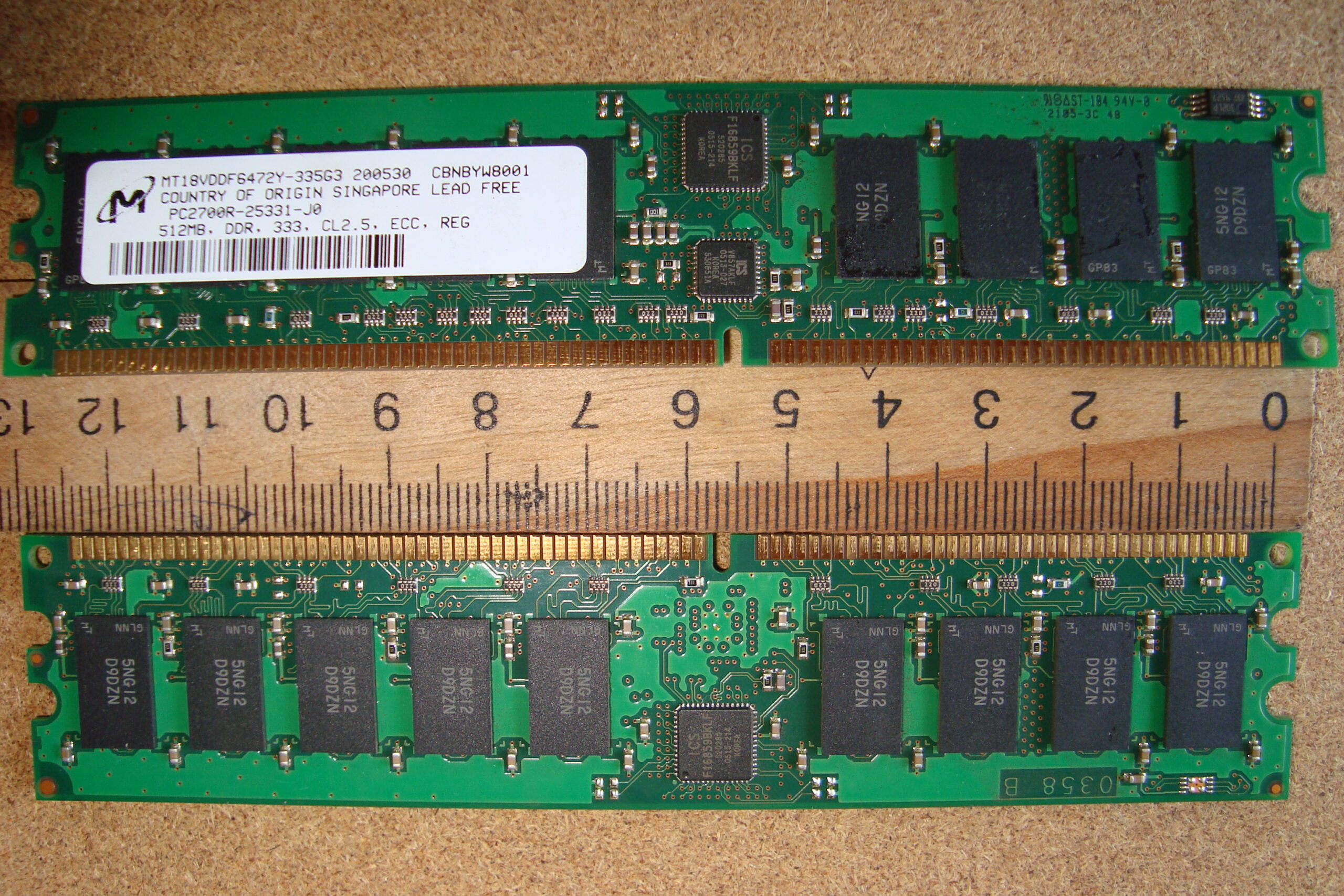
It’s worth noting that Huawei has announced plans to produce 140,000 12-inch wafers per month of 28nm DRAM as an alternative supply source — partly to sidestep export restrictions and partly to meet Chinese domestic demand. Whether that relieves global pressure on DDR5 supply remains to be seen, but it signals how significant the shortage has become when a company like Huawei is willing to invest at that scale.
The Price-Fixing Lawsuit Nobody’s Talking About
There’s a darker layer to this story. Samsung, SK Hynix, and Micron are currently facing a lawsuit alleging they colluded to artificially fix RAM prices — a situation that has been dubbed “RAMpocalypse” in some corners of the tech press.
The allegation is essentially that the three companies, which together control something like 95% of the global DRAM market, coordinated their production decisions in ways that inflated prices beyond what a normal market shortage would justify. This isn’t a new accusation in the memory industry — there was a major price-fixing scandal in the early 2000s that resulted in guilty pleas and large fines — but the current lawsuit is still working its way through the courts.
It’s important to be clear: these are allegations, not proven facts. But the existence of the lawsuit adds context to why memory prices can behave in ways that seem to defy normal supply-and-demand logic. A market with three dominant players and almost no viable alternatives has very different dynamics than a competitive one.
If the lawsuit results in any meaningful outcome, it could have implications for pricing. But don’t hold your breath waiting for it to bring prices down in the near term — legal processes like this play out over years.
What This Means for You as a Consumer
Let’s get practical. Here’s how this situation translates into real decisions you might be making in 2026 and 2027.
New PC builds will cost more. If you’re planning a build this year, RAM is going to take up a bigger share of your budget than it did 18 months ago. Prioritize getting the right amount of memory upfront rather than planning to upgrade later — that upgrade will cost more when you get around to it.
Laptop buyers should check specs carefully. Manufacturers facing higher memory costs will be tempted to ship popular price points with less RAM than before, or keep configurations the same while raising prices. A $999 laptop that shipped with 16GB in 2025 might come with the same 16GB in 2027 despite every other component improving — or it might cost $1,099.
The upgrade window is now. If you’ve been on the fence about going from 16GB to 32GB, or from 32GB to 64GB, the price gap between “buy now” and “buy in a year” is likely to grow. This is especially true for DDR5, which is where most of the HBM-related capacity reallocation pressure lands.
This connects to a broader trend of tech hardware getting more expensive across the board — similar forces are at play with why phones are getting more expensive in 2026, where component costs and market consolidation are combining to push prices up across categories.
And if you’re building a new PC, don’t forget that storage decisions matter too. Getting the right balance between speed and value in your storage setup can free up budget for a proper RAM configuration — our breakdown of SSD vs HDD in 2026 is worth a read before you finalize your parts list.
Should You Buy RAM Right Now?
The short answer: if you need it, yes. If you don’t, it’s still worth considering.
Some analysts suggest prices may stabilize slightly by late 2026 before climbing again into 2027 — the “worst year” that SK Hynix is warning about. So there could be a brief window where prices plateau. But betting on that plateau to time a purchase perfectly is a gamble. The directional trend is up, and the manufacturers are not being subtle about it.
If you’re building a PC now, don’t cheap out on RAM hoping to upgrade when prices fall. They may not fall — at least not meaningfully — for several years. Build with the memory you actually want from the start.
If you’re not building but you have a system with a free memory slot and DDR5 compatibility, buying a kit today and holding it until you need it might be a perfectly rational move. RAM doesn’t degrade sitting in a box, and the cost of waiting could be measured in real dollars by 2027.
For those on tight budgets who still want to maximize their setups, thinking creatively about peripheral spending helps too — for example, redirecting money from a keyboard upgrade toward memory makes sense right now. If you do want a solid keyboard without overspending, our best budget mechanical keyboards for 2026 guide keeps that cost reasonable.
The DRAM shortage isn’t a panic situation — your computer isn’t going to stop working. But if you’ve been putting off memory-related purchases, the calculus has shifted. The cheapest time to buy RAM in the next few years may very well be right now.
Deixe um comentário