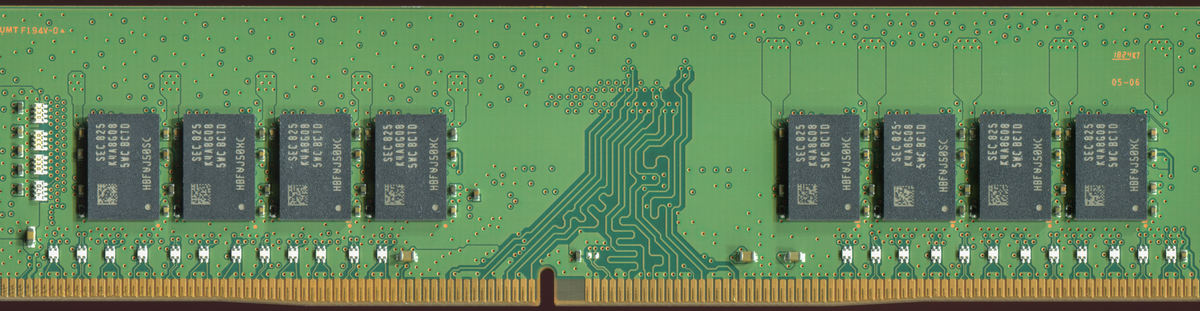
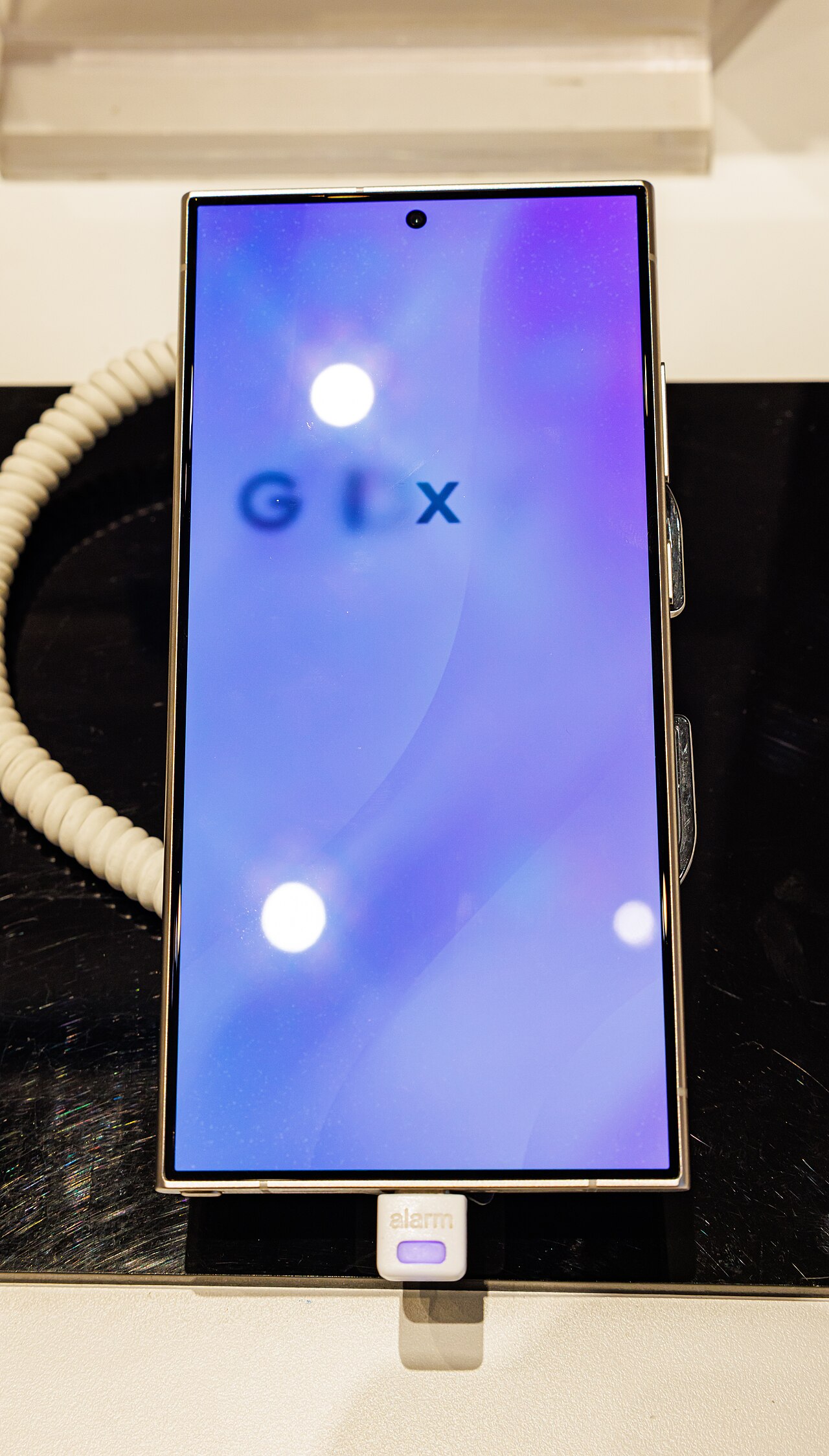
If your next phone feels shockingly expensive, you are not imagining it — and the reason has almost nothing to do with the phone itself. A brutal surge in memory chip prices, driven by the AI boom, is pushing up the cost of building every smartphone in 2026, and brands like Samsung and Apple are starting to pass that bill straight to you. Analysts at Gartner expect smartphone prices to climb around 13% versus 2025.
What’s happening
The culprit is memory — the RAM and storage chips inside every phone. In the second quarter of 2026, prices for LPDDR5X (the RAM used in phones) spiked by as much as 89%, according to industry trackers. Gartner estimates a combined surge of roughly 130% in DRAM and SSD prices by the end of the year. That is not a rounding error; it is a fundamental cost shock hitting the industry all at once.
To put it in concrete terms: TrendForce data suggests the combined cost of 16GB of LPDDR5X memory and 1TB of UFS 4.1 storage crossed $280 per device in early 2026 — meaning the memory in a flagship now costs more than its main processor, Qualcomm’s Snapdragon 8 Elite Gen 5.
Why memory suddenly costs so much
Blame the data center. The three companies that make most of the world’s memory — Samsung, SK Hynix, and Micron — have pivoted their limited factory capacity toward high-bandwidth memory (HBM) for AI servers, where margins are far higher. Hyperscalers like Microsoft, Google, Meta, and Amazon are buying it as fast as it can be made to feed their AI ambitions.
The result is simple supply-and-demand: every wafer allocated to an HBM stack for an Nvidia AI GPU is a wafer not going into the memory module of your phone. Consumer gadgets are competing with the AI industry for the same silicon — and losing.
Who gets hit hardest
Counterintuitively, the pain is worst at the bottom of the market. Premium phones from Apple and Samsung carry fat enough margins to absorb some of the cost, so a $1,200 flagship might swallow part of the increase. But on a cheap or mid-range phone, memory is a huge slice of the total build cost — so those are the devices seeing the sharpest price hikes or quiet spec downgrades (less RAM or storage for the same money).
It is the same squeeze reshaping other gadgets. The new wave of AI laptops and even storage upgrades are affected — the reason a good SSD may cost more this year is the exact same memory crunch.
There’s a sneaky knock-on effect worth watching, too: to protect familiar price points, some brands are quietly shipping less memory — a phone that offered 12GB of RAM last year arriving with 8GB this year at the same sticker. So the hit isn’t always a bigger number on the tag; sometimes it’s the same price for a slightly weaker phone. Read the spec sheet closely before you buy.
What it means for you
A few practical takeaways if you are shopping in 2026:
- Buy the storage you need up front. Paying to jump from 128GB to 256GB is more expensive than ever, so knowing whether your storage actually fills up matters more than usual.
- Consider holding your current phone longer. If prices are up 13% and specs are quietly shrinking, this is not a great year to upgrade for the sake of it.
- Look harder at last year’s flagship. A 2025 model often gives you more phone per dollar than a spec-trimmed 2026 release.
What’s next
Analysts do not expect meaningful relief until memory makers add capacity, which takes years, not months — so elevated prices are likely to stick through 2026 and possibly beyond. In the meantime, the smart move is to treat memory as the premium it has become: buy deliberately, and don’t overpay for a spec bump you won’t use. If you are weighing an upgrade, our no-nonsense guide to choosing a smartphone walks through what’s worth paying for right now. (Figures per Gartner, TrendForce, IDC, and CNBC.)
Featured image: DDR4 memory module by PantheraLeo1359531, Wikimedia Commons (CC BY 4.0)
Deixe um comentário