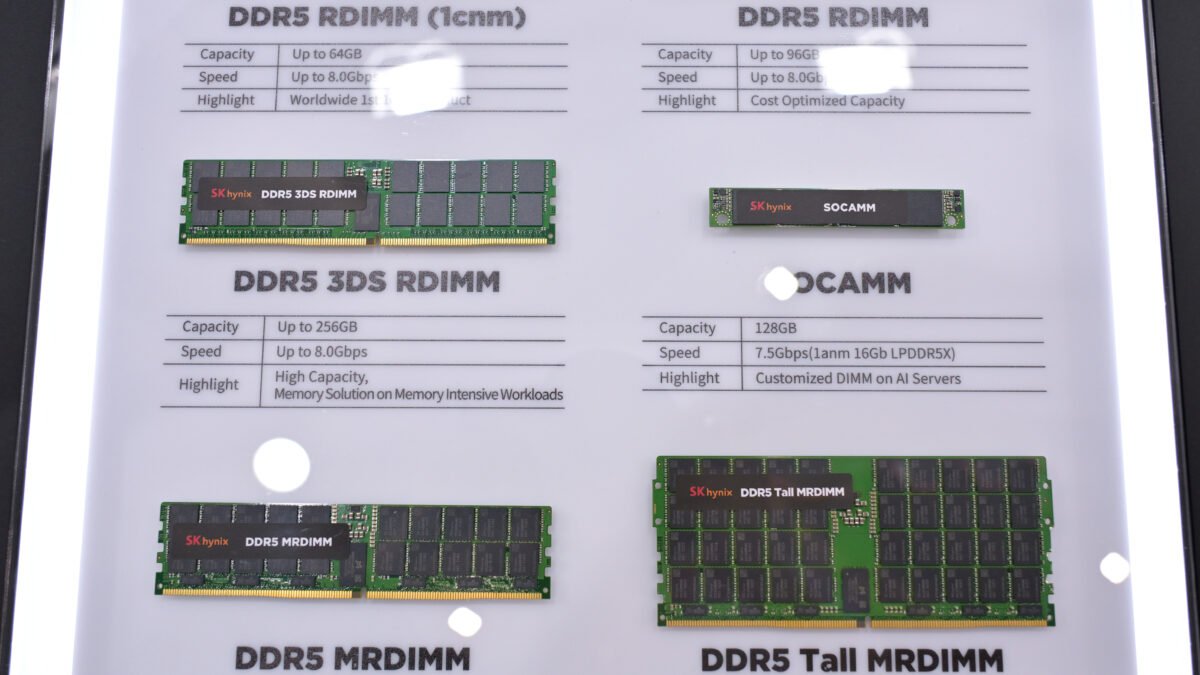
Here’s a number that should make you wince: a 32GB kit of DDR5 memory that cost around $100 last September is now running well over $400. Same speed, same capacity, same two sticks of silicon in a blister pack. The only thing that changed is that everyone on Earth suddenly wants the same chips your PC needs to boot.
We’ve covered the RAM price crisis before — our DDR5 buy-or-wait breakdown from late July laid out just how fast contract prices were climbing. What’s changed since then isn’t just “still bad.” It’s a specific, verifiable detail that makes this shortage look less like a temporary supply hiccup and more like a multi-year reality: memory manufacturers have reportedly already sold out their entire 2027 production capacity. Not “mostly booked.” Sold out.
How Bad Is It Right Now?
Let’s put some numbers on the pain. Global DRAM contract prices rose an estimated 90–95% quarter-over-quarter in the first quarter of 2026. Then, instead of cooling off, they climbed another 58–63% in Q2. Analysts are now projecting a “smaller” 10–15% quarter-over-quarter increase for Q3 — which is only reassuring if you forget that a 10% jump on top of an already-doubled price is still real money.
For consumers, that compounding math is why a memory kit that felt like a rounding error in a PC build a year ago is now a line item people actually budget around. And it’s not isolated to RAM — NAND flash, the chips behind SSDs, is riding the same wave for the same reason.
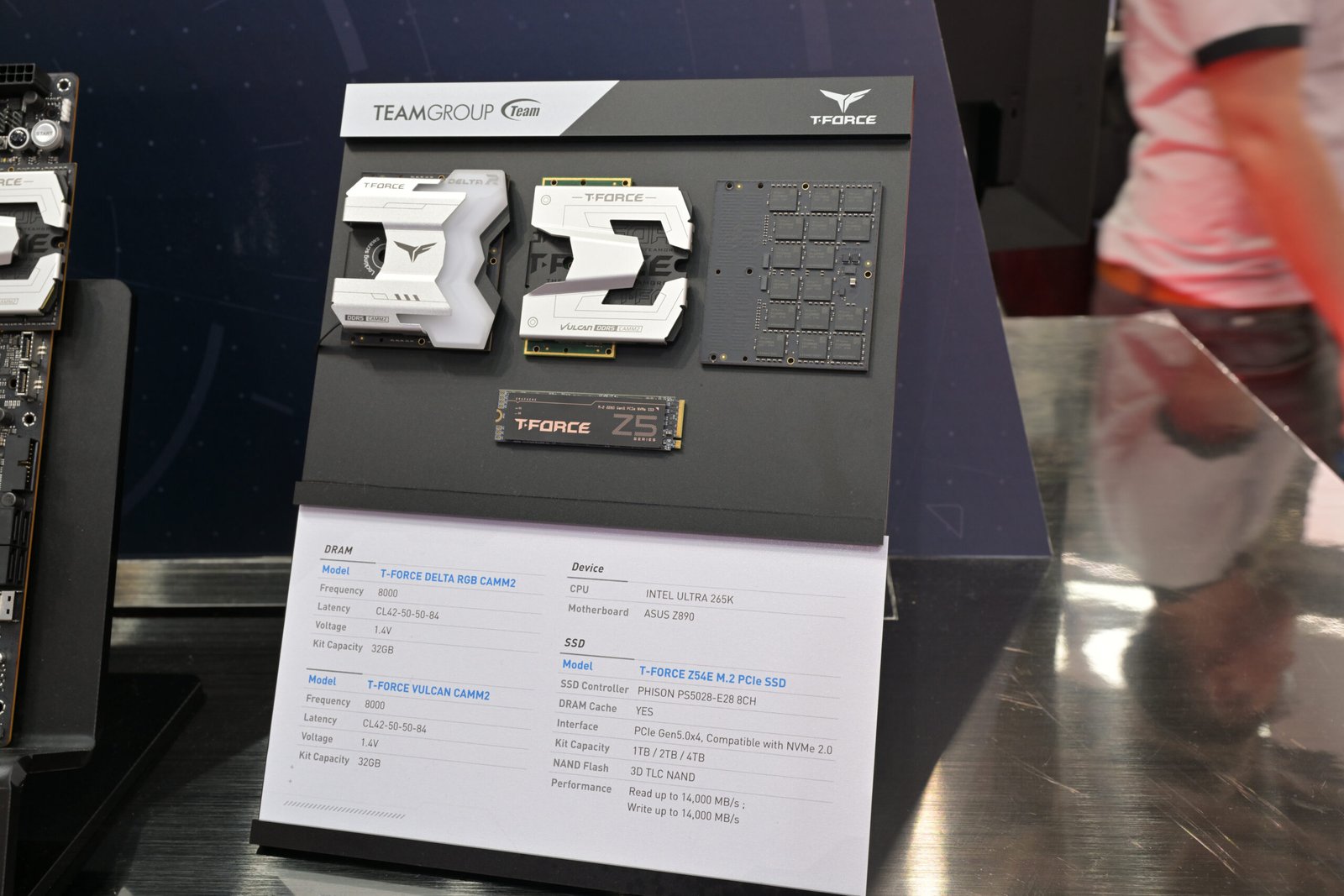
CAMM2 memory modules on display at Computex 2025. Photo: 4300streetcar, CC BY 4.0, via Wikimedia Commons.
Why AI Data Centers Are Eating the Supply
The short version: the same DRAM fabs that make the memory in your laptop also make high-bandwidth memory (HBM) for AI accelerators, and HBM is dramatically more profitable per wafer than standard consumer DDR5. When Samsung, SK Hynix, and Micron have to choose between allocating a production line to $40 sticks of gaming RAM or the memory going into a six-figure AI server, the decision isn’t close.
So manufacturers have been quietly shifting capacity toward HBM and away from commodity DRAM, even as demand for consumer PCs and phones stayed roughly normal. Less supply, same (or growing) demand, equals the price chart you’d expect. AI data center operators aren’t buying a little more memory than usual — they’re buying at a scale that reorders the entire industry’s priorities.
The 2027 Sold-Out Bombshell
Here’s the part that should change how you think about this. It’s one thing for prices to be high right now because of a temporary crunch — crunches end. It’s another thing entirely when the three companies that make almost all the world’s DRAM have reportedly already sold their entire 2027 production capacity to buyers. That’s not a shortage that resolves itself next quarter. That’s a shortage with a contractual floor under it for the next 12-plus months, regardless of what consumer demand does in the meantime.
Think about what that actually implies: even if AI spending cooled tomorrow, the memory that would have gone to relieve consumer prices next year is already spoken for. The supply constraint isn’t reacting to today’s demand anymore — it’s locked in by deals signed before you read this sentence.
What This Means for Your Next PC, Laptop, or Console
This is showing up well beyond the DIY PC-building crowd. Lenovo, Dell, HP, Acer, and ASUS have all warned that laptop prices could rise 15–20% in 2026 because of DRAM and NAND costs, with some estimates creeping toward 30% if component shortages keep worsening. If you’re shopping for a new machine, our laptop buying framework digs into how to time a purchase and where the extra cost is actually landing on spec sheets.
Consoles haven’t been spared either. Between memory costs and broader chip-supply pressure, both major console makers have pushed prices up this year — part of the same ripple effect we discussed when covering AMD’s chip earnings and falling stock despite a strong quarter. Wall Street is nervous specifically because component costs like DRAM are squeezing margins across the entire hardware industry, not just gaming PCs.
Is There Any Way Around It?
Not really — not in the way people hope. There’s no clever workaround that dodges a global commodity shortage. A few things are worth knowing anyway. Pre-built PCs and laptops with memory already soldered in at time of manufacture are somewhat insulated from week-to-week spot pricing, since OEMs lock in supply contracts ahead of time — part of why some of those 15–20% price hikes are phased in gradually rather than all at once. Used and refurbished DDR4 and older DDR5 kits, by contrast, are seeing their own secondary-market price spikes as buyers who can’t stomach current retail prices go hunting for anything already in circulation.
If you’re building or upgrading a system this year, the least-bad approach is usually to buy exactly the capacity you need for the next 12–18 months rather than “future-proofing” with double the RAM on the assumption that prices will normalize soon. Based on the production numbers above, they won’t — at least not on the timeline most builders are hoping for.
When Might Prices Actually Drop?
Fab expansion is not a light switch. Building new DRAM capacity, or converting existing lines, takes 18 to 24 months minimum from the decision to the first shipped wafer — and that’s before accounting for the fact that companies like TSMC are already stretching their own multi-billion-dollar capex plans across AI logic chips, not just memory. Even in the best-case scenario where manufacturers decide today to prioritize consumer DRAM again, meaningful relief wouldn’t show up on store shelves until sometime in 2027 at the earliest — and given that 2027 capacity is reportedly already claimed, “earliest” might be optimistic.
The more realistic timeline most industry watchers are circling is 2028, which is exactly why framing this as “wait a few months” undersells what’s actually happening.
The uncomfortable truth is that RAM prices in 2026 aren’t a glitch in the market — they’re the market working exactly as designed when one type of buyer suddenly needs more of a finite resource than everyone else combined. Whatever machine you’re using to read this article was built in a world where memory was cheap and boring. The next few years of PC, laptop, and console pricing are going to be shaped by the fact that it suddenly isn’t either.
Leave a Reply