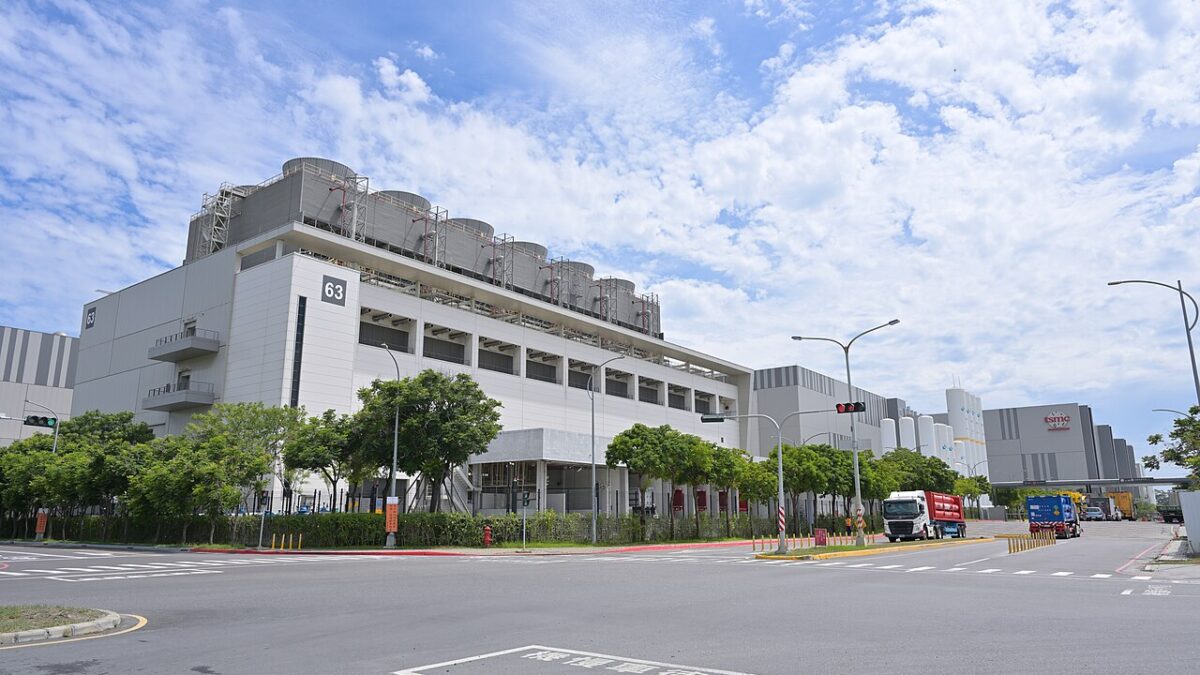
TSMC just posted a record $40.2 billion quarter — and instead of sitting on the cash, it’s spending even more. The chipmaker raised its 2026 capital budget to $60-64 billion, about $4 billion above what it told investors a few months ago, and it’s doing this at the same time it’s reportedly hiking the prices it charges customers like Nvidia and Apple. If you’ve been wondering why GPUs and phones keep creeping up in price, this is a big part of the answer.
Here’s the honest truth about what’s happening: TSMC isn’t struggling. It’s the opposite problem — demand for AI chips is so far ahead of supply that even the world’s largest chipmaker can’t build fabs fast enough. Full-year sales growth is now guided above 40%, and 70-80% of that new $64 billion is going straight into advanced-node capacity: 3nm and 2nm production, the processes behind every high-end GPU and flagship phone chip shipping this year.
Where the money’s actually going
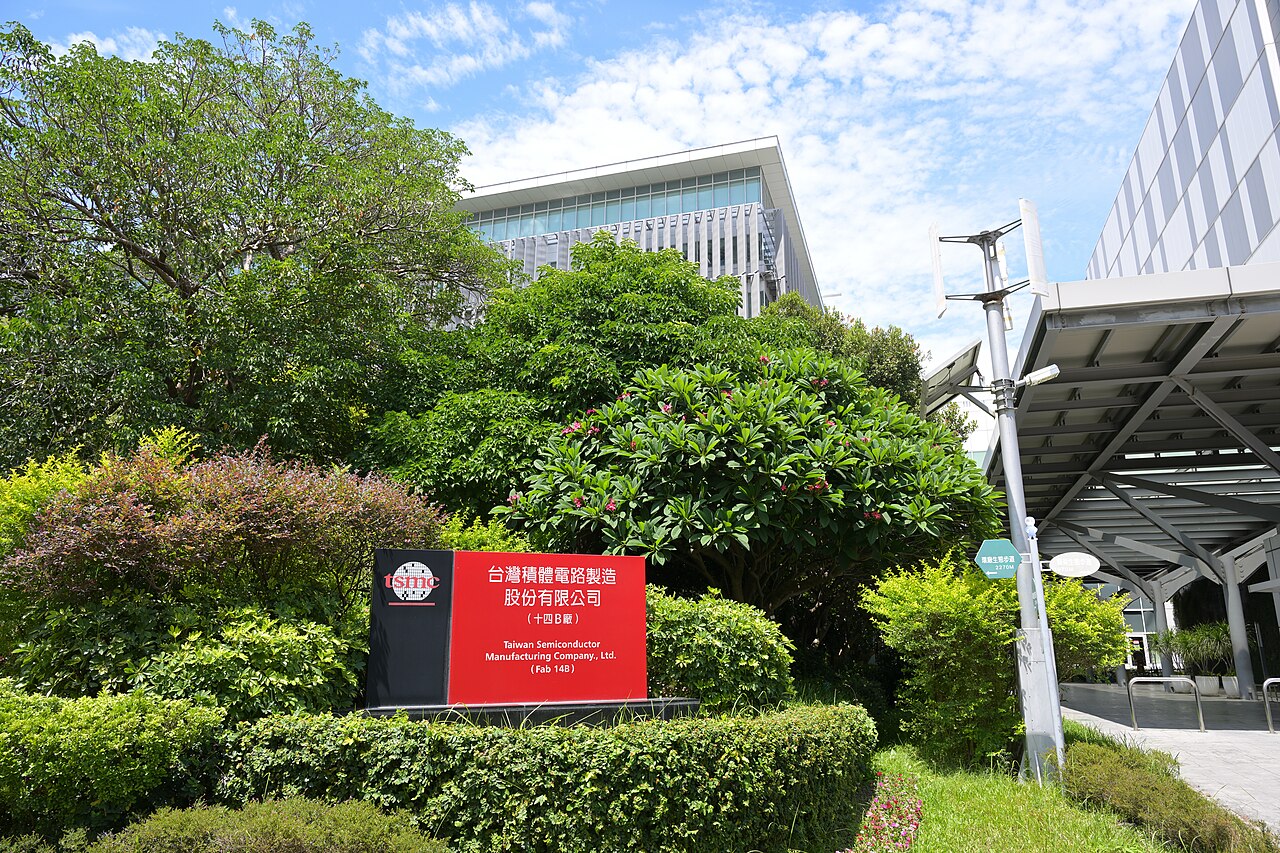
A big chunk lands in Arizona. TSMC pledged another $100 billion for at least four more 2nm fabs there, stacking on top of the existing $165 billion project — already described as the largest single foreign direct investment in U.S. history. That’s not a modest expansion; that’s TSMC betting the AI boom has years left in it, not months.
Apple, for its part, has reportedly locked down more than half of TSMC’s initial 2nm capacity for the next generation of iPhone chips — a sign of just how tight this supply actually is. When the company that can outbid everyone else for wafers still can’t get all the capacity it wants, that’s the clearest signal that “just wait for shortages to ease” isn’t a realistic plan for 2026.
The part that hits your wallet
Here’s where it gets less abstract. Alongside the capex raise, separate reporting says TSMC is pushing through price hikes of 3-10% across its N7 through N3 nodes starting this year — and 2nm wafers are expected to cost north of $30,000 each, more than 50% above what a 3nm wafer runs today. These aren’t small numbers, and they’re not one-time either: TSMC has reportedly mapped out increases stretching through 2029.
That cost lands on Nvidia, AMD, Apple, and Qualcomm first — together they account for roughly three-quarters of TSMC’s wafer revenue. None of them eat a cost increase like that quietly. Nvidia’s GPU margins are already stretched by the AI datacenter gold rush; expect that pressure to keep showing up in consumer GPU pricing rather than getting absorbed. We’ve already tracked how this is playing out with the RTX 5090’s inflated street price, and it’s the same underlying story: not enough advanced-node capacity, more demand than supply, and a manufacturer with the leverage to charge more for it.
Should you actually wait to buy?
It’s tempting to read “TSMC raising prices for four straight years” and conclude you should just wait for the whole thing to blow over. It won’t — this is a multi-year structural shift, not a temporary spike you can dodge by holding off six months. If anything, prices at the low-to-mid end of the GPU and phone stack tend to hold steadier than flagship prices, since manufacturers protect volume tiers longer. We break down the actual buy-now-or-wait math in more detail in our GPU buying guide, and if you want the bigger picture on how chip supply is rippling through component prices generally, our piece on the chip stock selloff and RAM/GPU pricing covers the memory side of this same squeeze.
The short version: TSMC isn’t raising prices because business is bad. It’s raising them because business is too good, capacity is finite, and everyone building a high-end GPU or phone in 2026 is standing in the same line waiting for wafers. According to Tom’s Hardware, the increases cover nodes representing roughly 74% of TSMC’s total wafer business — which is another way of saying there’s no cheap corner of the chip supply chain left to hide in.
None of this means prices double overnight. It means the gradual creep you’ve probably already noticed in GPU and flagship phone pricing over the past year has a real, structural cause behind it, and it’s not going away when the current product cycle ends. Budget-tier hardware built on older, cheaper nodes is the one part of the market that’s mostly insulated — worth keeping in mind if you’re shopping on a deadline rather than chasing the newest chip.
Deixe um comentário