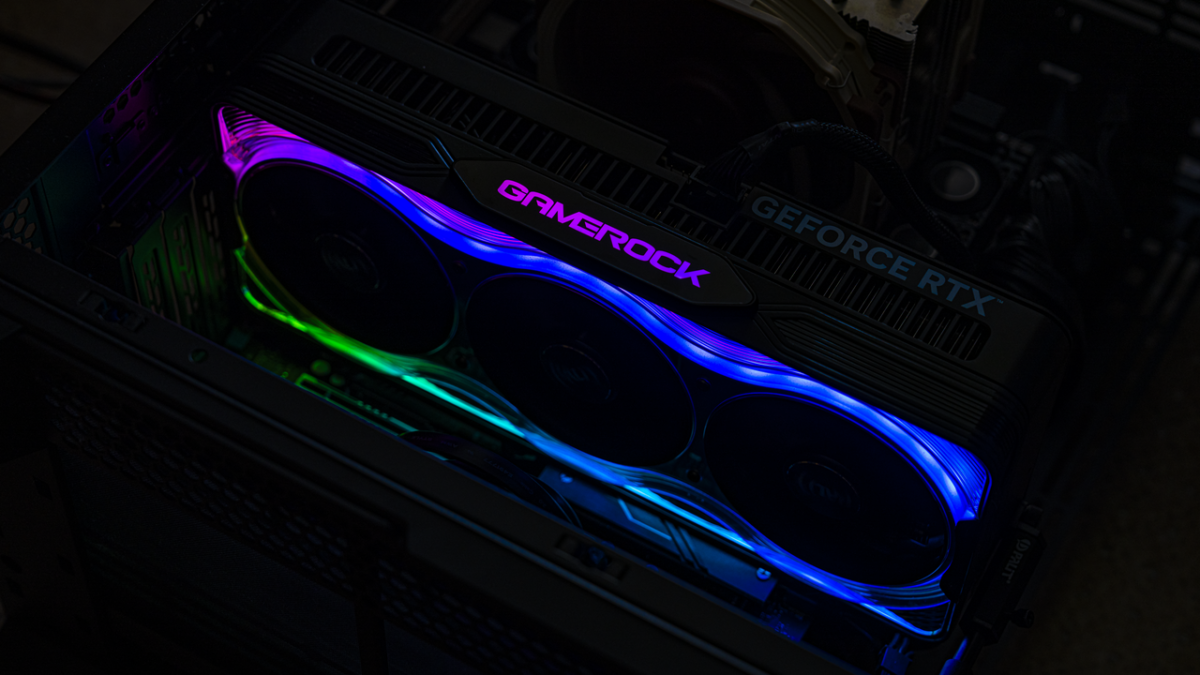
Nvidia will tell you the RTX 5090 is in production, on shelves, and available to anyone who wants one. The market says otherwise. Six months after launch, the card that shipped at a $1,999 MSRP now lists above $4,300 on Amazon — more than double, for a product that officially never stopped being made. That’s not a market correction. That’s the signature of a paper launch: a product announced and technically released, but never actually stocked in quantities that matter.
My position: Nvidia isn’t “selling out” of RTX 5090s in the normal sense. It’s allocating just enough wafer capacity to GeForce to keep the headline alive while quietly routing the real supply toward AI accelerators that make far more money per chip. The consumer GPU market is being used as a press release, not a product line.
The Launch That Told You Everything
The Founders Edition sold out in about three minutes. Board-partner cards lasted five to ten. Micro Center, Best Buy, and Newegg all went dark within the hour and stayed that way for weeks. If a single retailer sells out fast, that’s demand. When every major retailer sells out simultaneously and stays empty for a month, that’s supply — or the deliberate lack of it.
By mid-2026, market trackers had the RTX 5090 sitting around $2,999 — already 50% over its launch MSRP — before climbing further to today’s $4,300+. That’s not a single spike from one panicked restock. That’s a card that has spent essentially its entire retail life above sticker price, with no sustained window where a normal customer could walk into a store and buy one at $1,999. Ask yourself when the last “real” MSRP sale actually happened, and the honest answer for most buyers is: never.
Why Nvidia Would Rather Not Sell You a GPU
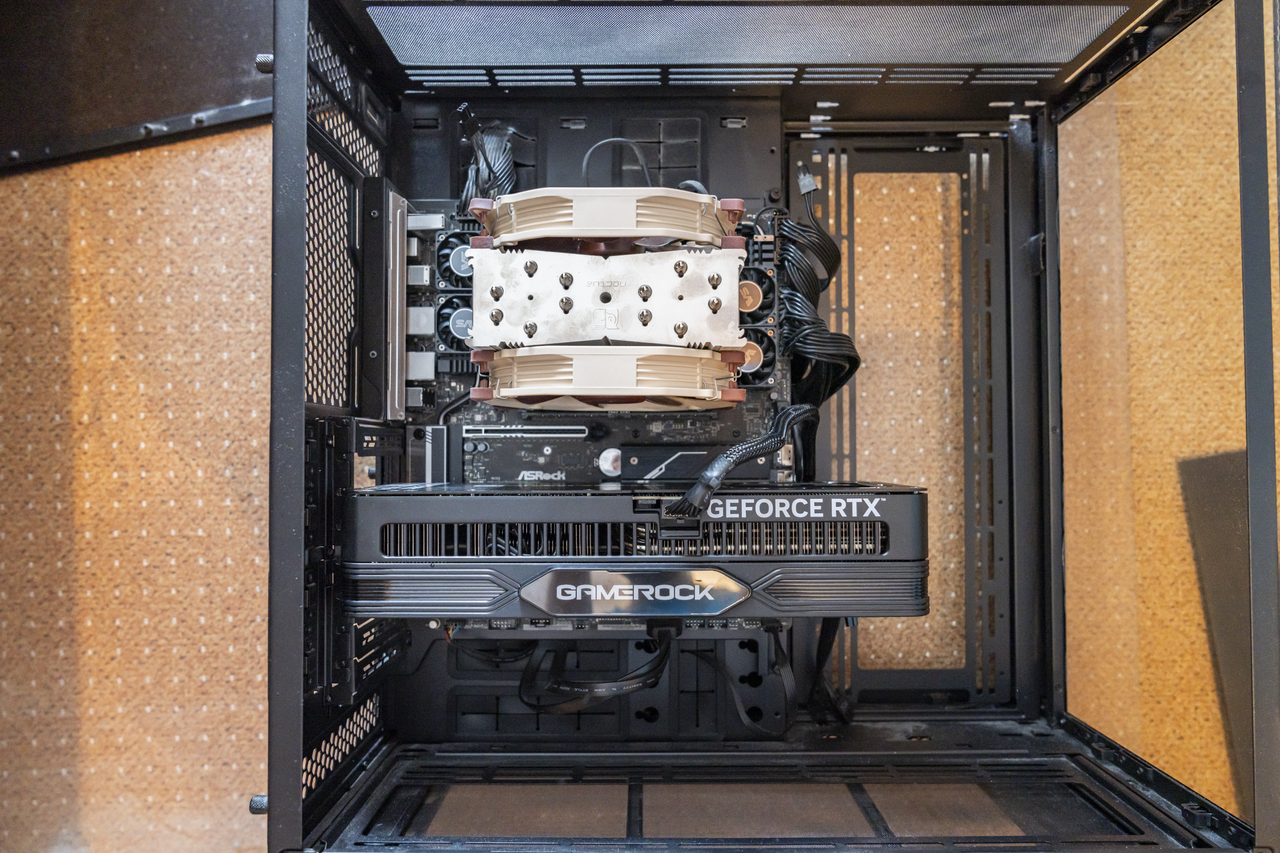
Here’s the part Nvidia doesn’t put in a keynote slide: the GB202 die inside the RTX 5090 is cut from the same wafer allocation as the GB200 chips powering AI datacenters. Every wafer sent to GeForce production is a wafer not making a GB200 — and a GB200 sells for a five- or six-figure sum to a hyperscaler, not $1,999 to a gamer. We’ve covered why GDDR memory itself has gotten this expensive, but the wafer math is the deeper story: Nvidia has every financial incentive to starve the consumer line and let scarcity do the pricing for them.
Reports put the production cut at up to 40% earlier this year. That’s not a supply chain accident. That’s a company choosing where its silicon goes, and gamers are not the priority.
This Isn’t Nvidia’s First Paper Launch — But It Might Be the Most Cynical
Gamers have seen this movie before. The RTX 3080 launch in 2020 sold out in seconds during a pandemic-driven demand spike, and the RTX 4090 had its own rocky first weeks in 2022. Both times, Nvidia’s defense was demand outstripping a genuinely constrained supply chain — GPU shortages were an industry-wide story during the chip crunch, and every manufacturer was fighting the same fab capacity.
What’s different this time is that the constraint isn’t external. There’s no global chip shortage forcing Nvidia’s hand the way COVID-era logistics did in 2020. TSMC has capacity. The wafers exist. Nvidia is choosing not to fill GeForce orders because AI silicon printed from the same production lines is worth vastly more per unit. That’s not a supply chain failure landing on Nvidia — that’s Nvidia’s own capital allocation, and pretending otherwise in marketing material while gamers pay 4x MSRP is the cynical part.
“But It’s Not Just Nvidia” — the Devil’s Advocate Case
To be fair, this isn’t a pure Nvidia story. AMD raised Radeon prices twice in six months for the same underlying reason — memory is scarce industry-wide, not just for Nvidia’s high-end die. VRAM now accounts for more than 80% of the bill of materials on a flagship card, according to market trackers, and that number is the same regardless of which logo is on the box. You could argue Nvidia is simply the most visible victim of a memory market that AI datacenters broke for everyone.
That argument holds up right up until you look at margins. AMD isn’t also selling GB200-class AI silicon out of the same fabs at 10x the margin. Nvidia is. The memory shortage is real and industry-wide — but Nvidia’s specific incentive to deprioritize GeForce is not shared by its competitors to the same degree, and that’s the part that turns “supply chain problem” into “paper launch by design.”
What This Actually Means If You Want One
If you’re chasing an RTX 5090 at anything close to MSRP right now, stop. That card effectively doesn’t exist at $1,999 anymore — you’re choosing between a scalper markup or watching a restock window that closes in under ten minutes. The realistic options are: pay the $4,300+ street price, buy used and hope the eBay listing is honest, or wait out a shortage that trackers currently project into at least the second half of 2026.
None of those are great, which is exactly the point. The broader chip market has priced in this scarcity as the new normal, not a temporary blip — so “wait a month for it to calm down” isn’t the safe bet it used to be.
There’s also a question worth asking honestly: does anyone actually need a $4,300 GPU? For 4K gaming at max settings, sure, the 5090 is the fastest card that exists. But the price-to-performance math has collapsed entirely — you’re now paying luxury-watch prices for what is, functionally, still a gaming peripheral. A step down to a card that’s actually in stock at something resembling its listed price will get most people 80% of the experience for a third of the cost, and won’t require refreshing a retailer’s stock page at 6 a.m.
If you’re set on getting one anyway, check current listings rather than chasing a specific retailer’s stock page — availability shifts by the hour: 🛒 Check RTX 5090 listings on Amazon
Deixe um comentário