You spec out a new build, add a 32GB DDR5 kit to the cart, and the price makes you check if you clicked the wrong listing. You didn’t. DDR5 RAM has quietly become one of the most expensive components in a modern PC, and if you haven’t priced memory since last year, the number waiting for you is going to sting.
Disclosure: decodegear.com may earn a commission if you buy through links in this article — at no extra cost to you.
Here’s what actually happened, whether it’s easing up, and how to decide if you should buy now or wait it out.
Why DDR5 prices exploded
This isn’t a supply-chain hiccup or a seasonal bump — it’s a structural shift in who fabs want to sell memory to. Samsung, SK Hynix, and Micron are the three companies that make almost all DDR5 in the world, and all three have been redirecting production capacity toward server DRAM and HBM (high-bandwidth memory) for AI data centers, where margins are dramatically better than consumer desktop kits. Every wafer that goes into an Nvidia AI server’s memory stack is a wafer that isn’t going into your gaming rig’s RAM sticks.
Multiple analyst firms tracking the memory market, including coverage from Newegg Insider, agree on the root cause even when they disagree on the exact numbers: this is demand-driven, not a fab accident. And because AI datacenter buildouts aren’t slowing down in 2026, there’s no reason for memory makers to change their allocation priorities on their own.
How bad is it, really?
Bad enough that “budget” and “premium” barely mean anything right now. A 32GB DDR5-6000 kit that cost around $80 in mid-2025 was pricing closer to $400+ by early 2026 — a jump of over 400% in under a year. A comparable CL30 premium kit that sold for under $90 in early 2025 now averages around $529. Broadly, prices across the DDR5 lineup have risen somewhere between 80% and 130% since September 2025 alone, and the trend hasn’t reversed.
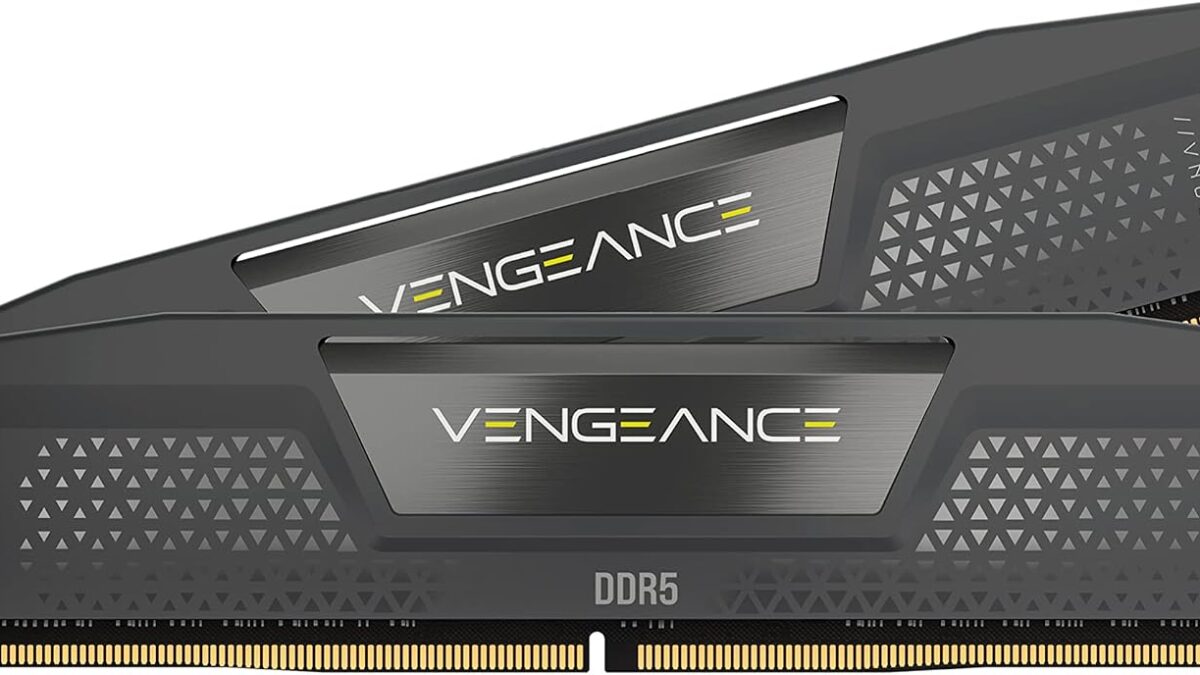
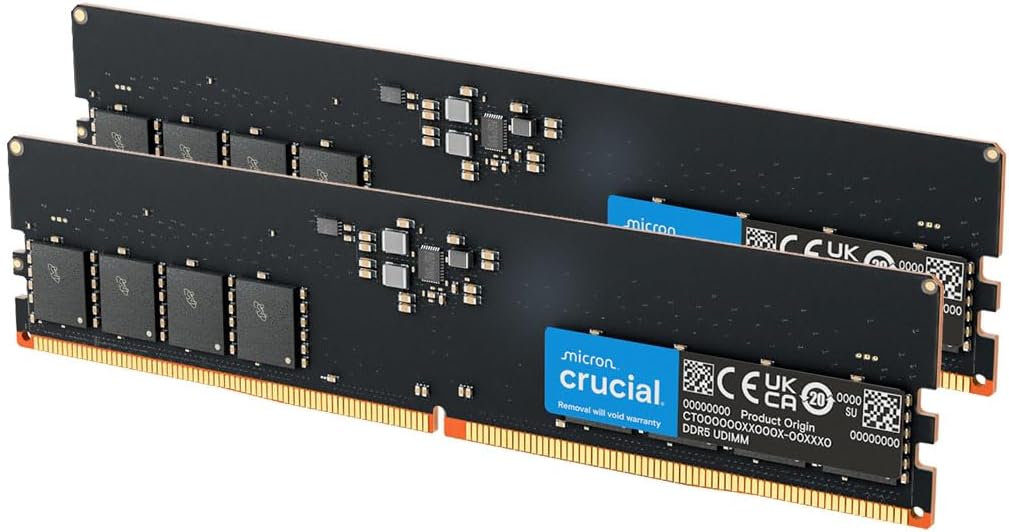
We checked live pricing on two kits people actually buy for new builds. The Corsair Vengeance DDR5 32GB (2x16GB) 6000MHz — the sweet-spot speed for current Intel and AMD platforms — is currently listed at $427.07. The Crucial 32GB DDR5 5600MHz kit, historically the no-frills budget pick, is currently $499.99 — yes, more expensive than the faster Corsair kit at the moment we checked. That’s not a typo; it’s the DDR5 market right now. Stock volatility on any given SKU can push a “budget” part above a faster “enthusiast” one for days at a time, which tells you how little slack is left anywhere in the supply chain.
If this feels familiar, it should — memory has done this before. The 2017-2018 DRAM price spike, driven by a different mix of smartphone demand and fab underinvestment, pushed RAM prices up sharply for roughly two years before supply caught up and prices normalized. The current squeeze has a different root cause (AI/HBM demand rather than mobile), but the shape of the cycle — fabs chasing the more profitable buyer while consumer parts go scarce and expensive — rhymes closely with that earlier episode. The difference this time is that AI datacenter buildout shows no sign of the kind of pullback that eventually ended the 2018 spike, which is exactly why analysts are pointing to a longer timeline before relief.
Buy now or wait? A decision framework
The honest answer depends on what kind of buyer you are, not on trying to time a bottom that analysts don’t expect to arrive soon.
You need it now (finishing a build, replacing dead RAM): buy now. Waiting on the promise of a near-term price drop isn’t supported by the data — the earliest window analysts are citing for meaningful relief is late 2027. That’s a multi-quarter bet, not a few-weeks bet. A dead or unusable PC today isn’t worth gambling against an 18-month forecast.
You’re planning a build for later in the year: you have more room to wait, but “wait” should mean watching for temporary dips and buying into them, not holding out for a return to 2025 pricing. That price isn’t coming back on any timeline currently being discussed.
You’re an enthusiast chasing the fastest possible kit for overclocking headroom: this is the worst possible year to be picky. Premium CL30 kits are seeing the steepest percentage increases of any DDR5 tier, so if raw speed isn’t mission-critical, a 6000MHz CL36 kit like the Corsair above gets you real-world performance parity with far less of the premium markup.
Two kits worth checking today:
Corsair Vengeance DDR5 32GB 6000MHz — $427.07 — 🛒 Check Price on Amazon
Crucial 32GB DDR5 5600MHz — $499.99 — 🛒 Check Price on Amazon
Pro tip: don’t ignore what you already own
If you’re upgrading an existing system rather than building fresh, check whether your current kit is actually the bottleneck before buying more. A lot of builders are dropping $400+ on new DDR5 to chase a speed bump their CPU and workload won’t meaningfully use. If storage speed is where your system is actually choking instead, our guide to NVMe vs SATA vs external SSD walks through how to tell which upgrade will actually move the needle for your setup. And if GPU pricing is squeezing your budget from the other direction too, we cover the same kind of supply pressure hitting graphics silicon in our Arc B390 piece — it’s not just memory that’s gotten expensive this year.
Frequently Asked Questions
Will DDR5 prices ever go back down?
Analyst consensus points to late 2027 at the earliest for meaningful relief, and even that’s contingent on AI datacenter demand cooling off — which isn’t currently happening. Treat any price under today’s average as a good buy, not as evidence of a reversal.
Should I just buy DDR4 instead to save money?
Only if your platform supports it and you’re not planning to upgrade your CPU/motherboard soon. DDR4 has its own supply constraints, and locking into an older platform to dodge one price spike can cost you more in a forced upgrade later.
Is it worth buying a slower, cheaper kit to save money right now?
Sometimes — but as our own price check shows, “cheaper” and “slower” aren’t reliably lining up together at the moment. Compare actual live prices before assuming the lower-spec kit is the lower-cost one.
Does more RAM capacity matter more than speed right now?
For most builds, yes. 32GB at a mainstream speed like 6000MHz will serve you better day-to-day than 16GB at a premium clock speed, and capacity kits haven’t seen quite as extreme a markup as the fastest speed tiers.
Bottom line: this isn’t a “wait two weeks” situation. If you need RAM, buy the kit that fits your platform and budget today — the wait-it-out math doesn’t favor patience here.
Deixe um comentário