Disclosure: This post contains affiliate links. If you buy through our links, we may earn a commission at no extra cost to you.
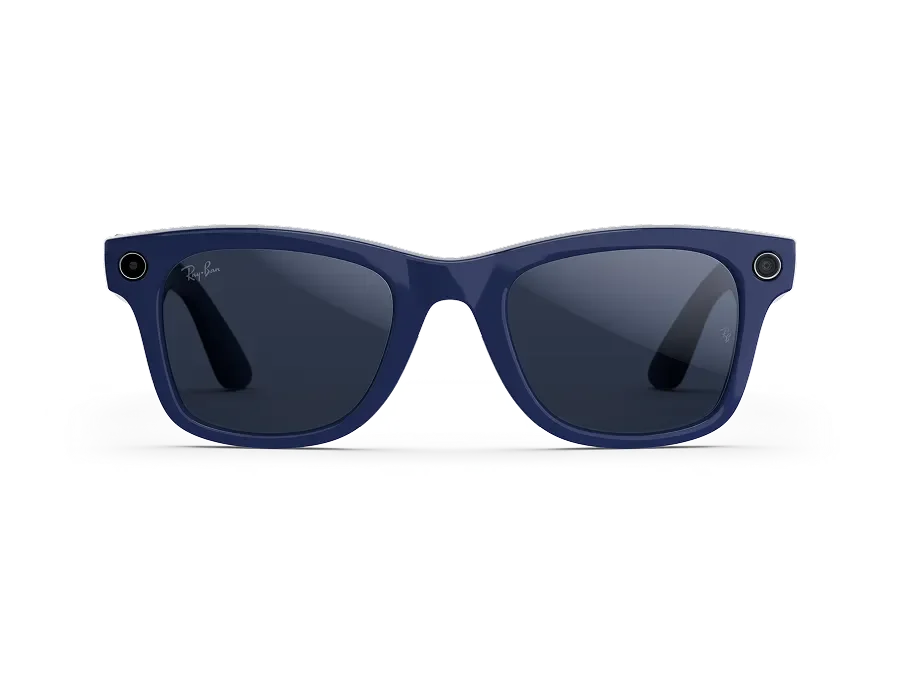
Smart glasses have been a tech punchline since Google Glass in 2013. Bulky. Weird-looking. A solution in search of a problem. The Ray-Ban Meta Gen 2 changed the conversation entirely. They look exactly like regular Ray-Bans. They have a 12 MP camera. They run Meta AI with real-time vision. And the battery lasts all day. At $379, they’re still a luxury — but for the first time, smart glasses actually make sense.
Quick Verdict
Ray-Ban Meta Smart Glasses Gen 2 — The most capable and wearable smart glasses available. Real-time Meta AI, 3K video, 8-hour battery, in a design that’s indistinguishable from regular Ray-Bans.
Score: 8.5/10 | Price: $379
Key Specifications
| Camera | 12 MP Ultra-Wide, 3K Ultra HD video at 60 FPS, HDR |
|---|---|
| AI Assistant | Meta AI with Live vision — identifies objects, translates, navigates in real time |
| Audio | Open-ear speakers, microphones for calls and voice commands |
| Battery | Up to 8 hours typical use; charging case = 48 hours total |
| Connectivity | Bluetooth, Meta View app (iOS & Android) |
| Styles | Wayfarer, Skyler, Headliner — clear, tinted, Transitions, polarized lenses |
| Weight | ~49g |
| Release | September 2025 |
What’s Actually New in Gen 2
The original Ray-Ban Meta glasses were impressive for their time but suffered from two critical limitations: a mediocre 12 MP camera with poor video quality and a battery that died mid-afternoon. Gen 2 fixes both. Video jumps to 3K Ultra HD at 60 FPS — legitimately good quality for social content and memory capture. Battery doubles to 8 hours of typical use, with the charging case pushing you to 48 hours between wall charges.
Meta AI with Live vision is the feature that makes these feel like a peek at the future. Point your gaze at a restaurant menu and ask “what’s good here?” — Meta AI reads it and responds through the open-ear speakers. Ask for directions and it navigates you turn-by-turn. Identify a plant, translate a foreign sign, get live sports scores — all without pulling out your phone. The Live AI session caps at ~30 minutes per use due to thermal and battery constraints, but for real-world use, that’s usually enough.
Design: The Biggest Win
Every competing smart glasses product compromises on design. Thicker temples. Weird sensor bumps. LEDs that scream “these are tech glasses.” The Ray-Ban Meta frames are genuinely indistinguishable from regular Ray-Bans to any observer. The recording LED is the only tell — and it’s subtle enough that most people don’t notice it.
This matters more than any spec. The reason people don’t wear smart glasses is social — they look strange. With Ray-Ban Meta, there’s nothing strange to see. You’re wearing Ray-Bans. That’s it.
Pros and Cons
Pros
- 100% Ray-Ban design — no one knows they’re smart glasses
- Meta AI Live with real-time object recognition and assistance
- 3K 60 FPS video — actually usable for content creation
- 8-hour battery + 48-hour charging case
- Direct Instagram/Facebook sharing from the app
- Multiple frame and lens options including prescription-compatible
Cons
- No display — all information delivered via audio only
- Meta AI Live limited to ~30 continuous minutes per session
- Privacy concerns: small recording LED may go unnoticed by others
- Requires Meta account and Meta View app
- Fixed camera position (upper right) limits shooting angles
How It Compares
| Glasses | Price | Camera | AI Assistant | Best For |
|---|---|---|---|---|
| Ray-Ban Meta Gen 2 | $379 | 12MP / 3K 60fps | Meta AI Live | Style + AI + content capture |
| Solos AirGo V2 | $249 | 16MP | ChatGPT | Budget-conscious tech users |
| Amazon Echo Frames Gen 3 | $269 | None | Alexa | Amazon ecosystem users, no camera |
| Oakley Meta Vanguard | $449 | Same as Meta | Meta AI Live | Athletes, sporty aesthetic |
Who Should Buy It
Ray-Ban Meta Gen 2 is for the early adopter who wants a genuinely useful AI assistant on their face — not a gimmick. Content creators will love the hands-free 3K video for first-person shots. Travelers benefit from real-time translation and navigation without constant phone use. People who are tired of pulling out their phone 80 times a day will find the Meta AI voice interface surprisingly habit-forming.
If you’re privacy-sensitive or uncomfortable with Meta’s data practices, these aren’t for you. If you want a screen in your glasses, you’ll need to wait for AR — these are audio-only. But if you want the most stylish, capable, and practically useful smart glasses available today at a price below $400, the Ray-Ban Meta Gen 2 is the only real answer.
Final Verdict
The Ray-Ban Meta Gen 2 is the first smart glasses product that doesn’t require you to sacrifice either style or functionality. The design is legitimately Ray-Ban quality. The Meta AI Live feature is genuinely useful. The 3K camera produces real content. At $379, they’re a luxury — but a useful one. If you’ve ever been curious about smart glasses without wanting to look like a cyborg, Gen 2 is the pair to try.
→ Check the latest price on Amazon
Frequently Asked Questions
Can I get prescription lenses in Ray-Ban Meta glasses?
Yes. Select styles are available with prescription lenses through Ray-Ban’s website. Clear lens frames are also compatible with aftermarket prescription inserts.
Do the Ray-Ban Meta glasses record without the LED showing?
No — a white LED activates whenever recording. However, it’s small and positioned on the temple, making it easy to miss in social situations. This has been a privacy debate point since Gen 1.
Does Meta AI work offline?
No. Meta AI requires an active internet connection via your paired smartphone. Wi-Fi or cellular data is needed for all AI features.
How is the audio quality for calls?
Solid for calls in quiet environments. The open-ear design means sound leaks in loud settings. For music, they’re acceptable for casual listening but not a replacement for earbuds.
Leave a Reply