Apple has reportedly scrapped a fall 2026 launch for the standard iPhone 18, pushing it — along with the iPhone 18e and iPhone Air 2 — to spring 2027. Only the iPhone 18 Pro, iPhone 18 Pro Max, and Apple’s first foldable phone are still on track for September.
The report comes from supply chain analyst Ming-Chi Kuo and was corroborated by MacRumors on August 12. Bloomberg’s Mark Gurman separately reports that Apple’s September keynote could land on the 8th or 9th, with preorders opening the 11th and sales starting the 18th — but that timeline covers the Pro models and the foldable, not the delayed standard phone.
What’s Actually Changing
Apple’s usual four-model September lineup is splitting into two waves for the first time. Wave one, September 2026: iPhone 18 Pro, iPhone 18 Pro Max, and a foldable widely referred to as the iPhone Ultra (some reports still call it the iPhone Fold). Wave two, spring 2027: the standard iPhone 18, the iPhone 18e, and the iPhone Air 2.
None of this is official. Apple has not confirmed a single date, name, spec, or price for any 2026 or 2027 iPhone — everything here is sourced to analysts and supply chain reporting, not an Apple announcement.
Why Apple Is Splitting Its Own Lineup
The simplest explanation is complexity. Apple went from four iPhone models in 2023 to a planned six across two launch windows now — Pro, Pro Max, Air, Air 2, standard, e-series, plus the foldable. That’s a lot of SKUs to build, test, and stock simultaneously. Nikkei Asia’s supply chain sourcing points to a more specific pressure: component cost bottlenecks, with a supplier citing the need for “supply chain smoothness” as a factor in staggering the release.
It’s the same logic behind the iPhone 18 Pro’s own price leak from a few weeks back — rising memory and chip costs are reshaping how Apple prices and schedules its lineup, not just what’s inside the box. A supply-chain breach at one of Apple’s assembly partners, reported separately in July, is a reminder of how exposed that manufacturing pipeline already is.
What We Know About the Foldable iPhone Ultra
If the delay is the headline, the foldable is the reason anyone’s still excited about September. Reporting points to a 7.8-inch foldable display, an A20 Pro chip, and a liquid-metal hinge that Kuo says is designed to minimize crease visibility and improve long-term durability — a direct answer to the biggest complaint about every foldable phone since the format existed. Camera-wise, expect dual 48MP rear sensors and dual 18MP front cameras, plus Touch ID instead of Face ID, likely a space-and-engineering tradeoff for the folding chassis.
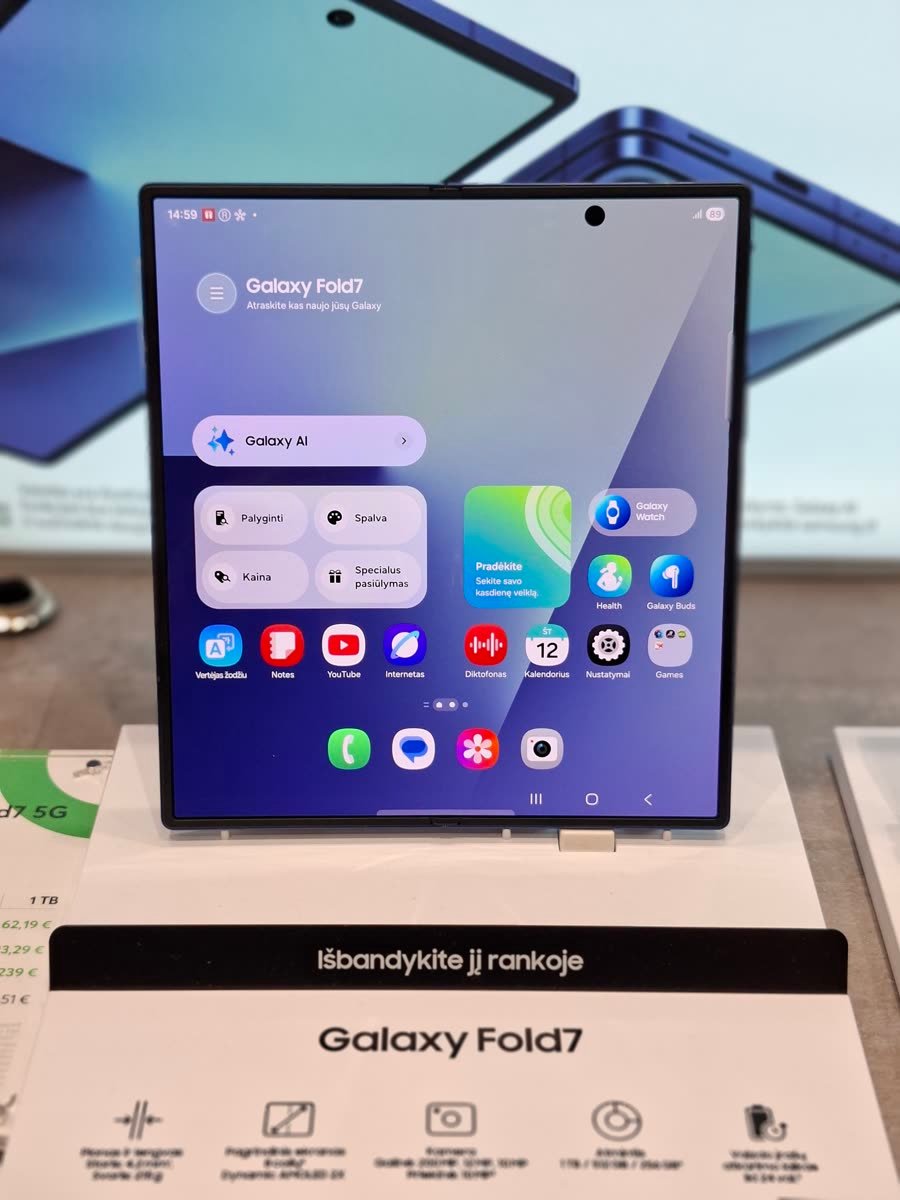
Price is the part that will actually determine how many people buy it. JPMorgan’s analyst estimate puts the starting price at roughly $1,999, with some reports floating figures as high as $2,500 depending on storage tier. For context, that’s Samsung Galaxy Z Fold8 Ultra territory — worth a look at Samsung’s own foldable buying guide if you’re weighing whether to wait for Apple’s first attempt or buy into the format now. Apple enters a foldable market that Samsung has been iterating on for seven generations, which is part of why the hinge engineering is getting so much attention from analysts — a visible crease or hinge wobble on a first-generation $2,000 phone would be a much bigger story than the same flaw on Samsung’s latest.
This wouldn’t be the first time Apple has staggered a launch to manage cost or supply. The iPhone SE line has shipped on its own schedule for years, arriving months after the flagship lineup rather than alongside it. What’s different this time is the reason: this isn’t a budget model getting a slower cadence, it’s the standard mid-tier iPhone — historically part of the main September wave — getting pushed out because of how expensive it’s become to build six distinct phones at once.
What This Means If You’re Waiting for a New iPhone
If you were planning to upgrade to a standard iPhone 18 this fall, that plan is reportedly off the table until spring 2027 at the earliest — a six-month-plus wait that changes the math on whether it’s worth holding onto your current phone a little longer. If you wanted the Pro, Pro Max, or you’re genuinely curious about Apple’s first folding phone, nothing changes: September 2026 is still the target, pending Apple’s own confirmation.
Treat every spec and price above as a rumor until Apple’s keynote actually happens. Kuo and Gurman have strong track records on Apple supply chain reporting, but “reportedly” is doing real work in every sentence of this story until Apple sends the invite.
Leave a Reply