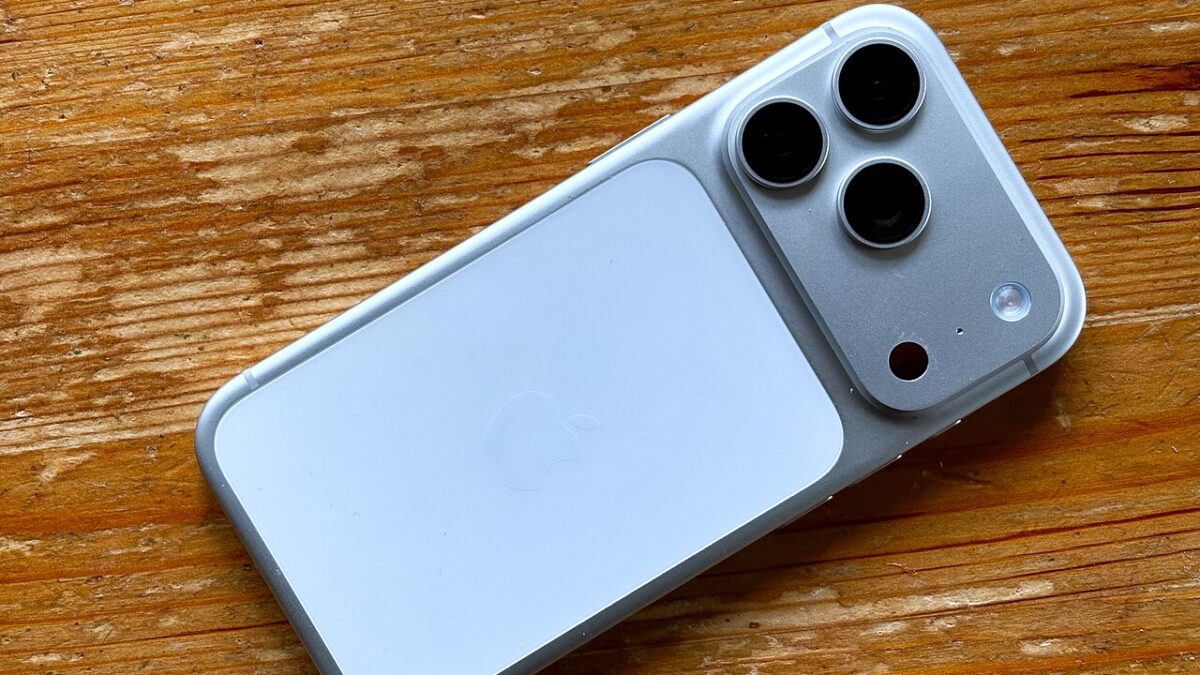
Apple’s iPhone 18 Pro and Pro Max, expected to launch in September 2026, could cost up to $200 more than last year’s models — and it’s not a design or camera upgrade driving the increase. According to IDC senior director of data and analytics Nabila Popal, the culprit is a global memory shortage that’s forcing Apple to pay roughly double for the RAM contracts behind this year’s chips.
How Much More Are We Talking?
IDC’s initial forecast pegged the hike at a modest $100 for the Pro line and $50 for the base iPhone 18. That estimate has since been revised upward after Apple already raised prices on Mac and iPad models earlier this year. Popal’s updated call: “the hike to iPhones may be even higher than what we assumed — perhaps even $200 to the Pro/Pro Max models.” Under that scenario, the iPhone 18 Pro would start around $1,249–$1,299 and the Pro Max around $1,349–$1,399, up from last year’s $1,199 and $1,299 starting points. A separate leak circulating out of China puts the Pro Max as high as 11,000 yuan (about $1,625) in that market specifically — treat that figure as unconfirmed and regional, since Chinese pricing includes different tax and import structures than the US.
Why Memory Is the Bottleneck, Not the Chip
Every iPhone 18 Pro model is expected to ship with 12GB of RAM, up from 8GB on most of the current lineup. Normally that would be a welcome spec bump. The problem is timing: AI data centers are buying up DRAM and NAND flash at a pace the industry hasn’t kept up with, and comparable Android flagships that already moved to 12GB have seen their own component costs jump $150–$200. Apple doesn’t get to skip that queue — it negotiates memory contracts like everyone else, just at a much larger scale. We covered the supply side of this squeeze in more detail in our report on TSMC’s record 2026 chip spending, which is the other half of why phone and GPU prices are both climbing this year.
What Might Soften the Blow
There’s one detail in the leaks that could offset sticker shock for some buyers: Apple is reportedly dropping the 256GB base storage tier on the Pro models entirely and starting everyone at 512GB instead. If that holds, a chunk of the price increase is arguably “paying for” double the storage you’d have gotten last year, not just inflation. It doesn’t erase the higher entry price, but it changes the value math — a $1,299 phone with 512GB built in looks different than a $1,299 phone with 256GB. Apple is also rumored to be leaning on a new $2,500 foldable iPhone to pull its average selling price up elsewhere in the lineup, which could, in theory, give Apple room to hold the line on Pro pricing longer than analysts currently expect.
What’s Next
None of this is official — Apple doesn’t comment on unreleased products, and pricing typically doesn’t firm up until the actual September keynote. But the RAM shortage itself isn’t a rumor; it’s already visible in memory-chip pricing across the industry, and it’s the same shortage squeezing Samsung’s latest flagships and PC builders alike. If you’re set on upgrading this fall, the safest read on the leaks is to budget for the higher end of the range and treat any price under $1,299 as a pleasant surprise rather than the baseline. For a look at how Apple’s closest rival priced its own 2026 flagship, see our recap of Samsung’s July Unpacked event.
Is This Normal for an iPhone Cycle?
Apple has held Pro-line starting prices flat for most of the last five generations, absorbing component cost increases rather than passing them to buyers outright — the last across-the-board Pro price hike was years ago. That track record is part of why analysts are treating this leak seriously instead of writing it off as routine speculation: a $200 jump would break a pattern Apple has actively protected, which only makes sense if the underlying memory costs are as bad as IDC suggests. It also means Apple has less room than usual to quietly eat the difference the way it has in past years when component costs ticked up modestly.
Sources: MacRumors, IDC (Nabila Popal), Android Headlines, Geeky Gadgets.
Deixe um comentário