Amazon Is Expanding Prime Air Drone Delivery to Nearly 500 US Cities by the End of 2026
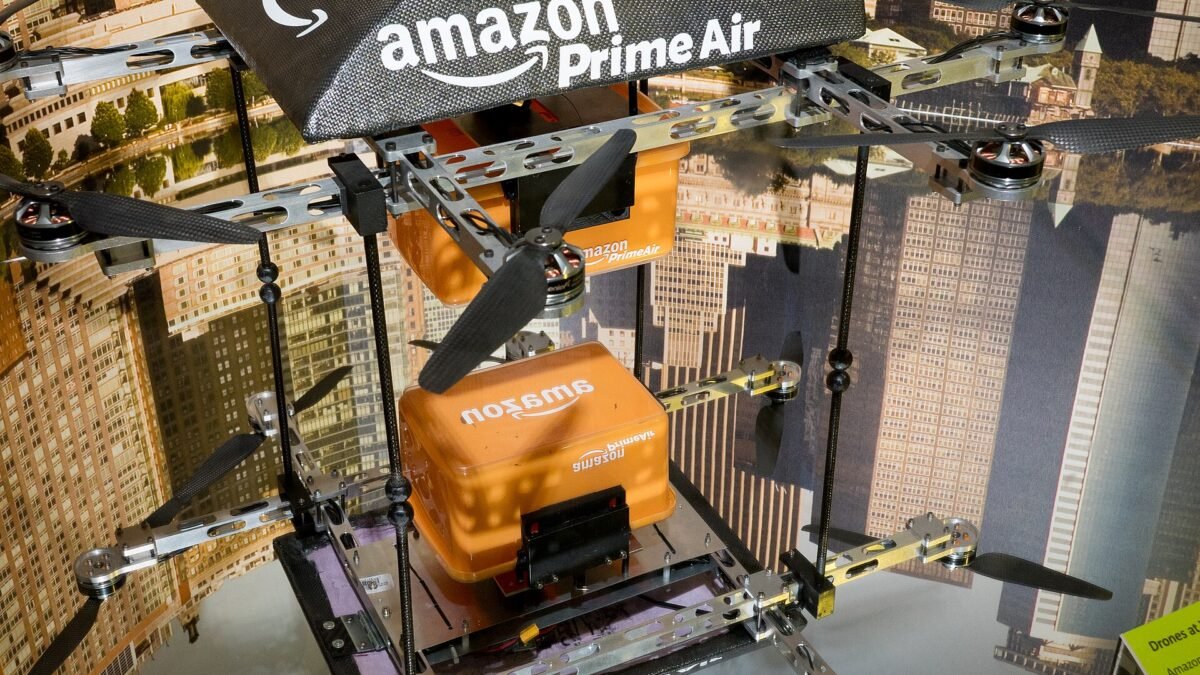
Amazon is preparing the biggest expansion of Prime Air drone delivery since the program launched, with plans to bring the service to nearly 500 U.S. cities and towns by the end of 2026. That’s a massive jump from the handful of metro areas the drones currently serve — and it signals Amazon is finally ready to scale a program that spent years stuck in limited pilot mode.
Where Prime Air Already Flies — and What’s Coming Next
Today, Amazon’s MK30 delivery drones operate in a small set of markets, including Phoenix, Arizona; Detroit; Houston; San Antonio; and Kansas City, alongside earlier pilot cities like Baton Rouge, Louisiana, where the MK30 made its debut earlier this year. The next wave of the rollout is expected to bring drone delivery to the areas around Chicago, Atlanta, Cleveland, Syracuse, and Boise — a mix of major metros and mid-size markets that suggests Amazon is no longer treating this as a big-city-only experiment.
By the end of 2026, Amazon says nearly 500 cities and towns across the country will have access to the service, though the company hasn’t published a city-by-city rollout calendar, so exact timing will vary by region.
How Prime Air Delivery Actually Works
The MK30 drone — the workhorse of the current fleet — can carry packages weighing up to 5 pounds, which Amazon says covers more than 60% of the items customers order most: small electronics, cosmetics, and everyday household essentials. The drone itself weighs about 83 pounds, cruises at roughly 73 mph at altitudes between 200 and 300 feet, and can deliver within a 7.5-mile radius of its launch point.
Eligible orders can arrive in as little as 30 minutes, though Amazon says the typical delivery lands closer to 60 minutes after checkout. The drone descends over the delivery address, drops the package from a hovering height, and returns to base — no human courier involved for that last mile.
Why Amazon Is Pushing Now
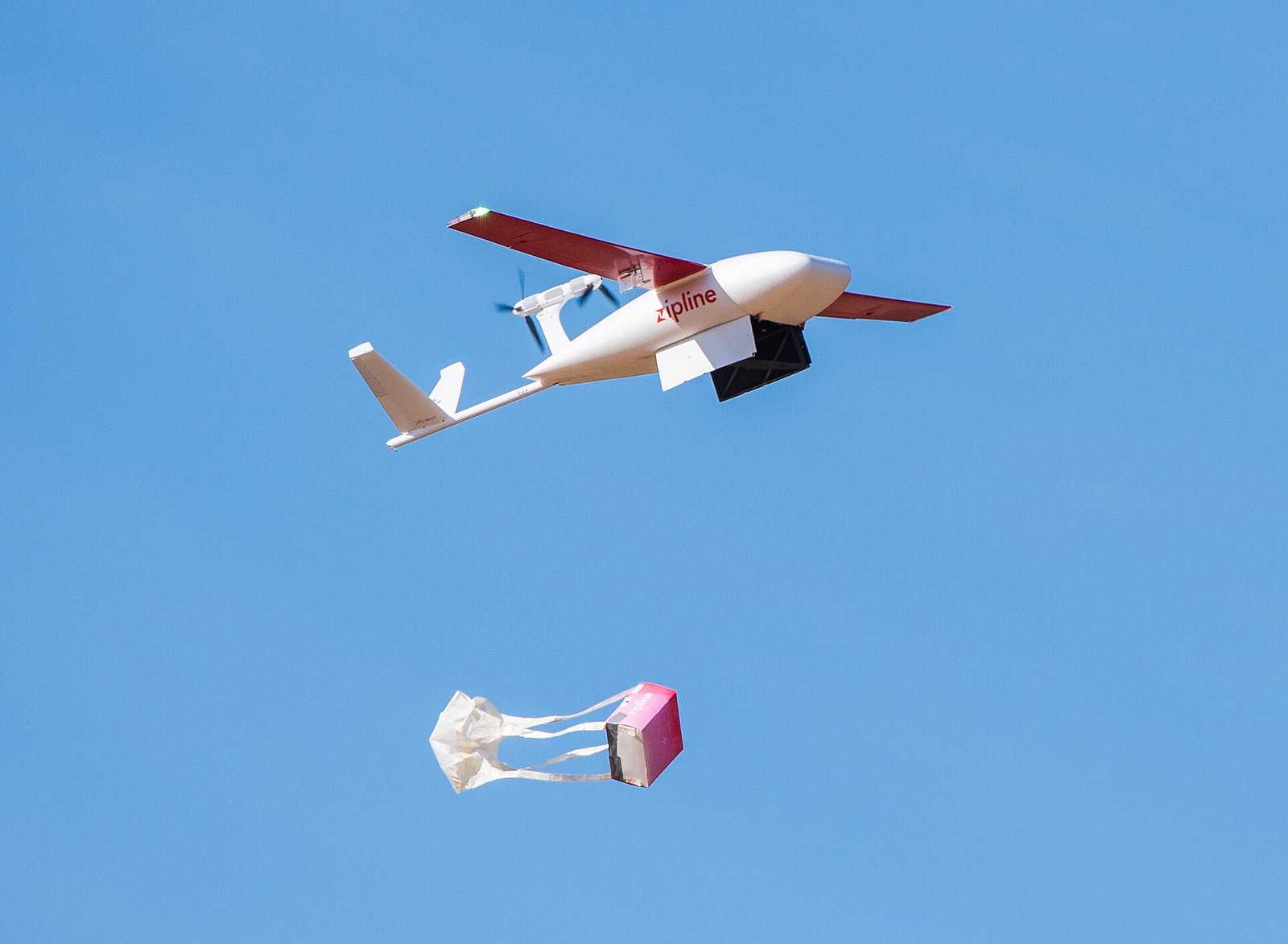
The expansion comes as Amazon faces growing pressure to defend its logistics lead against same-day and drone delivery pilots from Walmart and other retailers. Scaling Prime Air also required years of FAA approvals and safety testing that limited how fast Amazon could grow the program — approvals that appear to have cleared enough hurdles to support this jump from a handful of markets to nearly 500.
Amazon hasn’t said how many of the 500 target locations will get full drone coverage versus partial or seasonal service, so some markets on the list may see a slower rollout than the headline number suggests.
Noise, Privacy, and the Usual Drone Complaints
Every time Prime Air expands into a new market, the same concerns resurface from residents: noise from drones flying low over neighborhoods, privacy worries about cameras used for obstacle avoidance, and skepticism about whether a 5-pound weight limit is really useful for everyday shopping. Amazon has leaned on the speed pitch — a Tylenol run or a phone charger that shows up in 30 minutes instead of a day — to make the case that drone delivery fills a gap same-day and next-day shipping don’t.
Whether that pitch lands with nearly 500 new markets full of people who’ve never seen a delivery drone before is the real test of this expansion. Amazon’s earlier pilot cities took years to go from announcement to reliable daily service, so even markets on the initial list for this wave may not see drones overhead immediately. Amazon isn’t the only company betting on faster, more automated home delivery either — Google has been pushing its own home services push through Gemini-powered smart speakers, part of a broader race to own more of what happens at your front door.
What to Watch For
If you live in or near one of the newly announced markets, the practical way to know when Prime Air arrives is to check the delivery options at checkout on eligible Amazon.com orders — the drone option only appears for addresses inside an active delivery zone. Expect Amazon to keep adding markets in waves through the rest of 2026 rather than all at once, and expect the company to prioritize markets where FAA airspace approvals are already furthest along. And if 30-minute drone delivery has you rethinking what “emergency backup” gear you actually need at home, it’s worth a look at our guide to the best portable power stations for blackouts — the kind of purchase Prime Air is explicitly designed to speed up.
Leave a Reply