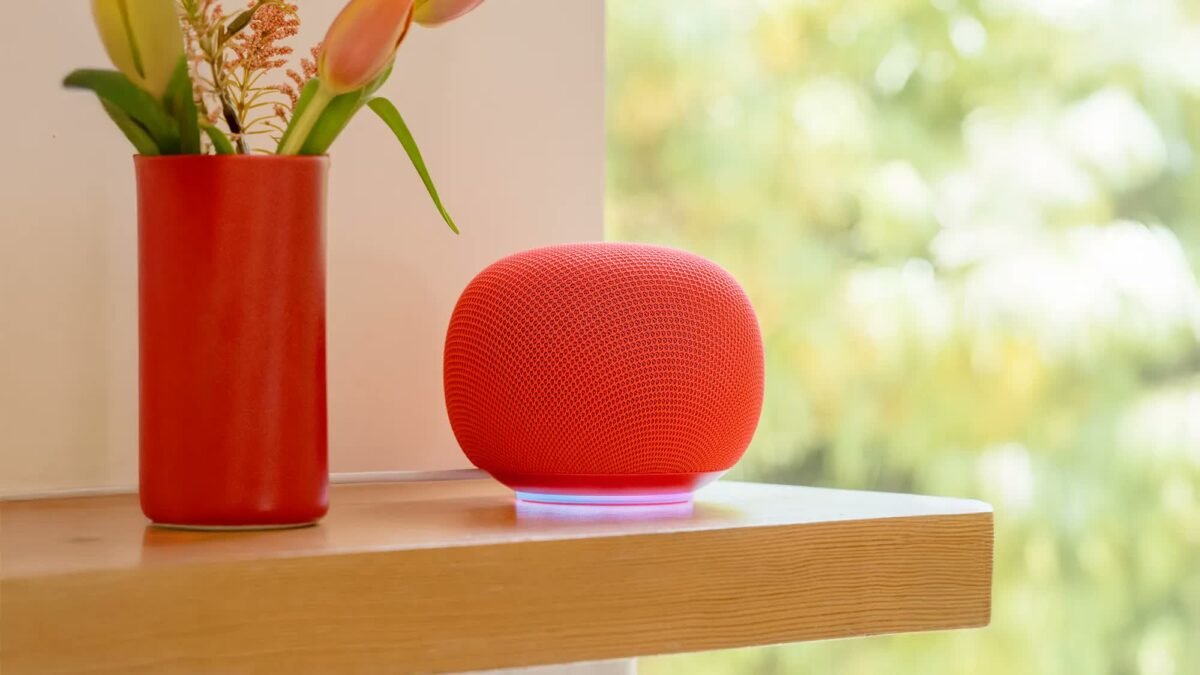
Google waited six years to replace the Nest Audio. When the Google Home Speaker finally shipped on June 25 for $99, the wait itself became the story — but not for the reason Google probably hoped. The speaker that’s supposed to prove Google can still build hardware people want turned out to run on a business model borrowed straight from streaming services, and the internet noticed immediately.
Here’s the part that surprised almost every reviewer who unboxed one: the Gemini AI that’s the entire reason to buy this speaker over a $50 Echo Dot doesn’t fully work out of the box. To get Gemini to parse what your Nest camera just saw, hold a natural back-and-forth conversation, or build a custom automation from a plain-English request, you need a Google Home Premium subscription — $10 a month, or $100 a year, on top of the $99 you already paid for the hardware.
What the Google Home Speaker actually gets you for $99
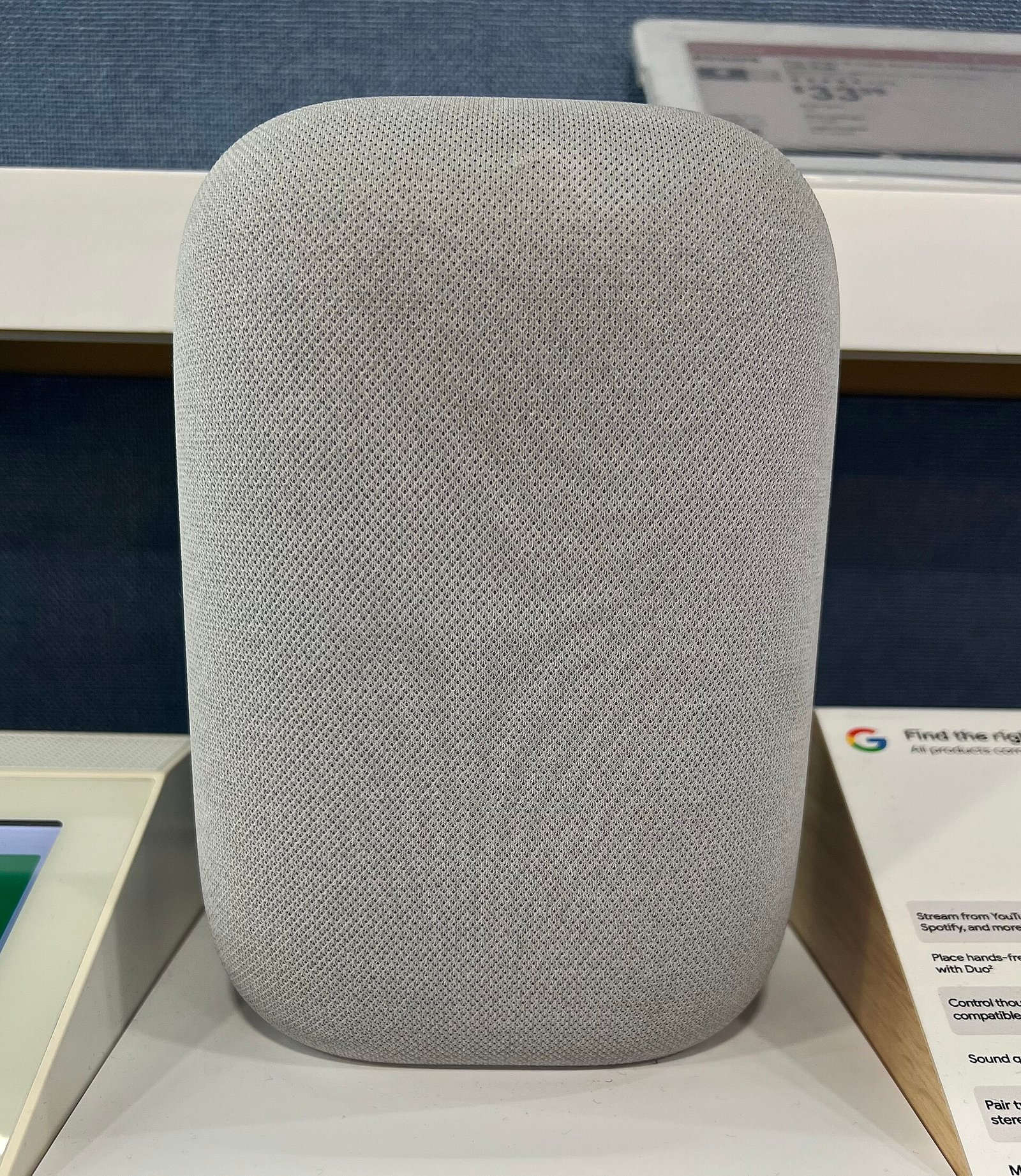
The hardware itself isn’t the problem — most reviewers agree it’s genuinely good. At 3.44 inches tall and under a pound, the speaker is small enough to disappear on a shelf, wrapped in a yarn-like fabric available in four colors: Porcelain, Hazel, Berry, and Jade. Engadget and HotHardware both singled out the 360-degree audio as punchier than anything Google has shipped before, and the base houses a light ring that shifts as Gemini listens, thinks, and responds — a small touch that makes the assistant feel less like a black box.
Under the hood is Google’s first dedicated NPU built into a home speaker, there specifically to run parts of Gemini locally instead of round-tripping every request to a data center. That’s a real engineering upgrade over the old Assistant-powered Nest lineup, which had a well-earned reputation for mishearing basic commands.
The subscription catch nobody saw coming
Google always said that anything the old Google Assistant could do for free would keep working for free on the new speaker — timers, weather, basic smart home commands. That part is true. What Google didn’t advertise as clearly is how much of the speaker’s actual selling point sits behind Google Home Premium. Reviewing 30 to 60 days of Nest camera history through natural conversation, the “Help Me Create” automation builder, and fluid Gemini Live conversations are all locked to the Standard ($10/month) or Advanced ($20/month) tiers.
PCWorld reported that some early testers hit a “paywall scare” where Gemini incorrectly told them a subscription was required for basic translation and definition queries that should have been free — a bug, but one that made the confusion worse right at launch. XDA Developers went further, writing that the experience pushed them back toward Home Assistant, the open-source alternative that doesn’t ask for a recurring fee to use hardware you already own.
Here’s the tangent worth knowing: smart speakers were never really free
It’s tempting to read this as Google suddenly turning greedy, but the subscription model didn’t appear out of nowhere. Every smart speaker on the market has always been subsidized by something — Amazon sells Echo devices near cost because they drive Amazon.com purchases; Google’s own older speakers existed to keep you inside Google Search and Assistant, feeding ad targeting. The Home Speaker is the first time a major player has just… said the quiet part out loud and charged directly for the AI layer instead of hiding the cost in ads or retail margins. Whether that’s more honest or just more expensive depends on how much you were already paying in attention.
Is it actually worth buying at $99?
If you never touch the subscription, you’re getting a genuinely improved smart speaker with better sound and a snappier (if occasionally confused about its own paywall) assistant than the Nest Mini it replaces — a fair deal for $99. Reviewers split from there: Digital Trends called it “smarter and punchier, with a subscription pinch” while still recommending it, and RTINGS ranked it among the two best Google speakers of the year. TechRadar’s take was blunter — the good stuff is worth waiting for, but you’ll be waiting on your wallet, not the shelf.
If a Google speaker is on your list because your existing setup skews Google Home and Nest, our breakdown of the best smart speakers in 2026 lines this one up directly against Amazon and Sonos options across every price tier, including a few that don’t ask for a subscription at all.
The comparison that makes Google look worse
Here’s the detail that turned a lot of the criticism from “annoying” to “tone-deaf”: Amazon shipped its own AI upgrade, Alexa+, back in February — and made it free for anyone with a Prime membership. Only non-Prime households pay $19.99 a month, and Amazon clearly expects almost nobody to actually do that, since Prime itself runs $14.99 a month and includes shipping, video, and everything else. Amazon effectively folded its AI assistant into a subscription tens of millions of households already had.
Google had no equivalent bundle to fold Gemini into, so it built a new one from scratch and attached it directly to a piece of hardware you already paid $99 for. That’s the contrast reviewers keep landing on: Amazon made its AI assistant feel like a bonus you already own; Google made its AI assistant feel like a second purchase. Same underlying pattern — subsidize the AI somehow — but very different optics when one company’s version is “free” and the other’s shows up as a new line on your credit card statement.
What this means for the next speaker you buy
The bigger reveal here isn’t really about one $99 speaker — it’s about how the whole category prices AI from here on out. If Google’s speaker sells well despite the backlash, “pay for the hardware, then keep paying for the brain” becomes a viable playbook other manufacturers copy. If it flops, expect Google — and everyone watching this launch closely — to quietly follow Amazon’s bundling approach instead. Either way, the speaker you buy next year is more likely to be a monthly line item than a one-time purchase, which is worth factoring in before you compare sticker prices at the shelf.
Since the speaker leans hard on connected cameras and always-listening AI, it’s also a good moment to double-check what you’re exposing — our guide to locking down your smart home devices covers the settings worth reviewing before you add one more always-on microphone to the house.
Six years is a long time to wait for a speaker. Whether it was worth the wait now depends less on what’s in the box and more on what you’re willing to keep paying after you open it.
Leave a Reply