You bought a phone with plenty of storage, barely downloaded anything, and yet there it is again: “Storage almost full.” It always seems to hit at the worst moment — mid-photo, mid-update, mid-anything. The good news is that a full phone is almost never about the files you consciously saved. It is about the ones you never see. Here is where your space actually goes, and how to get it back fast.
The real space hogs (they are not your apps)
People assume apps are the problem, but a fresh app is usually small. The space vanishes into four quieter places:
- Photos and videos. This is almost always the number-one culprit. A single minute of 4K video can eat over 300 MB, and modern phones shoot huge, detailed images by default. A few years of casual photography quietly becomes tens of gigabytes.
- App caches. Apps download temporary data to load faster — thumbnails, previews, streamed audio and video. Social media, music, and streaming apps are the worst offenders, and their caches can balloon to several gigabytes each without you ever noticing.
- Downloads and attachments. Every photo auto-saved from a chat, every PDF you opened once, every file you forgot — they pile up in the background.
- “System” and “Other.” Software updates, logs, and offline data get bucketed into a vague category that looks alarming but is mostly normal.
Why it fills up faster than it used to
It is not your imagination — phones genuinely gobble storage faster each year. Cameras capture higher-resolution photos and video, apps ship larger and update constantly, and games can each occupy several gigabytes. Meanwhile, the base storage on cheaper phones has not kept pace. Buy the smallest-storage model and you are essentially signing up for this problem, which is one of the things worth thinking about when you choose your next phone.
How to free space in five minutes
You do not need to delete precious memories. Work through these in order — the first two usually solve it:
- Clear app caches. Head to your storage settings and look at the biggest apps. Clearing the cache on your browser, social, and streaming apps can instantly reclaim gigabytes and deletes nothing you actually care about — the app just re-downloads temporary data as needed.
- Offload photos and videos to the cloud. Back them up to a cloud service, then remove the local copies. Your whole library stays accessible; it just is not physically stored on the phone. This is the single biggest win for most people.
- Use the built-in cleanup tool. Both iPhone and Android have a storage screen that recommends what to remove — large attachments, duplicate photos, unused apps — in a couple of taps.
- “Offload” unused apps. This removes the app itself but keeps your data and settings, so reinstalling later picks up where you left off. Great for that game you play twice a year.
- Empty the “Recently Deleted” folder. Deleted photos often sit in a trash folder for 30 days, still taking up space. Clear it to finish the job.
Stop it from happening again
A few habits keep the warning from coming back:
- Turn on automatic cloud photo backup with device optimization, so your phone keeps smaller versions locally and full-resolution copies in the cloud.
- Review your camera settings. If you rarely need 4K, shooting in a slightly lower resolution dramatically slows how fast video fills your phone.
- Do a two-minute cleanup monthly instead of a panicked purge when you are already out of space.
- Consider your next device carefully. If you constantly battle storage, jumping to a larger-capacity model — or a tablet for media — is cheaper than the daily frustration.
iPhone vs Android: small differences
The causes are the same on both platforms — photos, video, and caches — but the tools differ slightly, and knowing yours helps you move faster.
On iPhone, open the iPhone Storage screen in Settings. It gives you a color-coded bar and a list of recommendations: offload unused apps, review large attachments in Messages, and auto-delete old conversations. Turning on iCloud Photos with “Optimize iPhone Storage” is the biggest single fix — it keeps lightweight versions on the phone and full-resolution originals in the cloud. Just remember that iCloud’s free tier is small, so heavy photographers usually need a paid plan.
On Android, the Files app and your phone’s storage settings include a cleanup tool that flags junk files, large media, and duplicates. Google Photos offers the same “back up and free up space” trick. The bonus on many Android phones is a microSD card slot — if yours has one, a card is a cheap way to add tens of gigabytes for photos and media without touching the cloud at all.
One shared warning: be skeptical of third-party “cleaner” or “booster” apps on either platform. The built-in tools already do the important work safely, while many of those downloads make money by showing ads and can actually take up more room than they free.
One sneaky source worth checking: offline downloads. Streaming apps let you save shows, music, and podcasts for travel, and it is easy to forget they are there long after the trip. A single downloaded season can be several gigabytes. Dip into each app’s downloads section now and then and clear what you have already watched — it is often the fastest few gigabytes you will ever recover.
Mobile games are the other quiet offender. Big-name titles now pull down gigabytes of extra data after you install them, and a handful can dominate your storage. If you have games you have not opened in months, deleting them frees space instantly — your progress is usually saved to your account, so you can reinstall later without losing anything.
One thing not to worry about
Do not obsess over the “System” or “Other” category. It looks mysterious and large, but it is mostly essential operating-system files and caches your phone manages on its own. Chasing it with sketchy “cleaner” apps does more harm than good — those apps often just add bloat and ads. And a quick myth-buster: freeing storage will not fix a slow battery. That is a separate issue we cover in why your phone battery gets worse over time.
The bottom line
Your storage fills up because of photos, video, and invisible app caches — not the files you deliberately saved. Clear a couple of caches, move your photos to the cloud, and the warning disappears in minutes. Build in a tiny monthly habit and you may never see it again.
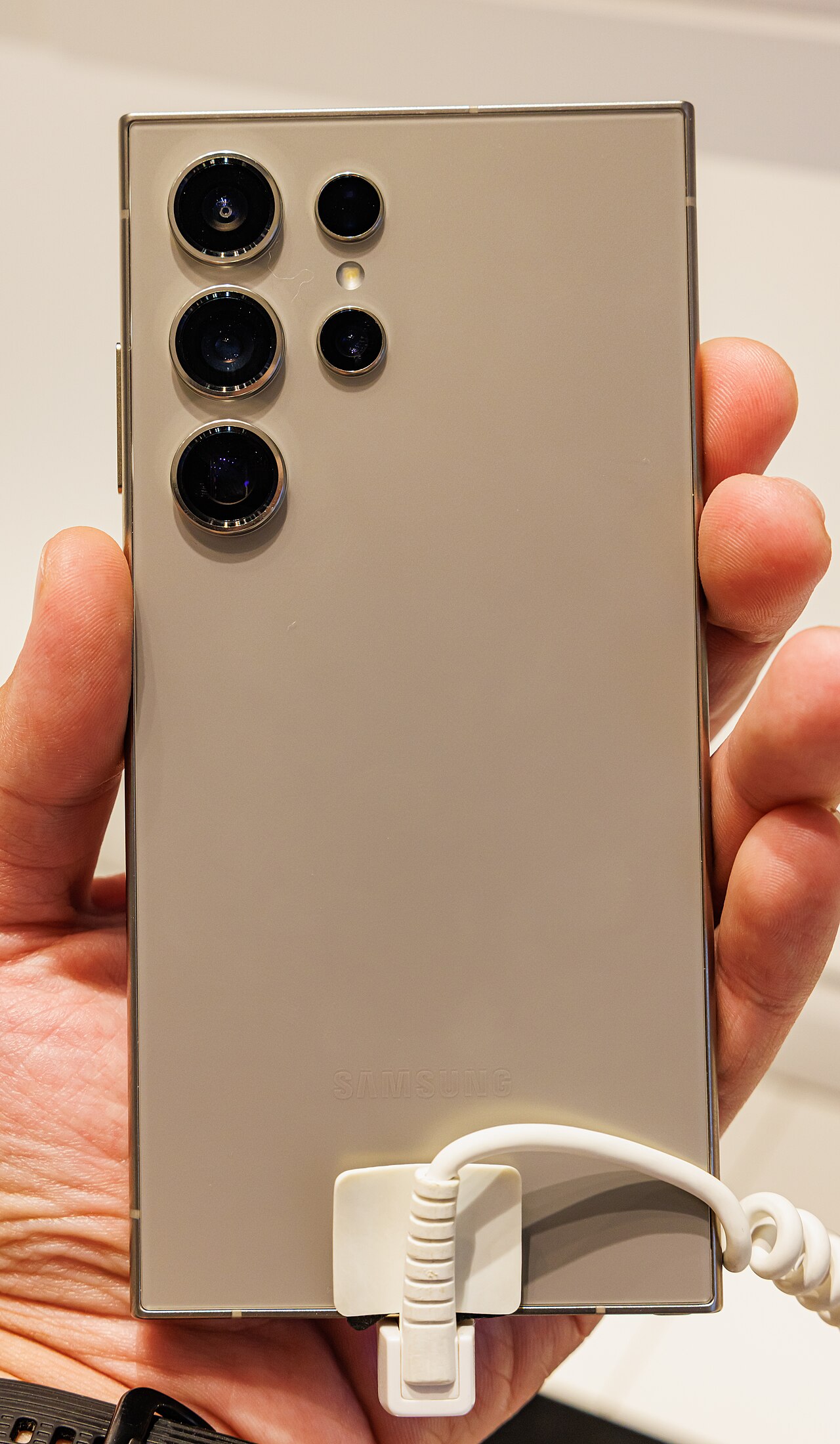
Featured image: Samsung Galaxy S24 Ultra by Dinkun Chen, Wikimedia Commons (CC BY-SA 4.0)
Deixe um comentário