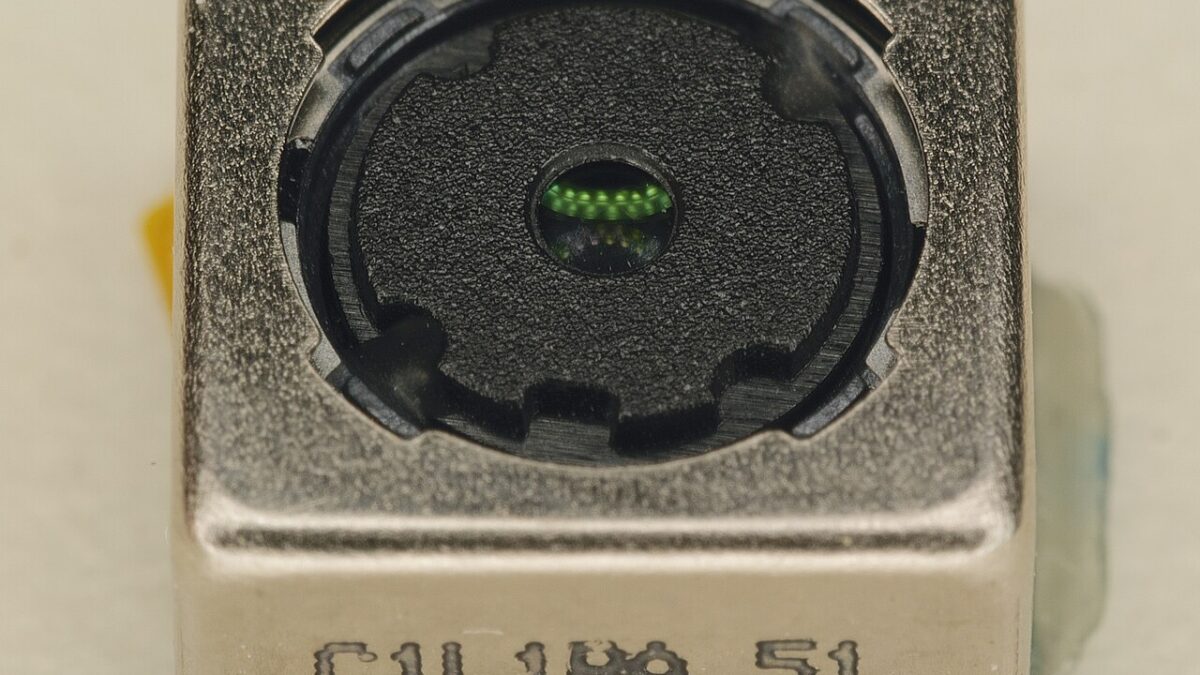
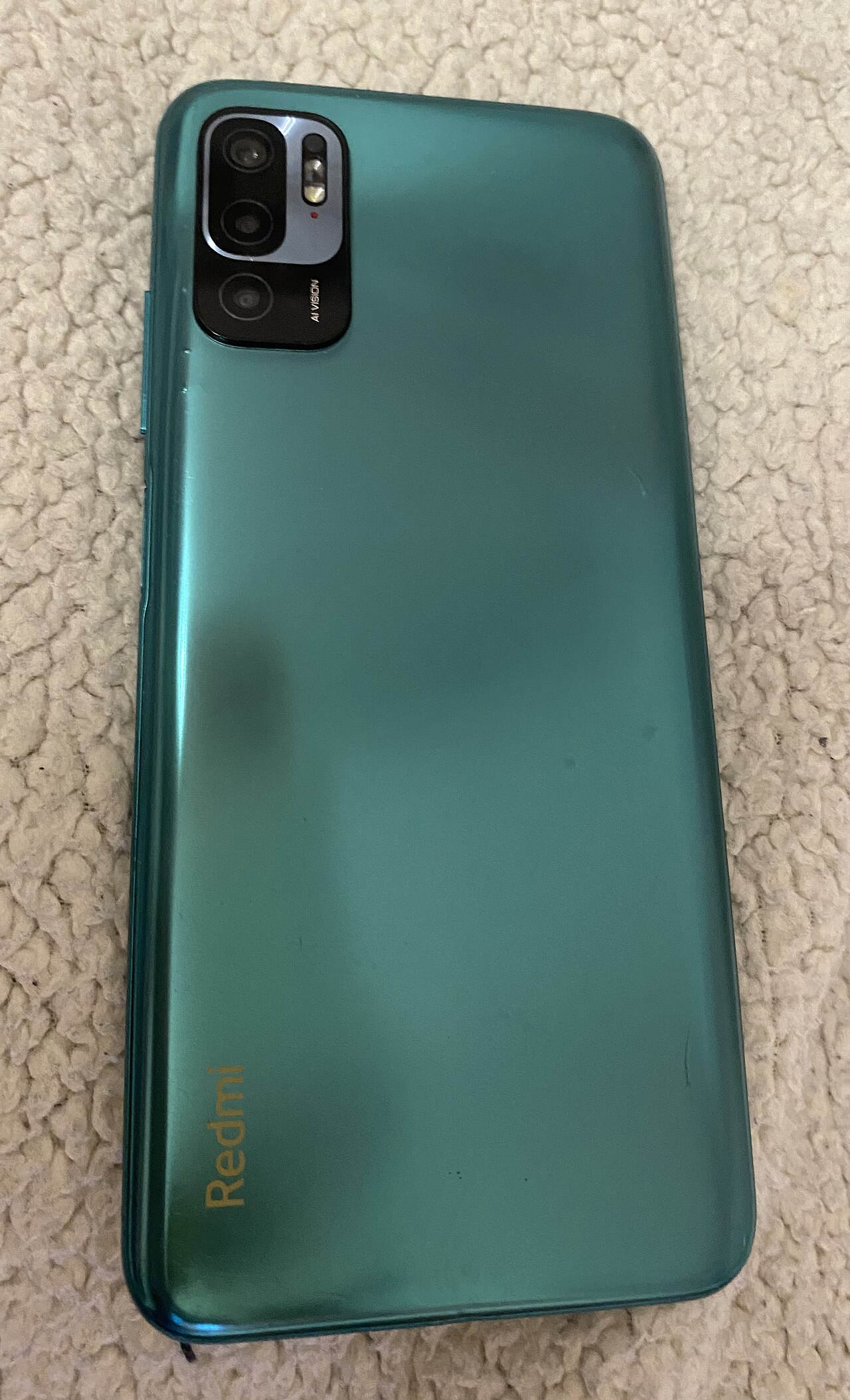
Two phones sit side by side. One boasts a 108-megapixel camera, the other “only” 50. Obviously the 108MP takes better photos, right? Wrong — and that misunderstanding is exactly what phone marketing is counting on. Megapixels are one of the least important things about a camera. Here is what actually decides whether your phone takes great photos.
What a megapixel really is
A megapixel is one million pixels — the tiny dots that make up a digital photo. A 50MP camera captures images made of 50 million pixels; a 108MP camera, 108 million. More megapixels mean a higher-resolution image, which sounds better and, on a spec sheet, looks better.
But here is the catch: resolution only determines how large you can print or how far you can crop. For a photo viewed on a phone screen, posted online, or printed at normal sizes, anything above about 12 megapixels is already more than enough. You are almost never limited by resolution. You are limited by light — and that is where the real story begins.
The thing that actually matters: sensor size
If you remember one term, make it this: sensor size. The sensor is the chip that captures light, and a bigger sensor gathers more of it. More light means better detail, more accurate color, less grain in the dark, and that pleasant natural background blur on close-up shots.
This is why a professional camera with a big sensor and “only” 24 megapixels obliterates a phone with 108. The phone is cramming more pixels onto a chip smaller than your fingernail, while the camera spreads fewer pixels across a much larger surface that drinks in light. Size beats count almost every time.
Why cramming in pixels can backfire
Here is the counterintuitive part. On a sensor of a fixed size, adding more megapixels means each individual pixel has to be smaller — and smaller pixels catch less light. That can actually make photos worse in dim conditions, adding noise and grain.
Phone makers know this, which is why those giant-megapixel cameras use a trick called pixel binning. The camera combines groups of tiny pixels — often four or even sixteen — into one larger “super-pixel” that gathers more light. So a 108MP sensor usually produces a 12MP or 27MP photo in everyday shooting. The huge number on the box is mostly a headline; the phone quietly bins it down to take a better picture. That alone tells you the megapixel count is not the real measure of quality.
The unsung hero: software and processing
Modern phone photography is as much software as hardware. “Computational photography” is the processing that happens the instant you tap the shutter — the phone captures several frames, merges them, balances the light and shadow, reduces noise, and sharpens the result, all in a fraction of a second.
This is why two phones with nearly identical camera hardware can produce noticeably different photos: one company’s processing is simply better tuned. It is also how phones pull off night mode, crisp portrait blur, and balanced shots of a bright sky above a dark street. When people say a phone “has a great camera,” they are often really praising its software. Comparisons like our Pixel vs Galaxy breakdown come down to processing as much as sensors.
What else beats megapixels
- Aperture (the f-number) controls how much light the lens lets in. A lower number — f/1.8 versus f/2.4 — means a brighter lens and better low-light shots.
- Optical image stabilization physically steadies the lens, reducing blur from shaky hands and enabling sharper night shots.
- Extra lenses — a true ultra-wide or a proper optical telephoto — add real creative range that no amount of megapixels on a single lens can replace.
- Pixel size, often listed in micrometers, tells you how big each pixel is. Bigger is better for light.
The zoom trap, and a word on video
One more place megapixels mislead people is zoom. Phones love to advertise huge numbers like “100x zoom,” but almost all of that is digital zoom — the phone simply crops into the image and enlarges the pixels, throwing away detail and leaving you with a soft, mushy result. It is the photographic equivalent of walking closer to a blurry poster to see it “bigger.”
What actually matters is optical zoom, which uses a dedicated telephoto lens to magnify the scene with real glass before the sensor captures it, preserving detail the way a proper camera lens does. A phone with 3x or 5x optical zoom will beat one boasting “100x” digital zoom every time you actually reach for it. When comparing phones, look for the optical zoom figure and treat the giant “hybrid” or “digital” numbers as marketing.
Video deserves a mention too, because more and more people shoot it. Here, stabilization and consistent processing matter enormously — a phone that captures smooth, well-exposed 4K footage is far more useful than one with a bigger photo sensor but jittery, wildly shifting video. If you record a lot of clips, check how a phone handles video specifically; strong stills do not automatically mean strong video, and the two can rank quite differently between models.
How to judge a phone camera
Ignore the headline megapixel number almost entirely. Instead, look at sensor size and pixel size, a wide aperture, whether it has optical stabilization and genuinely useful extra lenses, and — most of all — real-world photo samples and reviews. The proof is in the pictures, not the spec sheet. Our no-nonsense guide to choosing a smartphone puts the camera in context with everything else that matters.
One last tip: the best camera is also the one whose app you enjoy using. Fast shutter response, an interface that stays out of your way, and reliable autofocus all shape how many good shots you actually walk away with — a technically superior camera you find frustrating will lose to a friendlier one you reach for every day.
The bottom line
Megapixels sell phones, but they do not make great photos. Light does — captured by a big sensor, a bright lens, and steadied optics, then finished by smart software. Next time a phone brags about a triple-digit megapixel count, treat it as marketing noise and look at the things that actually shape the image. A “lower” number very often takes the better picture.
Deixe um comentário