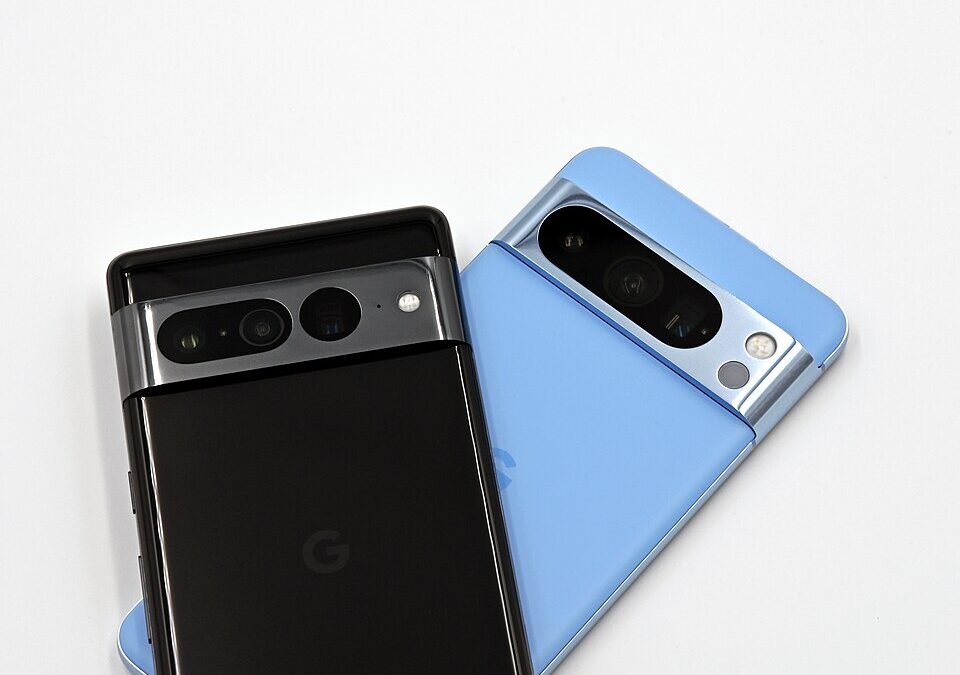
Google Pixel 11: Everything the Leaks Reveal Before the August 2026 Reveal
Google has confirmed a “next generation of Pixel” event running August 17–25, 2026, with devices going on sale in mid-September. The announcement barely surprised anyone — Google has now launched its flagship Pixel line in August two years running: the Pixel 9 on August 13, 2024, and the Pixel 10 on August 28, 2025. What has surprised people is what the leaks are saying about what comes inside the box.
From a brand-new chip built on a 2nm process to a programmable RGB LED bar embedded in the camera housing, the Pixel 11 shapes up to be one of Google’s most ambitious redesigns in years — and also one of its most controversial, thanks to a rumored RAM cut that has early adopters raising eyebrows.
Launch Timeline: August Event, September Sale
Google’s own teaser language — “next generation of Pixel” — all but confirms the Pixel 11 series is the centerpiece of the August event. If the two-year pattern holds, expect a formal unveil around August 17 with pre-orders opening immediately and retail availability kicking off in mid-September.
Four models are expected: a standard Pixel 11, Pixel 11 Pro, Pixel 11 Pro XL, and what is widely believed to be a foldable variant. Pricing has not been confirmed, but the Pixel 10 started at $799 — and given the broader industry trend of flagship prices creeping upward year over year, it would be optimistic to expect a drop. (For more on why smartphones keep getting pricier, see our breakdown of what’s driving flagship prices in 2026.)
Tensor G6: Google’s First 2nm Chip
The headline hardware story is the Tensor G6. Built on a 2nm fabrication process, it represents the most significant generational leap in the Tensor line since Google brought chip development in-house. The move to 2nm — the same process node Samsung and TSMC are ramping for next-generation silicon — promises meaningful gains in both raw performance and power efficiency.
What that means in practice: faster on-device AI inference, which feeds directly into Google’s expanding suite of Gemini-powered camera and assistant features. Google has consistently used Tensor’s neural processing muscle as its main differentiator against Qualcomm-based rivals, and the G6 is positioned to widen that gap.
Pixel Glow: The RGB Camera Bar That Replaces a Sensor
The most eye-catching leak — literally — is Pixel Glow. Embedded inside the horizontal camera bar on the back of the device, Pixel Glow is a programmable RGB LED array that can display colors, patterns, and notifications. Think of it as Google’s answer to the Nothing Phone’s Glyph Interface, but rendered in full color rather than monochrome strips.
The feature reportedly fills the physical gap left by the removal of the temperature sensor that debuted on the Pixel 8 and carried through the Pixel 10 lineup. Whether that trade-off is worth it will depend on how deeply Google integrates Pixel Glow into Android 17 — if it’s just a notification light with extra steps, enthusiasts will be skeptical; if it ties into Live Activities, fitness tracking, or gaming alerts, it could become a genuine selling point.
Early renders suggest the effect is subtle in daylight and much more visible in low light, which is exactly the use case where glanceable notifications matter most.
Specs and Concerns: RAM Cut, Smaller Batteries
Here is where the leaks get uncomfortable. Two data points have the Pixel community on edge:
RAM: The standard Pixel 11 is rumored to ship with 8GB of RAM — down from 12GB on every Pixel 10 model. Google would argue that Tensor G6’s improved memory efficiency and on-device AI compression make raw RAM figures less meaningful than they used to be. Critics would counter that 8GB is a ceiling that starts to show cracks during heavy multitasking, and that cutting RAM while raising the price is a hard sell.
Batteries: Leaked capacity figures show the base Pixel 11 at 4,840 mAh, the Pro at 4,707 mAh, and the Pro XL at 5,000 mAh. Every one of those numbers is smaller than its Pixel 10 counterpart. The counterargument — and it is a legitimate one — is that 2nm efficiency improvements can deliver better real-world endurance from a smaller cell. We’ve seen that story play out with Apple’s A-series chips. Whether Tensor G6 executes the same way remains to be seen.
Display: Screen sizes and resolutions are expected to carry over from the Pixel 10, but peak brightness climbs to approximately 3,100 nits — a meaningful bump for HDR content and outdoor visibility.
Competition for Google’s August slot is fierce. Samsung is pushing hard on the foldable side with the Galaxy Z Fold 8 Ultra, and the premium Android market is more crowded than it was when the Pixel 9 launched. Google needs Pixel 11 to land cleanly on every front.
What to Expect When August Arrives
Assuming the leaks hold, Pixel 11 will be a device built around two bets: that Tensor G6’s 2nm efficiency makes the RAM and battery reductions invisible in daily use, and that Pixel Glow becomes a signature visual identity feature the way the camera bar itself once was.
If both bets pay off, the Pixel 11 could be Google’s strongest hardware year yet. If either one falls short — if real-world battery life disappoints or Pixel Glow lands as a gimmick — the spec-sheet concerns will dominate the conversation.
Google’s August event will answer those questions. Until then, the leaks paint a picture of a company willing to take genuine risks with its most important product line. We’ll be covering every detail as it breaks.
Deixe um comentário