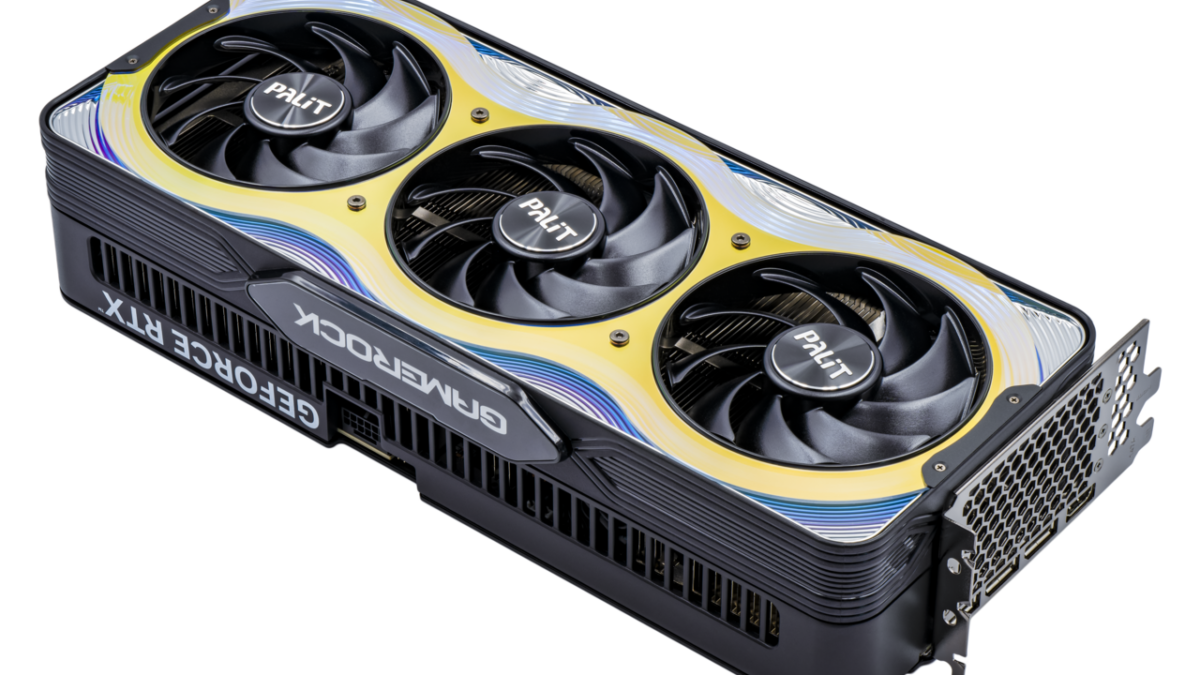
Should You Wait for RTX 50 Super? What the Latest Leaks Mean for Your Next GPU Upgrade
You’ve got the budget set aside, the tab open on your GPU of choice, and one nagging thought: is Nvidia about to make this card obsolete? That hesitation has a name in enthusiast circles right now — the RTX 50 Super leak — and it’s the reason preorder buttons across the RTX 5070 and RTX 5080 lineup have gone quiet this month. The short version: yes, a VRAM-boosted refresh is coming, but the launch date is further out than most buyers assume, and for a lot of people, waiting is the wrong call.
Disclosure: This post contains affiliate links. If you buy through our links, we may earn a commission at no extra cost to you.
Here’s what you’ll get from this guide: a plain-English breakdown of what’s actually confirmed in the leaks, a framework for deciding whether your use case can wait, and the pricing precedent that tells you what happens to today’s cards once the Super models ship.
What’s Actually Leaked: VRAM Bump and a CES 2027 Launch Window
Multiple outlets — Tom’s Hardware, NoobFeed, OC3D, and Technetbook among them — are now aligned on the core change: Nvidia is swapping the current 2GB GDDR7 memory modules for 3GB modules across the RTX 50 Super stack. That’s roughly a 50% VRAM increase without touching the memory bus width. In practice, that means the RTX 5070 Super jumps from 12GB to 18GB, the RTX 5080 Super goes from 16GB to 24GB, and the RTX 5060 Super climbs as high as 12GB depending on the SKU.
The launch date is where the story gets murkier. Earlier reporting pointed to a late-2026 reveal, but the most recent leaks — including reporting from Igor’s Lab — have pushed the window to CES 2027. Treat that as a leak-based estimate, not a confirmed date; Nvidia hasn’t put anything on the record. If you’re the type who buys the day a card ships, that six-month-plus gap matters a lot more than the VRAM spec sheet does.
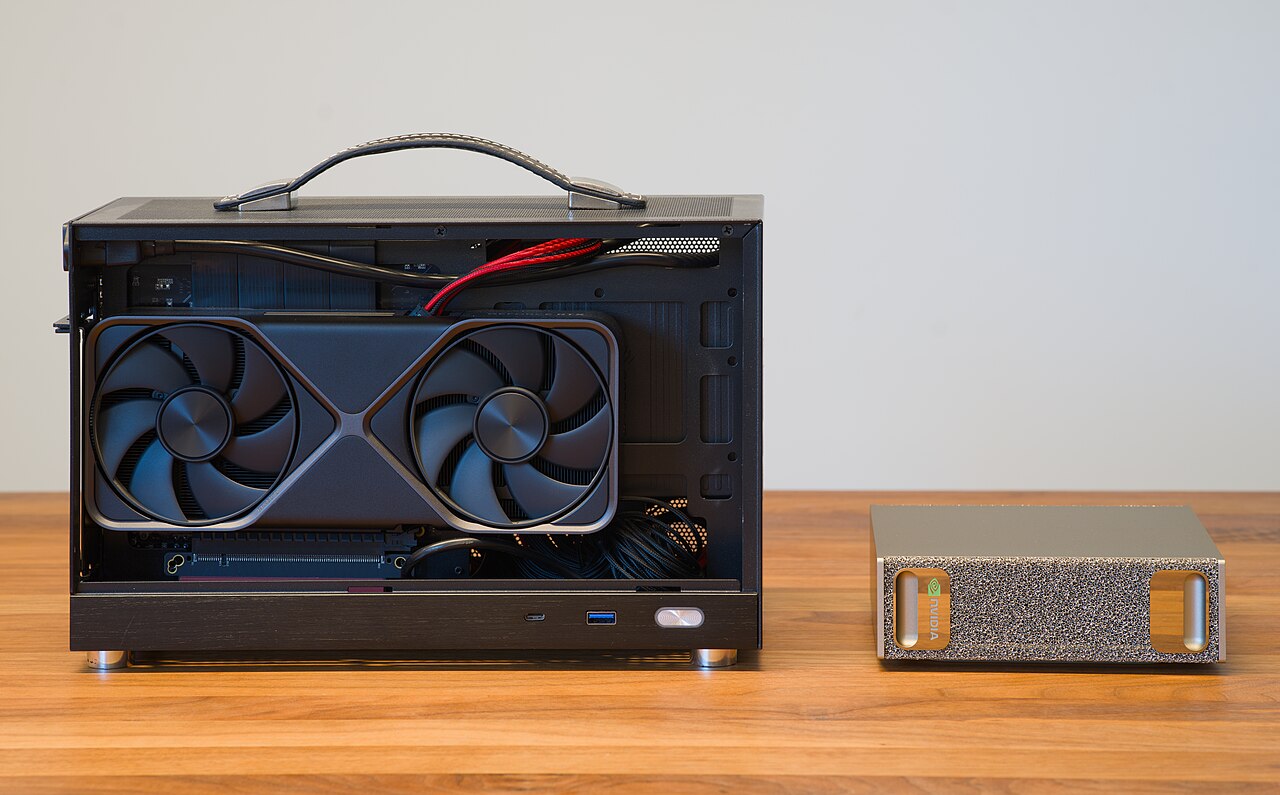
Who Should Buy an RTX 50 Card Now
If your workload doesn’t push past 16GB of VRAM, waiting for the Super refresh buys you very little. Forum consensus on Tom’s Hardware — echoed by testers running current titles at 1440p — is that 16GB comfortably covers the resolution most gamers actually play at, for the foreseeable future. The RTX 5080’s headline weakness (16GB, soon to look thin next to the 24GB Super variant) isn’t a bottleneck for the vast majority of games shipping today.
There’s also a performance argument for buying now. The gap between the current RTX 5070 Ti and the non-Super RTX 5080 is reportedly only around 10% — which makes paying the 5080’s premium for that last decile of performance a harder sell than buying a 5070 Ti today and banking the difference. As one recurring take on the Tom’s Hardware forums put it: you can wait if you want, but you’ll likely be quite happy buying the 5070 Ti right now. If you need a GPU for a build this month — not in six-plus months — that’s the practical answer.
🛒 Check RTX 5070 Ti Prices on Amazon
Who Should Wait for RTX 50 Super
The calculus flips for two groups. First, anyone running VRAM-hungry workloads — local AI model inference, large-texture modding, high-resolution video work alongside gaming — where 12GB or 16GB genuinely becomes a ceiling rather than a comfort margin. For that user, an 18GB RTX 5070 Super or 24GB RTX 5080 Super isn’t a nice-to-have, it’s the difference between a workload fitting in memory or spilling to system RAM and tanking performance.
Second, and more broadly: anyone currently priced out. The RTX 5070 is selling for around $599 on Amazon against a $549 MSRP — a roughly 9% premium driven by the ongoing GDDR7 supply shortage. The RTX 5080 is worse: $999 MSRP on paper, but street prices near $1,249 during recent promotional windows, a markup of about 25%. If you’re staring at those numbers and wincing, patience isn’t just about getting more VRAM — it’s about waiting for the price correction that tends to follow a Super launch.
Pro Tip: How to Spot a GPU Price Drop (Using the RTX 40 Super Precedent)
This isn’t Nvidia’s first VRAM-refresh rodeo, and the last one is the clearest signal for what to expect. When the RTX 40 Super series launched in January 2024, the RTX 4080 Super didn’t just add specs — it landed with a genuine $200 price cut, dropping the effective MSRP from $1,199 to $999. The ripple effect hit the rest of the lineup fast: the RTX 4070 dropped to $535, and the RTX 4070 Ti fell below $750, both within a week of the Super announcement.
That’s the pattern worth watching for in 2027. A Super launch doesn’t just add a new SKU at the top — it resets pricing expectations down the stack, and retailers move quickly to stay competitive. Set a price alert on the RTX 5070 and RTX 5080 now, watch for movement in the weeks immediately after CES, and don’t assume the non-Super cards will hold their current (inflated) street prices once the Super models are official. Historically, they don’t.
🛒 Check RTX 5080 Prices on Amazon
VRAM headroom is only half of what determines how a new GPU actually feels in daily use — system memory plays a bigger role than most buyers expect, and it’s worth understanding why memory matters for gaming performance before you finalize a build around either an RTX 5070 or a Super refresh. And if a new GPU is the anchor of a broader upgrade, it’s worth thinking about the rest of the setup at the same time — we’ve got recommendations for pairing your upgrade with the right gaming gear, plus our picks if you’re also upgrading your display to actually take advantage of the extra headroom.
FAQ: RTX 50 Super Launch and Buying Decisions
When is the RTX 50 Super release date?
No official date exists yet. Recent leaks, including reporting from Igor’s Lab, point to a CES 2027 window, a shift from earlier late-2026 estimates. Treat this as leak-based until Nvidia confirms it.
How much VRAM will the RTX 5070 Super and RTX 5080 Super have?
Leaks point to an RTX 5070 Super at 18GB (up from 12GB) and an RTX 5080 Super at 24GB (up from 16GB), driven by a switch from 2GB to 3GB GDDR7 memory modules. The RTX 5060 Super is expected to reach up to 12GB.
Should I wait for the RTX 50 Super or buy an RTX 50 card now?
If your VRAM needs top out around 16GB — true for most current games at 1440p — buying now is the more practical choice, especially since the RTX 5070 Ti reportedly performs within about 10% of the non-Super RTX 5080. Wait only if your workloads are VRAM-constrained (AI, large-texture modding, heavy multitasking) or if current prices are simply out of budget.
Will RTX 50 Super launch prices affect current RTX 50 cards?
Based on the RTX 40 Super precedent — where the 4080 Super’s launch triggered a $200 MSRP cut and pushed 4070/4070 Ti street prices down within a week — a similar correction is a reasonable expectation once RTX 50 Super pricing goes live.
The Bottom Line
Nvidia’s GDDR7 VRAM bump is real and well-sourced, but the launch date isn’t locked down, and CES 2027 is a long wait for anyone who needs a GPU today. The RTX 5070 and RTX 5080 aren’t going to age badly for mainstream 1440p gaming just because a Super variant is coming — they’re going to age exactly as well as they perform right now. Buy for the workload you actually have, keep an eye on pricing once CES season arrives, and let the RTX 40 Super pattern be your guide for when the real deals show up.
Deixe um comentário