
Apple and Meta Are Fighting Over AirPods-Style Pairing for Ray-Ban Glasses
Apple and Meta agree on almost nothing. They’re building rival AI assistants, rival smart glasses, and rival visions of what your face is supposed to look like in five years. So it’s a genuinely strange moment when the two companies find themselves forced to cooperate — not by choice, but by European law — on something as mundane as how a pair of Ray-Ban Meta glasses connects to an iPhone.
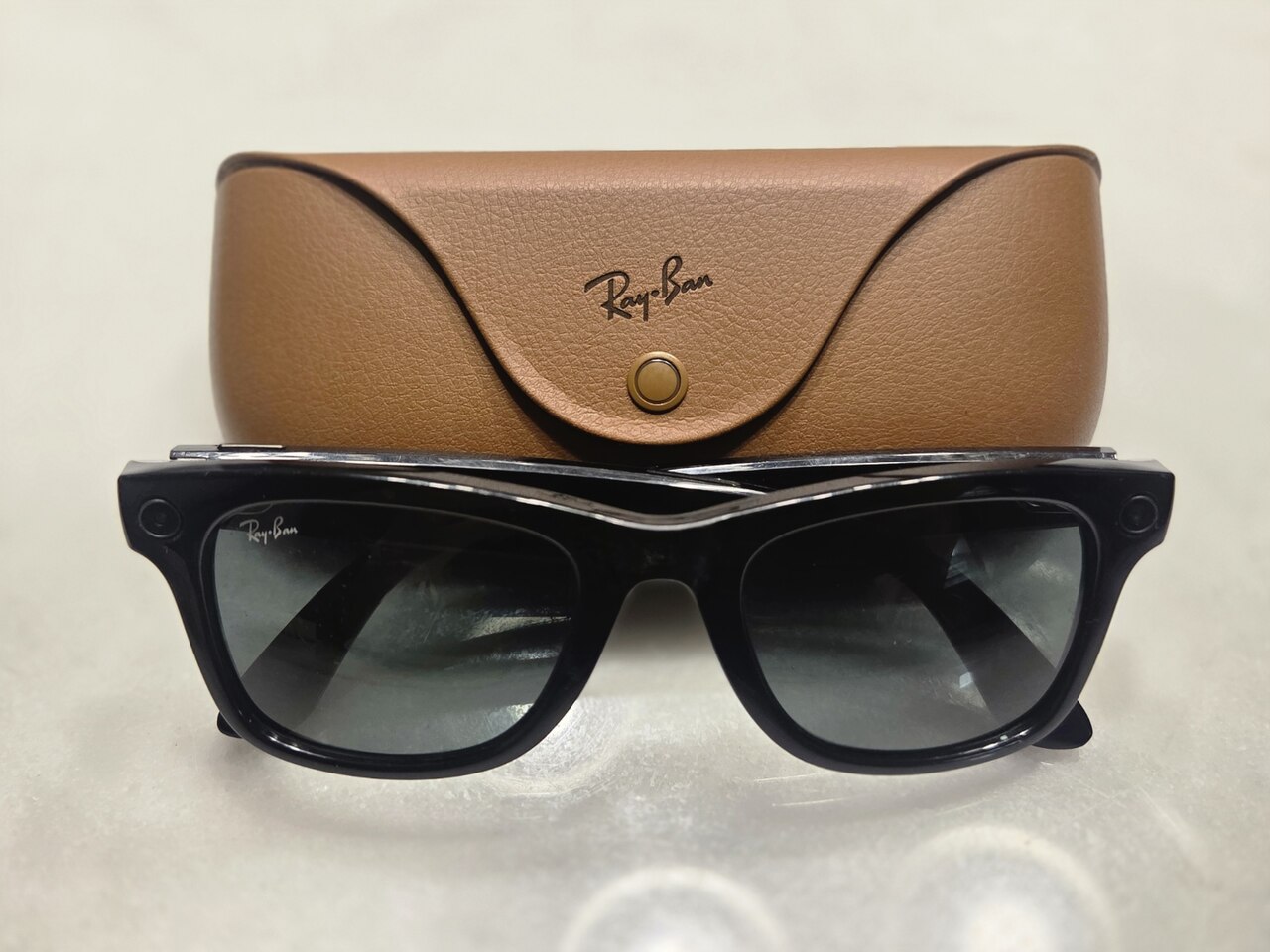
The fight is over Apple Meta AirPods pairing Ray-Ban glasses: specifically, whether Meta’s smart glasses get the same one-tap, no-fumbling Bluetooth handshake that AirPods have enjoyed on iPhone for years. Apple says yes, technically. Meta says the “yes” comes with strings attached that make the whole thing pointless. Both are right, which is what makes this dispute worth unpacking.
What Apple and Meta Are Actually Fighting Over
Start with what AirPods actually do. Open the case near an iPhone and a slick animation pops up, the earbuds pair instantly, and they stay synced across every device signed into your Apple ID. That convenience has never been available to outsiders — not to Sony, not to Bose, and certainly not to Meta’s Ray-Ban glasses, which still require the more manual Bluetooth pairing flow every other accessory maker has lived with.
Multiple outlets, including MacRumors, 9to5Mac, and AppleInsider, report that Apple isn’t flatly refusing to change that. It’s building a real developer tool called AccessorySetupKit (ASK), an API that would let third-party hardware — Meta’s glasses, Quest headsets, and presumably anyone else’s wearables — trigger that same kind of streamlined, animated pairing sheet on iPhone. That’s a meaningful concession from a company that has spent a decade treating the AirPods pairing experience as a walled-garden perk.
Meta’s objection isn’t that Apple said no. It’s that ASK isn’t the same plumbing Meta’s glasses use everywhere else. Ray-Ban Meta and Quest rely on Core Bluetooth, the standard framework every accessory maker builds against globally. Forcing Meta onto a separate, Apple-specific API just for European users, the company argues, would “significantly undermine global pairing logic” — meaning engineers would have to maintain two different connection systems for the same product, one for EU customers and one for everyone else. Meta’s read is that this creates a fragmented, second-class experience exactly where regulation was supposed to guarantee equal treatment.
The EU DMA Angle Behind the Apple-Meta Pairing Fight
None of this is happening spontaneously. Meta formally filed an interoperability request under the EU’s Digital Markets Act back in October 2025, asking regulators to force Apple to open up the kind of low-level device integration that iPhone’s own accessories get by default. The DMA exists precisely to stop “gatekeeper” platforms like iOS from favoring their own hardware over rivals’, and pairing convenience is a textbook example of the kind of soft advantage that’s nearly impossible to compete against through better engineering alone — no amount of Meta software polish fixes a clunkier Bluetooth handshake. The European Commission’s own DMA overview lays out exactly why interoperability requests like Meta’s exist in the first place.
Here’s where the coverage gets genuinely split. Several headlines frame this as “Meta accuses Apple of blocking smart glasses,” which makes it sound like Apple is stonewalling. AppleInsider and 9to5Mac tell a more precise version: Apple already agreed to build the interoperability Meta asked for. The argument isn’t about whether Meta glasses get AirPods-style pairing — it’s about which technical implementation delivers it. That’s a meaningfully different story, and it matters because the DMA’s actual enforcement mechanism hasn’t even been triggered yet. Meta hasn’t filed a formal dispute over ASK versus Core Bluetooth; if it does, the case goes to Apple’s Interoperability Request Review Board for a 30-day review before anything gets decided. Right now, both companies are still arguing in public, not in front of a regulator.
Why the Ray-Ban Glasses Pairing Fight Matters Beyond Apple and Meta
The detail that will actually sting for a lot of readers: Apple’s own timeline puts the new pairing experience at spring 2027, and it’s EU-only. If you bought Ray-Ban Meta glasses in the US, Canada, or basically anywhere outside the European Union, this fix isn’t coming to you — not this year, not next year, possibly not ever unless Apple decides to roll it out globally on its own initiative, which nothing currently suggests. It’s a rare case where EU regulation actively creates a better product experience that American consumers are simply locked out of, inverting the usual complaint that US tech ships features first.
Zoom out further and this fight is really a preview. Smart glasses are the wearable category everyone from Meta to Google to Samsung is betting will eventually replace the smartphone as the default computing device, and the AI features baked into them — voice assistants, live translation, camera-based search — depend heavily on how tightly they integrate with your phone. If pairing friction, notification handling, and background connectivity all quietly favor Apple’s own AirPods and Apple Watch over every competitor, that’s a durable moat no software feature can out-innovate.
Curious how the category is shaping up beyond Meta’s hardware? Our review of Meta’s own $299 AI glasses covers what the experience actually looks like day to day, and it’s worth reading alongside how Samsung is approaching the same category with its own Galaxy-branded glasses push. Apple, for its part, isn’t sitting still on the software side either — Apple’s own AI push with iOS 27 shows how much of this pairing fight is really about protecting a much bigger ecosystem advantage than Bluetooth alone.
Apple’s Pattern: This Isn’t Its First Interoperability Fight
If this all feels familiar, it should. Apple spent years resisting a mandated switch from Lightning to USB-C before the EU forced its hand in 2024, and it fought Bluetooth-level interoperability battles with hearing aid makers before eventually building out its own MFi (Made for iPhone) accessibility framework rather than opening the door fully. The pattern is consistent: Apple rarely says an outright “no” to regulators. It builds a narrower, Apple-controlled version of what was asked for, times its rollout to the letter of the law rather than the spirit, and lets the resulting friction become someone else’s problem to explain to customers. AccessorySetupKit fits that pattern almost perfectly — it’s not a rejection, it’s a very carefully scoped “yes.”
The Question This Leaves Unanswered
Whether ASK versus Core Bluetooth sounds like a trivial technical squabble or a genuinely important precedent probably depends on how much you trust Apple’s motives here. But the underlying tension isn’t going away: as smart glasses become a real product category rather than a novelty, every convenience Apple has quietly reserved for its own hardware becomes a fight regulators will increasingly have opinions about. The EU just happens to be first in line.
Deixe um comentário