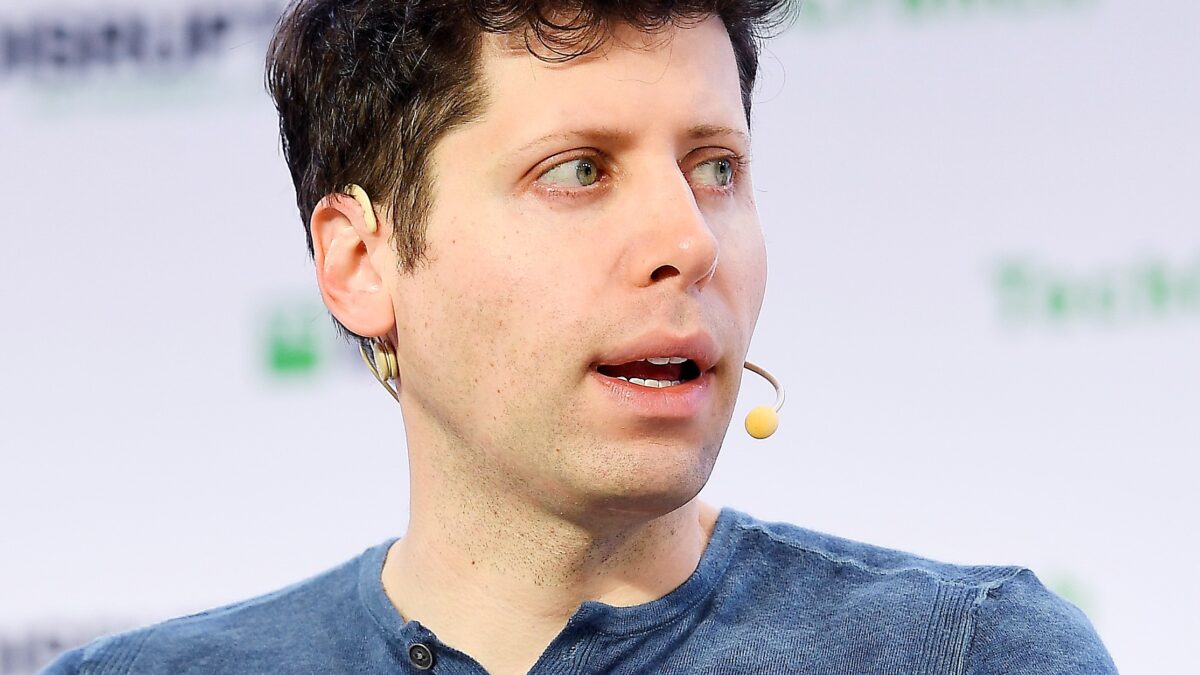
Three men racing to build the most powerful technology in history just published, within 48 hours of each other, strikingly similar pitches for who should get to rein them in — and radically different opinions on whether that referee should sit inside one federal agency or across fifty separate state capitols. If Sam Altman, Dario Amodei, and Demis Hassabis actually agree on the first part, you’d expect a law by now — so why doesn’t one exist?
On July 16, 2026, Axios’s “Behind the Curtain” column laid out something new: for the first time, the CEOs of OpenAI, Anthropic, and Google DeepMind are on record, in writing, converging on the same diagnosis. Frontier AI models — the biggest, most capable systems each company builds — should face outside scrutiny before they ever reach the public. That’s a real break from the old standard, which let AI labs grade their own homework. All three men now say some outside body needs to set standards, certify compliance, and have the power to limit access to systems judged too dangerous.
The Rare Consensus: All Three Want Outside Scrutiny
For years the industry line was “trust us” — internal safety teams, voluntary pledges, the occasional red-team report published on a quiet Friday. That consensus quietly cracked this month. In their own words, all three CEOs now describe frontier models as capable of things a self-graded homework system can’t be trusted to catch: dangerous cyber capabilities, bioweapon uplift, deception. And all three say the fix isn’t a stronger internal review process — it’s an outside referee with actual teeth.
What’s genuinely rare here isn’t that AI executives want regulation — plenty of tech leaders say that for optics, then quietly lobby against anything with real force. It’s that three direct competitors, mid-race, published near-identical diagnoses in the same news cycle, without any visible coordination between them. That kind of alignment usually only shows up when the underlying risk — or the political pressure bearing down on all three at once — has gotten too big to spin away.
What They Actually Agree On
Strip away the branding and each proposal borrows from a regulator most people have already heard of. Dario Amodei wants what he’s called an “FAA for AI” — a federal agency with the power to block a model’s release from day one, no appeal process required beforehand. He laid out the case in a June 2026 policy essay arguing the U.S. government should hold direct legal authority to block or reverse the release of any frontier model that fails independent safety testing.
Demis Hassabis, in a manifesto published July 15, 2026, proposed something closer to Wall Street’s FINRA: an industry-funded, majority-independent standards body — stacked with Turing Award winners alongside industry, government, and open-source representatives — that starts by reviewing models voluntarily, up to 30 days before release, and could harden into a mandatory gate once the testing regime proves itself “effective and robust.” He wants it operating before the end of 2026.
Sam Altman, writing in the Financial Times, pitched an “IAEA for AI” — a U.S.-led international forum that certifies countries, companies, and safety standards, using access to frontier models and to American markets as the leverage that gets other governments to fall in line.
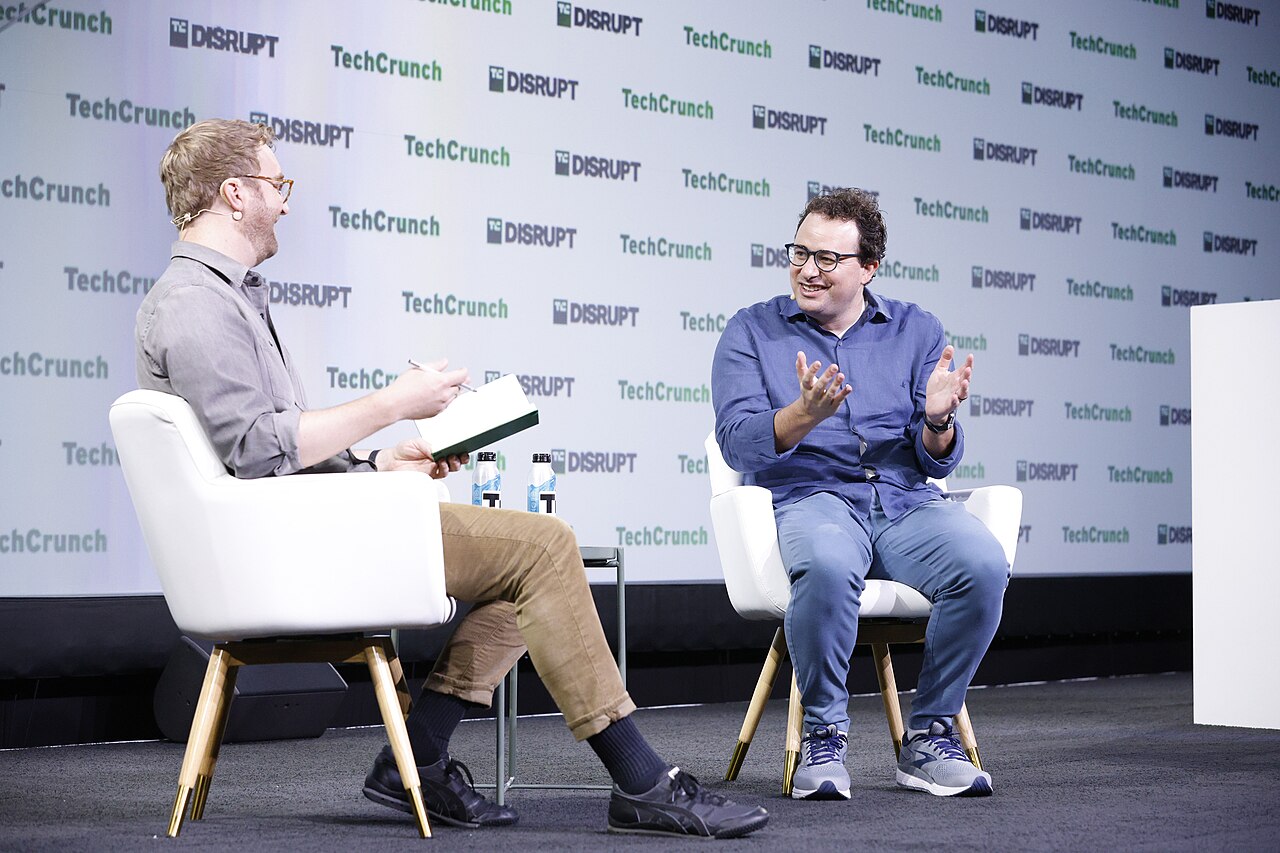
Here’s the detail that’s easy to miss: all three explicitly want the United States — not a patchwork of state regulators, and not a rival framework written in Brussels or Beijing — setting the terms for whichever body eventually wins out. That part isn’t an accident. Whoever writes the first real rulebook effectively exports it to every company that wants access to the biggest AI market on Earth. Agreeing on that much is the easy part. It’s the “which U.S. body, run by whom, empowered how” question that’s about to get genuinely ugly.
Where It Breaks Down: Anthropic Backs State Laws, OpenAI Wants Federal Preemption
Here’s the honest part: the consensus above is real, but it evaporates the moment you ask “regulated by whom, starting when?” Anthropic has spent the past two years quietly endorsing state bills that OpenAI would rather see wiped off the map entirely — California’s SB 1047, New York’s RAISE Act, Illinois’s S.B. 315 among them. Amodei’s stated position is that Congress can preempt those state laws only after it passes a federal framework at least as strong — not instead of passing one.
OpenAI, meanwhile, has spent over a year aligned with a very different push. The Trump administration tried twice to attach a nationwide moratorium on state AI laws to must-pass legislation — first inside the “One Big Beautiful Bill Act” (the Senate stripped it out, 99-1, in July 2025), then inside the FY2026 defense authorization bill, where that attempt also failed. In June 2026, a 269-page bipartisan discussion draft — the “Great American AI Act,” from Reps. Jay Obernolte and Lori Trahan — proposed freezing new state AI development laws for three years, while requiring semi-annual federal audits of OpenAI, Anthropic, xAI, and Google DeepMind.
To be fair, OpenAI has recently floated softer language too, discussing a “reverse federalism” approach that builds federal rules on top of existing state laws like Illinois’s rather than erasing them outright. But the throughline holds: Anthropic wants states free to keep legislating until Washington matches them; OpenAI wants Washington to freeze the states until it catches up.
If you want the receipts on how these same three labs actually stack up on safety once you strip away the press releases, our breakdown of the 2026 AI Safety Index ranks them side by side — and the results don’t flatter everyone equally.
The stakes here aren’t only philosophical, either — Anthropic’s rise past OpenAI in revenue this year has quietly reshuffled who has leverage in Washington, and neither company is negotiating from the position it held twelve months ago.
Why This Fight Matters More Than It Sounds
It’s tempting to file “state versus federal” under bureaucratic noise. It isn’t. Whoever wins that argument controls the actual pace of any real rule. A federal preemption bill that freezes states for three years without a finished federal framework to replace them doesn’t create stricter oversight — it creates a three-year gap where almost nothing binding applies while frontier models keep shipping anyway. A world where states keep legislating moves faster, just messier and less uniform from one state line to the next.
There’s also a reason to watch this fight closely beyond the regulation itself: these are the same companies currently defending themselves in court over how their models got built and deployed in the first place. OpenAI’s other legal fights, including a sanctions motion in its ongoing New York Times lawsuit, are unfolding in the very same months these CEOs are publishing oversight manifestos — which makes the “trust us to self-police, but please also regulate us” pitch a little harder to take entirely at face value.
Maybe that’s the real takeaway here. When three rivals racing toward the same finish line all suddenly agree they need a referee, it’s worth asking whether they’re bracing for a rulebook they expect to lose control of — or trying to write it themselves before anyone else gets to hold the pen.
Deixe um comentário