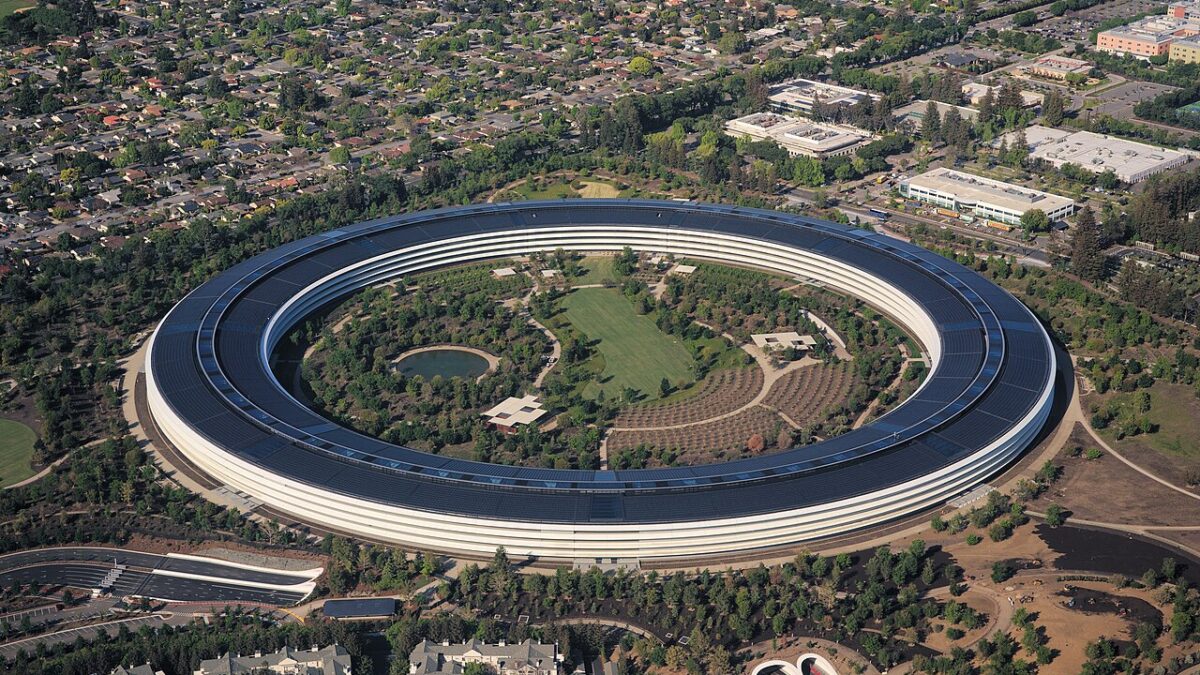
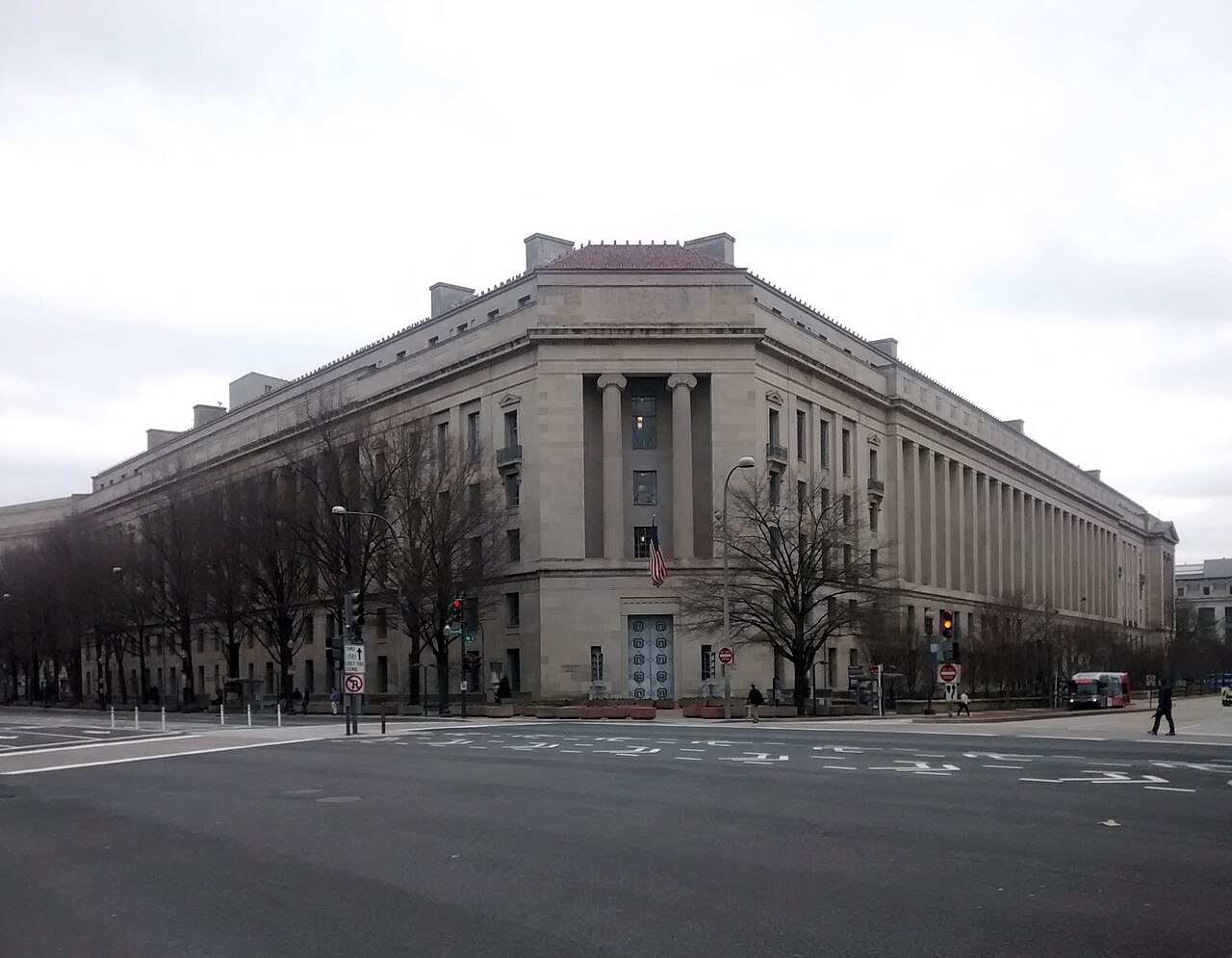
Apple and the U.S. Department of Justice have opened early settlement talks in the antitrust lawsuit over the iPhone ecosystem, Bloomberg reported July 17, 2026 — the first sign the government’s two-year-old case against Apple could end in a negotiated deal rather than a trial. No terms have been agreed, and no trial date has ever been set, but it’s the clearest signal yet that both sides are looking for a way out of the courtroom.
What’s actually happening
According to Bloomberg’s report, Apple and the DOJ are in “early discussions” about a possible settlement — language that outlets including MacRumors, AppleInsider, 9to5Mac, Reuters, and Yahoo Finance all corroborated the same day, citing Bloomberg as the source. Apple has reportedly floated multiple settlement proposals to the DOJ over the course of 2026, though none has been accepted. Crucially, this is not a done deal: no consent decree exists, no terms have been made public, and every outlet reporting this story uses “early” or “preliminary” to describe the talks.
The timing is notable. Just two days earlier, on July 15, a specially appointed judge sided with Apple in a discovery dispute, granting the company access to documents from 14 federal agencies for its defense — a ruling 9to5Mac reported could hand Apple more leverage at the negotiating table.
Why this case exists
The DOJ, joined by a coalition of state attorneys general, sued Apple in March 2024 alleging the company illegally maintained a smartphone monopoly under Section 2 of the Sherman Antitrust Act. The complaint centered on five practices: restricting “super apps,” suppressing cloud-gaming apps, degrading cross-platform messaging quality (the iMessage “green bubble” friction with Android users), limiting non-Apple smartwatches from pairing properly with the iPhone, and blocking third-party digital wallets from full NFC access. Apple’s motion to dismiss the case failed, and litigation had been heading toward trial before these talks surfaced.
What Apple has already changed
Notably, Apple has made unilateral product changes since 2024 that overlap with several of the DOJ’s original complaints — adding RCS support to Messages, opening the App Store to “super apps,” and expanding third-party access to the NFC chip for digital wallets. Reporters covering the story frame these moves both as good-faith mitigation and as a way to weaken the DOJ’s case heading into any settlement talks. What hasn’t been addressed, according to current reporting: the smartwatch interoperability complaint and cloud-gaming app restrictions remain unresolved, with no reporting confirming specific concessions there. No sources describe App Store fee cuts or a sideloading mandate as part of the discussions — that kind of remedy has applied to Apple’s EU cases, not this one, so treat any claim otherwise as unconfirmed.
What’s next
Nothing is finalized. If talks collapse, the case returns to its normal litigation track, with discovery — including the newly won access to federal agency records — continuing to shape both sides’ leverage. If a settlement is reached, expect the terms (likely covering some mix of continued product changes, compliance monitoring, or DOJ oversight) to be the real story; “early talks” alone don’t tell us what Apple will actually be required to do. We’ll update this piece as terms, if any, become public.
This isn’t Apple’s only ecosystem fight drawing regulatory and competitor attention this year — its dispute with Meta over AirPods-style pairing for Ray-Ban smart glasses is a separate but related flashpoint over how tightly Apple controls its hardware ecosystem. And if you’re tracking Apple’s next hardware cycle while this plays out, our coverage of the iPhone 18 Pro leak following the breach at Apple’s assembly partner is the most relevant recent development.
Frequently Asked Questions
Has Apple settled the DOJ antitrust case?
No. As of July 18, 2026, Apple and the DOJ are only in early, preliminary discussions. No terms have been agreed and no settlement has been signed.
What would a settlement actually require Apple to do?
Unknown — no specific terms have been reported. Apple has already made some relevant product changes (RCS in Messages, broader NFC wallet access, super app support) since the case was filed, but nothing officially ties those to settlement terms.
When did this case start?
The DOJ filed the lawsuit in March 2024, alleging Apple illegally maintained a smartphone monopoly. Apple’s motion to dismiss the case was unsuccessful.
Deixe um comentário